
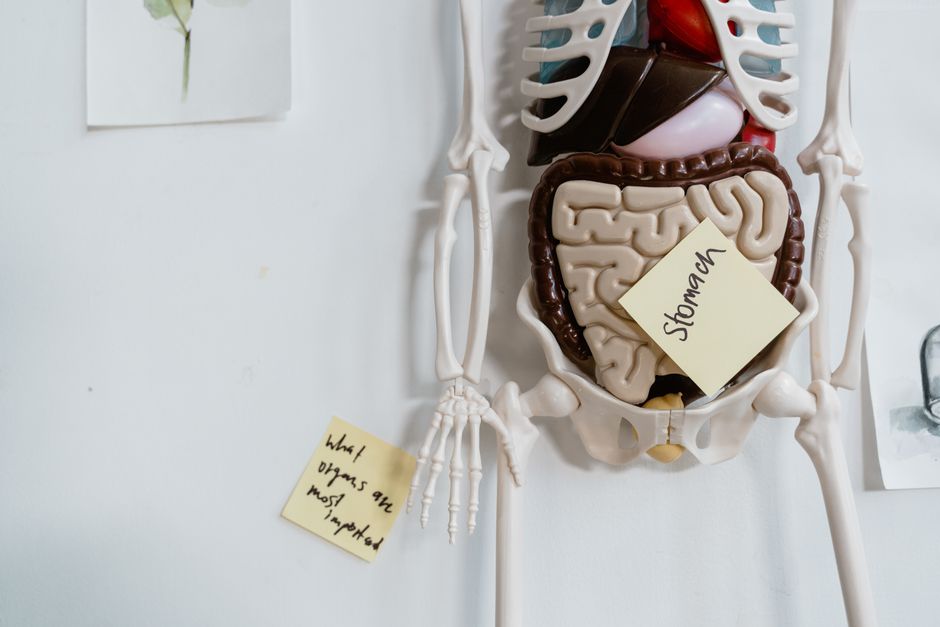
A rumbling stomach is usually the sound of gas and fluid moving through your digestive tract, not a sign that something is wrong. The medical term for these noises is borborygmi. They happen in everyone, all day and night, whether or not you feel hungry.
What most people notice is that rumbling gets louder when the stomach and intestines are empty. That is because there is less solid material to muffle the sound. The gut keeps moving either way.
What Is The Cause Of A Rumbling Stomach?
The cause is the normal movement of the digestive tract, called peristalsis. Muscular waves push food, liquid, and gas forward. When these waves squeeze past gas bubbles or a mix of fluid and air, the vibration creates sound.
The stomach and intestines are never truly still. Even between meals, a specific pattern of strong contractions sweeps through the gut. This is often called the migrating motor complex. It acts like a housekeeping cycle, clearing out leftover contents and bacteria. Those contractions are some of the loudest, which is why an empty stomach often rumbles the most.
Gas comes from two main places. You swallow air when you eat, drink, or even talk. Your gut bacteria also produce gas as they break down food that reaches the large intestine undigested. Both add to the bubbles that make noise as they move.
So a rumbling stomach is not a warning sign by itself. It is a sign that your digestive system is active. In most cases, that is exactly what you want.
Why Does My Stomach Rumple More When I Am Hungry?
Hunger and rumbling are linked, but not for the reason most people assume. Your stomach is not growling because it is empty and complaining. It is growling because hunger triggers the strong housekeeping contractions described above.
When you have not eaten for a few hours, the gut runs through its cleaning cycle. The contractions are powerful and move a lot of gas and fluid at once. With little solid food to absorb the sound, the noise carries. That is why the loudest rumbles often happen right before a meal.
The brain and gut are also in constant contact. Hormones and nerve signals tied to hunger can set off these contractions. So the timing is not a coincidence. Feeling hungry and hearing your stomach are two parts of the same process.
One thing worth clearing up: a rumbling stomach is not the same as a growling one caused by hunger pangs. Hunger pangs are a distinct sensation, often felt as a hollow or gnawing feeling in the upper belly. Rumbling is the sound. They often happen together, but they are not the same event.
Is A Rumbling Stomach Always Normal?
Most of the time, yes. Rumbling with no other symptoms is a normal part of digestion. It does not need treatment.
What matters is whether the sound comes with other signs. Rumbling on its own is rarely a concern. Rumbling plus pain, bloating, diarrhea, constipation, or weight loss is a different situation and worth discussing with a clinician.
Some patterns that deserve attention include:
- Rumbling that comes with severe or persistent abdominal pain
- Changes in bowel habits that last more than a few weeks
- Bloating that does not go away
- Unintentional weight loss
- Blood in the stool
These signs do not mean something is seriously wrong. They simply mean the sound is no longer the main issue, and a doctor should look at the whole picture. A single symptom rarely tells the full story.





What Makes A Rumbling Stomach Louder Or Quieter?
Several everyday factors change how much noise your gut makes. None of them are dangerous on their own.
The amount of gas in your gut is the biggest factor. Swallowing more air, eating foods that produce gas, or having food ferment in the large intestine all add bubbles. More bubbles mean more sound as they move.
What you eat matters too. Some carbohydrates are poorly absorbed in the small intestine and travel to the large intestine, where bacteria break them down and produce gas. These include certain fibers and sugars found in beans, some vegetables, and dairy for people who do not digest lactose well.
How fast your gut moves also plays a role. Faster movement tends to create more noise. Slower movement can trap gas and cause bloating instead.
Other factors include:
- Drinking through a straw or chewing gum, which increases swallowed air
- Carbonated drinks, which add gas directly
- Eating quickly or talking while eating
- Stress, which can change how the gut moves through nerve signals
Quiet guts are not necessarily healthier. Sometimes a lack of sound is the bigger concern, because it can mean the gut has stopped moving. That is a medical issue, not a sign of good digestion.
When Should A Rumbling Stomach Be Checked By A Doctor?
See a clinician if rumbling comes with symptoms that suggest the gut is not working normally. The sound by itself is not the reason to seek care. The company it keeps is.
Warning signs that warrant a medical visit include ongoing pain, persistent diarrhea or constipation, bloating that does not resolve, weight loss you did not intend, or blood in your stool. Fever, vomiting, or a belly that is swollen and tender are also reasons to get checked promptly.
One specific pattern is worth knowing. If the gut becomes blocked, it can first move faster and make more noise, then go quiet as it stops. A silent, swollen, painful abdomen is a medical emergency. This is uncommon, but it is the reason a sudden change from loud to silent, along with pain and swelling, should not be ignored.
For most people, though, a rumbling stomach is just background noise. It does not need a diagnosis or a treatment. It needs context, and the context is usually ordinary digestion.
Does A Rumbling Stomach Mean I Have A Digestive Problem?
No. Rumbling is not a diagnosis and does not point to a specific condition on its own. Many people with perfectly healthy digestion have loud guts. Many people with digestive conditions do not have loud guts at all.
Conditions like irritable bowel syndrome can involve changes in gut movement and gas, and some people with it notice more noise. But rumbling alone does not confirm or rule out any condition. Diagnosis depends on symptoms, history, and sometimes tests, not on sound.
This is where a lot of online claims fall short. Products marketed to “fix” a rumbling stomach rarely have evidence behind them. No study has confirmed that a supplement or diet reliably silences normal gut sounds. If your digestion is working, there is nothing to fix.
The useful question is not “how do I stop the noise.” It is “is anything else going on.” If the answer is no, the rumbling is just your body doing its job.
Frequently Asked Questions
What does a rumbling stomach mean?
It means gas and fluid are moving through your digestive tract as your gut contracts. It is a normal sign of active digestion, not a sign of a problem on its own.
Why is my stomach so loud when I am not hungry?
Your gut runs strong cleaning contractions between meals, and with less food to muffle the sound, the noise carries. Hunger is not required for these contractions to happen.
Can a rumbling stomach be a sign of something serious?
Rumbling alone is rarely serious, but it should be checked if it comes with pain, bloating, lasting changes in bowel habits, or weight loss. A sudden silent, swollen, painful abdomen is a medical emergency.
How do I stop my stomach from rumbling?
There is no reliable way to silence normal gut sounds, and no supplement has been shown to do it. If rumbling bothers you, eating regularly and limiting carbonated drinks and swallowed air may reduce it.
