
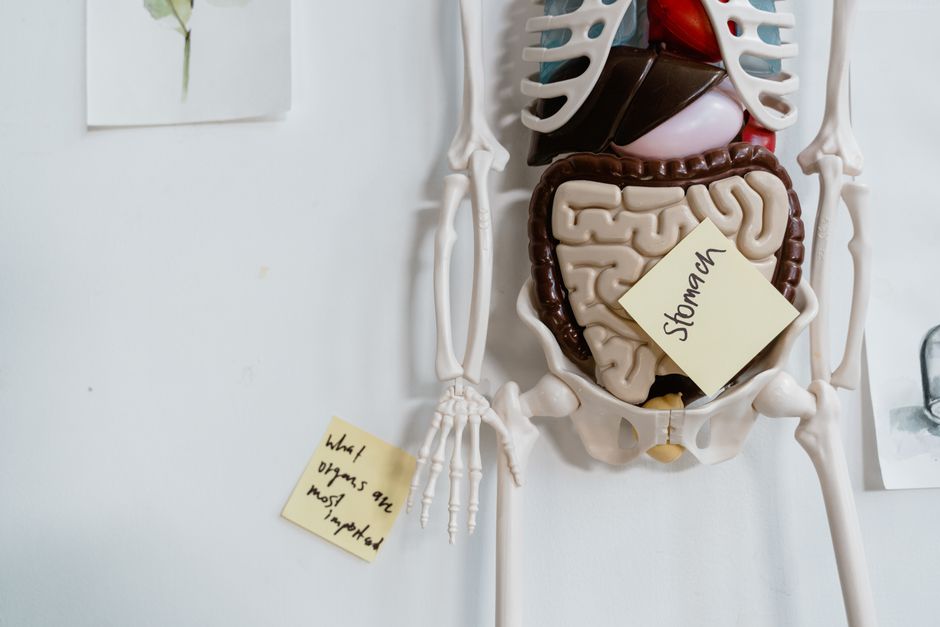
A stomach spasm is a sudden, involuntary tightening of the smooth muscle in your stomach wall. That muscle normally contracts in gentle, coordinated waves to mix food and move it along your digestive tract. When those contractions become sudden, forceful, or uncoordinated, you feel it as a cramp, a knot, or a sharp twisting sensation in your upper belly. Most spasms are temporary and tied to something you ate, a passing infection, or stress — but some point to a condition that needs medical care.
Why Is Your Stomach Spasming? What Is Actually Happening
Your stomach is a muscular sac. Its wall contains three layers of smooth muscle that contract in a controlled rhythm. This rhythm is managed by a network of nerve cells embedded in the gut wall, often called the enteric nervous system, along with signals from the vagus nerve and hormones.
A spasm happens when that control system gets disrupted. The muscle contracts harder or more often than it should, or the contractions lose their normal coordination. Instead of a smooth wave, you get a squeeze.
The gut has its own local nervous system that can run basic digestion without input from the brain. That is why spasms can happen without you doing anything to trigger them — the muscle and its local nerves are making decisions on their own.
This is also why stress and emotion can affect your stomach. The gut and brain are connected through the vagus nerve and a steady exchange of chemical signals. Emotional stress does not create a spasm out of nothing, but it can change how sensitive your gut is and how strongly it responds to normal triggers.
What Causes Stomach Spasms?
Most stomach spasms come from one of a handful of common triggers. The cause is not always obvious, and more than one factor can be involved at the same time.
- Gas and bloating. Trapped gas stretches the stomach and intestinal wall, which triggers reflexive contractions.
- Indigestion. Large, fatty, or spicy meals slow stomach emptying and increase muscle activity.
- Food intolerance. Lactose, fructose, and certain carbohydrates can cause cramping in people who do not digest them well.
- Stomach flu. Viral gastroenteritis inflames the stomach lining and disrupts normal muscle movement.
- Food poisoning. Bacterial toxins can cause sudden, severe cramping along with vomiting or diarrhea.
- Stress and anxiety. These change gut sensitivity and muscle response, especially in people with irritable bowel syndrome.
- Medications. Some antibiotics, anti-inflammatories, and other drugs irritate the stomach lining.
- Acid-related conditions. Gastritis and peptic ulcers can cause burning pain that is sometimes described as a spasm.
Less often, stomach spasms relate to gallstones, pancreatitis, or a blockage in the intestine. These conditions usually come with other signs that separate them from ordinary cramping.
Stomach Spasm vs. Something More Serious
Most stomach spasms pass within minutes to hours. The pain comes in waves, eases between them, and settles once the trigger clears.
Certain patterns are different. Pain that is constant and severe rather than wave-like deserves attention. So does pain that keeps you from standing straight, or that comes with a rigid, tender belly.
Watch for these signs, which point to a possible emergency:
- Pain that is severe, constant, and getting worse
- A belly that is hard, swollen, and tender to touch
- Vomiting blood or material that looks like coffee grounds
- Black, tarry stools or visible blood in stool
- Fever with intense abdominal pain
- Inability to pass gas or stool, especially with vomiting
- Pain that starts in the upper belly and spreads to the back or shoulder
These symptoms can signal a blockage, bleeding, pancreatitis, or another condition that needs urgent care. Do not wait to see if they pass.





How Are Stomach Spasms Treated?
Treatment depends entirely on the cause. There is no single remedy that works for every type of stomach spasm, and what helps one person may do nothing for another.
For spasms tied to gas, indigestion, or a passing infection, simple measures often help:
- Eat smaller meals and slow down
- Avoid the specific foods that seem to trigger symptoms
- Try a warm compress on the belly
- Stay hydrated, especially with vomiting or diarrhea
- Limit alcohol, caffeine, and fatty or very spicy foods until things settle
Some over-the-counter products target gas or acid. Simethicone is used for gas. Antacids neutralize stomach acid. These may ease symptoms but do not address every cause of spasm.
For people with irritable bowel syndrome or other functional gut disorders, doctors sometimes prescribe antispasmodic medications that relax gut muscle. These are not appropriate for everyone, and they work better for some people than others. Peppermint oil has been studied for IBS-related cramping, and some evidence supports it, though results vary and it can worsen reflux in some people.
If an underlying condition like an ulcer, infection, or gallstones is found, treating that condition is what resolves the spasms.
When Should You See a Doctor?
See a doctor if stomach spasms keep coming back, last more than a few days, or interfere with eating or daily life. Recurring pain is a reason to look for a cause, not to keep waiting it out.
Also seek care if you notice:
- Unintended weight loss
- Persistent vomiting
- Blood in vomit or stool
- Pain that wakes you from sleep
- Pain that is worse after eating, every time
- Difficulty swallowing
These signs do not confirm a specific diagnosis on their own. Many conditions can produce similar symptoms, and only a doctor can sort out which one applies to you.
Can Stress Really Cause Stomach Spasms?
Yes, stress can contribute to stomach spasms, though it usually works alongside other factors rather than alone. The gut and brain communicate constantly through the vagus nerve and hormone signals. Stress can make the gut more sensitive and change how its muscles respond.
This connection is well documented in irritable bowel syndrome, where stress often worsens symptoms. It does not mean the symptoms are imagined. The muscle activity and the discomfort are real.
Managing stress may reduce how often spasms happen for some people, but it is rarely the whole answer. If pain is severe or persistent, stress management alone is not a substitute for medical evaluation.
Does Diet Play a Role?
Diet is one of the most common triggers, and it is often the easiest to adjust. Certain foods are more likely to cause trouble than others, but the specific triggers vary from person to person.
Common culprits include:
- High-fat and fried foods, which slow stomach emptying
- Carbonated drinks, which add gas
- Beans, broccoli, and other gas-producing foods
- Dairy, in people who do not digest lactose well
- Artificial sweeteners like sorbitol and mannitol
- Large amounts of caffeine or alcohol
A food and symptom diary can help you spot patterns. It is not a diagnosis, but it can give you and your doctor useful information. Cutting out entire food groups without guidance can lead to nutritional gaps, so it is worth talking through any major changes.
What About IBS and Other Gut Conditions?
Irritable bowel syndrome is one of the most common conditions linked to recurring stomach and intestinal spasms. It affects how the gut moves and how sensitive it is to normal signals. People with IBS often describe cramping that eases after a bowel movement.
Other conditions that can cause similar symptoms include gastritis, peptic ulcer disease, gallstones, and inflammatory bowel diseases like Crohn’s disease and ulcerative colitis. These are different conditions with different treatments, and they can overlap in how they feel.
Because the symptoms can look alike, a doctor may need tests to tell them apart. That is normal and not a sign that anything is being missed.
Frequently Asked Questions
Why is my stomach spasming?
Most stomach spasms come from gas, indigestion, a mild infection, food intolerance, or stress. If spasms keep returning or come with severe pain, bleeding, or vomiting, a doctor should look for an underlying cause.
How long do stomach spasms usually last?
Most spasms from gas, indigestion, or a passing infection ease within minutes to hours. Pain that lasts more than a few days or keeps coming back is a reason to see a doctor.
When should I worry about stomach spasms?
Worry when pain is severe and constant, your belly is hard and tender, or you see blood in vomit or stool. Fever with intense pain, or being unable to pass gas or stool, also needs urgent care.
Can stress cause stomach spasms?
Stress can contribute to stomach spasms by making the gut more sensitive and changing how its muscles respond. It usually works alongside other triggers rather than on its own.
