

That dull ache, sharp stab, or heavy pressure that shows up within minutes of eating is your digestive system telling you something. Stomach pain after eating is extremely common, and the causes range from harmless trapped gas to conditions that need medical care. The location, timing, and type of pain usually point toward the reason.
Most post-meal stomach pain falls into a few broad groups: gas and bloating, acid-related irritation, food intolerances, infections, and more serious conditions like ulcers or gallbladder disease. Paying attention to when the pain starts and where it sits is the fastest way to narrow down what is going on.
Why Does My Stomach Hurt After I Eat Causes Explained?
Pain that arrives right after a meal usually means the problem is happening in the upper digestive tract — the stomach, the first part of the small intestine, the gallbladder, or the pancreas. Each of these organs responds to food in a specific way, and each produces a somewhat different pattern of discomfort.
The stomach stretches as it fills. Its walls release acid and enzymes. The gallbladder squeezes out bile to help digest fat. The pancreas releases digestive enzymes. If any part of that chain is inflamed, blocked, or irritated, eating triggers pain.
Here are the most common causes and how they tend to behave:
- Gas and bloating — pressure and fullness that builds during or shortly after eating, often relieved by passing gas or burping.
- Indigestion (dyspepsia) — burning or heaviness in the upper belly, sometimes with nausea.
- Acid reflux (GERD) — burning that rises behind the breastbone, worse after large or fatty meals or when lying down.
- Peptic ulcers — gnawing or burning pain in the upper abdomen that can worsen or improve with food, depending on where the ulcer is.
- Gallbladder problems — steady, intense pain in the upper right abdomen, often within an hour of a fatty meal.
- Food intolerance — cramps, gas, and diarrhea after specific foods like dairy or certain carbohydrates.
- Food poisoning or infection — cramping, nausea, vomiting, and diarrhea that start hours after eating.
- Irritable bowel syndrome (IBS) — cramping and changes in bowel habits, often triggered by meals.
Less common but serious causes include pancreatitis, bowel obstruction, and inflammatory bowel disease. These usually come with other warning signs, which are covered below.
What Does the Location and Timing of the Pain Tell You?
Where the pain sits and when it starts are two of the most useful clues a doctor uses. The pattern often points toward one organ over another.
Upper-middle pain that comes on during a meal or right after tends to point toward the stomach or the first part of the small intestine. Pain that peaks about 15 to 30 minutes after eating is a classic pattern for a stomach ulcer. Pain that shows up two to three hours after eating, when the stomach is empty, is more typical of a duodenal ulcer. That timing difference is well established in clinical practice.
Upper-right pain, especially after a fatty meal, points toward the gallbladder. It often builds steadily over 30 to 60 minutes and can last for hours. Pain that radiates to the back may suggest the pancreas.
Lower abdominal cramping that comes with gas, bloating, or a change in bowel habits more often points toward the intestines, food intolerance, or IBS.
A burning sensation behind the breastbone that worsens when you lie down is the hallmark of acid reflux.
No single symptom proves a diagnosis. Doctors combine the pattern with an exam, lab work, and sometimes imaging. But the location and timing give a strong starting point.
Could It Be a Food Intolerance or Allergy?
Food intolerances are a common reason for stomach pain after eating, and they are often confused with food allergies. The two are different in important ways.
A food intolerance means your body has trouble digesting a specific food. Lactose intolerance is the best-known example. People with it lack enough of the enzyme lactase, so undigested lactose ferments in the gut, causing gas, cramping, and diarrhea. Symptoms usually start within 30 minutes to two hours of eating dairy.
Other common intolerances involve certain fermentable carbohydrates found in foods like beans, onions, and wheat. These can trigger bloating and cramping in people with IBS.
A true food allergy involves the immune system and can be dangerous. Symptoms can include hives, swelling, trouble breathing, and a drop in blood pressure, in addition to stomach upset. Reactions can happen within minutes. Food allergies affect a smaller share of adults than intolerances do.
If you suspect a food is the trigger, a symptom and food diary can help you and your doctor spot patterns. Do not cut out major food groups on your own without guidance, since that can lead to nutrient gaps.
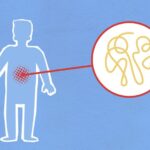




When Is Stomach Pain After Eating a Medical Emergency?
Most post-meal stomach pain is not an emergency. Some signs mean you should get medical help right away.
Seek urgent care if you have:
- Severe pain that comes on suddenly and does not let up
- Pain with a rigid, tender, or swollen belly
- Vomiting blood or material that looks like coffee grounds
- Black, tarry stools or blood in the stool
- Pain with a high fever
- Yellowing of the skin or eyes
- Trouble breathing or chest pain
- Pain that spreads to the shoulder, neck, or back
Chest pain or pain that spreads to the arm, jaw, or shoulder should never be assumed to be a stomach problem. Heart attacks can cause upper abdominal discomfort, especially in women and older adults. When in doubt, call emergency services.
Persistent pain that lasts more than a few days, wakes you at night, or comes with weight loss also deserves a medical visit. These are not signs to manage at home.
How Do Doctors Figure Out the Cause?
Doctors start with a detailed history — what you ate, when the pain started, where it sits, and what makes it better or worse. That history often narrows the list of possible causes before any test is done.
Depending on the clues, tests may include:
- Blood tests to check for infection, inflammation, anemia, or organ problems
- Stool tests to look for infection or blood
- An upper endoscopy, where a thin tube with a camera looks at the stomach and upper intestine
- An ultrasound to examine the gallbladder and surrounding organs
- Breath tests for conditions like lactose intolerance or certain bacterial infections
- An elimination diet guided by a doctor or dietitian
The right test depends on the suspected cause. Not everyone needs every test. A doctor weighs the pattern of symptoms before deciding what to order.
What Can You Do About It?
What helps depends on the cause, so the first step is often figuring out the trigger. Some general habits support comfortable digestion for many people, though none of them treat a specific condition.
Eating smaller meals more slowly can reduce pressure and acid production. Limiting very fatty or very spicy foods may help if those are triggers for you. Staying upright for a while after eating can ease reflux. Cutting back on alcohol and caffeine helps some people with reflux and indigestion.
If a specific food reliably causes symptoms, avoiding it — or the amount that triggers you — can make a difference. Keeping a simple food and symptom log makes patterns easier to see.
For ongoing or severe symptoms, treatment is cause-specific. Acid-related problems may be treated with acid-reducing medications. Ulcers caused by a bacterial infection are treated with antibiotics plus acid suppression. Gallbladder disease may require surgery. These decisions belong with a doctor, not a self-care plan.
Over-the-counter antacids can ease mild, occasional discomfort, but they do not fix the underlying cause. If you find yourself reaching for them often, that is a reason to see a doctor.
Does Stress Play a Role?
Stress does not cause ulcers on its own, but it clearly affects digestion. The gut and brain are connected through a dense network of nerves, often called the gut-brain axis. Stress can change how the gut moves, increase sensitivity to pain, and worsen conditions like IBS and indigestion.
That does not mean the pain is “all in your head.” The discomfort is real. It means emotional and physical factors can feed each other. Managing stress — through sleep, activity, and relaxation practices — can reduce symptoms for some people, though it is not a substitute for treating a specific medical cause.
Frequently Asked Questions
Why does my stomach hurt right after I eat?
Pain right after eating usually points to the upper digestive tract, such as the stomach, gallbladder, or pancreas. Gas, indigestion, reflux, and ulcers are among the most common causes.
How can I tell if it is my gallbladder or my stomach?
Gallbladder pain tends to sit in the upper right abdomen and comes on after fatty meals, while stomach pain is usually centered higher and more in the middle. Only a doctor can confirm which organ is involved.
When should I worry about stomach pain after eating?
Get urgent care for sudden severe pain, a rigid or swollen belly, vomiting blood, black stools, fever, or yellowing of the skin or eyes. These can signal a serious problem that needs prompt treatment.
Can stress cause stomach pain after eating?
Stress can change how the gut moves and increase pain sensitivity, and it can worsen conditions like IBS and indigestion. It does not cause ulcers by itself, but it can make existing symptoms feel worse.
