
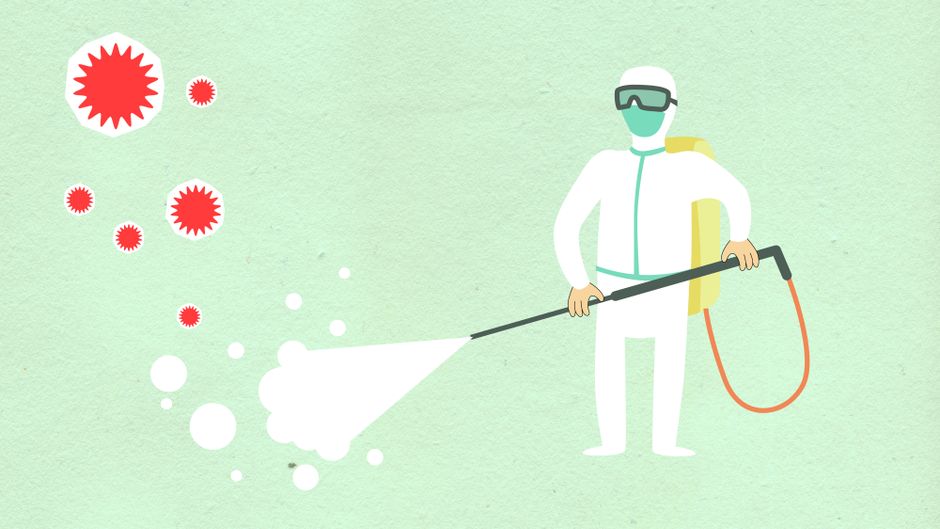
Pathogenic contamination is the presence of harmful microorganisms—bacteria, viruses, fungi, or parasites—in places where they do not belong, such as food, water, or medical equipment. The best way to reduce it is to break the chain of transmission using a layered approach: hand hygiene, proper cooking temperatures, correct food storage, and surface disinfection. No single method works alone, but combining these evidence-based practices consistently reduces the risk of illness by a wide margin.
What Is The Best Way To Reduce Pathogenic Contamination?
The most effective single action is proper handwashing with soap and water. Studies consistently show that washing hands for at least 20 seconds removes a substantial number of pathogens and significantly lowers the spread of infectious disease. This is the foundation that all other methods build on.
But hand hygiene alone is not enough. Foodborne pathogens survive on surfaces, in undercooked food, and in contaminated water. The complete answer involves four layers: clean, separate, cook, and chill. These four steps, promoted by public health agencies for decades, address the main routes of contamination in a home kitchen.
Why Does Handwashing Matter So Much?
Your hands touch everything. Raw meat, door handles, phones, and your face. Each touch transfers microscopic organisms. Fecal-oral transmission—where pathogens from stool reach the mouth—is one of the most common routes for foodborne illness, and hands are the vehicle.
Soap does not kill pathogens. It lifts them off the skin, and running water carries them away. The mechanical action of rubbing your hands together for 20 seconds is what dislodges the organisms. Alcohol-based sanitizers work differently. They denature the proteins in pathogens, inactivating them. Sanitizers are effective against most bacteria and enveloped viruses, but they do not remove dirt or chemicals, and they are less effective against certain non-enveloped viruses like norovirus.
Wet hands, add soap, scrub all surfaces including the backs of hands and under nails, rinse, and dry with a clean towel. Handwashing is the single most cost-effective public health intervention known.
How Does Cooking Temperature Eliminate Pathogens?
Heat denatures the proteins that pathogens need to survive and reproduce. When internal temperature reaches the lethal point for a specific organism, it dies. This is why using a food thermometer matters more than visual cues like color or juice clarity.
The USDA recommends the following minimum internal temperatures:
- Whole cuts of beef, pork, veal, and lamb: 145°F (63°C) with a three-minute rest time
- Ground meats: 160°F (71°C)
- Poultry (whole and ground): 165°F (74°C)
- Egg dishes: 160°F (71°C)
- Fish: 145°F (63°C)
These temperatures are not arbitrary. They are based on the thermal death points of the most common pathogens found in each food type. Salmonella, for example, is killed instantly at 165°F. E. coli is destroyed at 160°F. Cooking to these temperatures ensures a margin of safety even if the food is contaminated.
Rest time matters. After removing meat from heat, the internal temperature continues to rise for several minutes. This carryover cooking kills remaining pathogens. The three-minute rest for whole cuts is part of the safety standard, not just a flavor preference.



What Role Does Cross-Contamination Play?
Cross-contamination is the transfer of pathogens from a contaminated source to a clean surface or food. It happens when raw meat juice drips onto ready-to-eat food, when the same cutting board is used for chicken and then vegetables, or when a knife is wiped with a cloth and used again.
This route bypasses cooking entirely. The vegetables may never be heated, so any pathogen transferred to them survives. Public health data consistently identifies cross-contamination as a leading cause of home kitchen foodborne illness.
Prevention requires physical separation:
- Use separate cutting boards for raw meat and produce. Color-coded boards help.
- Wash knives, tongs, and utensils with hot soapy water after contact with raw meat.
- Do not rinse raw poultry. Rinsing splashes droplets up to three feet, spreading pathogens across the sink and counter.
- Store raw meat on the bottom shelf of the refrigerator so juices cannot drip onto other foods.
How Does Temperature Control Stop Pathogen Growth?
Pathogens multiply fastest in the temperature danger zone: between 40°F (4°C) and 140°F (60°C). At room temperature, a single bacterium can divide every 20 minutes. In two hours, one bacterium becomes 64. In four hours, it becomes over 4,000.
Refrigeration slows this growth dramatically. Most pathogens do not die in the refrigerator, but their reproduction rate drops to near zero. Freezing at 0°F (-18°C) stops growth entirely, but it does not kill pathogens. When food thaws, surviving organisms resume multiplying.
The two-hour rule is the standard: perishable food should not sit at room temperature for more than two hours. In a hot environment—above 90°F (32°C)—that window drops to one hour. This rule exists because it takes roughly two hours for pathogen populations to reach levels capable of causing illness in most healthy adults.
Leftovers should be refrigerated within two hours, in shallow containers so they cool quickly. A large pot of soup in a deep container can stay in the danger zone for hours even inside the refrigerator. Dividing it into smaller containers speeds cooling.
Which Disinfectants Actually Kill Pathogens?
Not all cleaning products kill pathogens. Soap and water remove dirt and some microorganisms, but they do not reliably disinfect. Disinfectants are regulated products that must meet specific efficacy standards against target organisms.
Common effective disinfectants include:
- Diluted bleach (sodium hypochlorite) — 1 tablespoon per gallon of water for food contact surfaces
- 70% isopropyl alcohol
- EPA-registered disinfectant wipes and sprays
- Hydrogen peroxide solutions
Contact time matters. Disinfectants do not work instantly. Most require the surface to remain visibly wet for a specific period—often 30 seconds to several minutes—to achieve full efficacy. Wiping a surface dry immediately after spraying reduces effectiveness.
Important distinction: disinfectants are not safe for direct food contact. Surfaces must be rinsed with water after disinfection if they will touch food. Produce should never be washed with bleach or soap. Running water and gentle scrubbing remain the only recommended method for produce.
Is Produce Washing Effective?
Washing produce under running water removes dirt, some pesticide residue, and a portion of surface pathogens. It does not eliminate all microorganisms. Pathogens can hide in crevices, stems, and the porous surfaces of certain foods.
Firm produce like apples and potatoes should be scrubbed with a clean brush. Leafy greens should be rinsed leaf by leaf when possible. The FDA advises against using soap, detergent, or commercial produce washes on fruits and vegetables, as residues can remain and cause illness.
Even with thorough washing, some pathogens resist removal. This is why cooking remains the only method that reliably eliminates pathogens from food. If you are immunocompromised, pregnant, or elderly, consider cooking all produce that can be cooked.
Does the Evidence Support These Methods?
Yes. These recommendations are not marketing claims. They come from decades of food safety research and are codified in the Food and Drug Administration Food Code and USDA guidelines. Outbreak investigations consistently trace illness back to failures in one or more of these steps—undercooked meat, cross-contamination, improper storage, or poor hand hygiene.
The evidence is strongest for hand hygiene and cooking temperatures. Studies have demonstrated that handwashing reduces diarrheal illness by up to 40%. Cooking to recommended internal temperatures is mathematically verified by thermal death kinetics. The two-hour rule is based on pathogen growth curves.
Disinfectant efficacy is tested and regulated. EPA-registered products must demonstrate a specific log reduction—meaning a 99.9% or greater reduction—of target pathogens in controlled laboratory conditions before they can be sold.
What the evidence does not support: vinegar, lemon juice, or other acidic solutions as disinfectants. These have minimal antimicrobial activity and are not registered as disinfectants. Similarly, “natural” cleaning products without EPA registration have no verified efficacy against pathogens.
Who Is at Highest Risk?
Healthy adults typically recover from foodborne illness without medical intervention. But certain groups face much higher risk of severe outcomes:
- Pregnant women — Listeria can cross the placenta and cause miscarriage or severe newborn infection
- Older adults — immune response weakens with age
- Young children — immune systems are still developing
- Immunocompromised individuals — cancer patients, transplant recipients, people with HIV
For these groups, the margin for error is smaller. Undercooked meat that causes mild illness in a healthy adult can be life-threatening in someone with a compromised immune system. High-risk individuals should avoid raw or undercooked meat, unpasteurized dairy, and raw sprouts—a food that has been repeatedly linked to outbreaks because pathogens can grow inside the seed.
What About Water Contamination?
Municipal water in the United States is treated and monitored, making waterborne illness rare. But private wells, natural water sources, and travel to countries with less developed water treatment infrastructure carry real risk.
Boiling water is the most reliable method for killing pathogens. Water should be brought to a rolling boil for at least one minute. At altitudes above 6,500 feet, boil for three minutes because water boils at a lower temperature there.
Water filters vary widely. Some remove bacteria and parasites, others only improve taste. Look for filters with a pore size of 1 micron or smaller for pathogen removal, or those certified against NSF/ANSI Standard 53 or 58 for cyst removal. Ultraviolet light systems are effective against most microorganisms but require clear water and electricity.
Frequently Asked Questions
How long should I wash my hands to remove pathogens?
Wash with soap and water for at least 20 seconds, which is roughly the time it takes to sing “Happy Birthday” twice. This duration is based on studies showing it removes the most pathogens from hands.
Does rinsing chicken with water remove bacteria?
No. Rinsing chicken does not remove bacteria and actually spreads them across your sink and counter through splashing. Cooking chicken to 165°F (74°C) is the only way to ensure pathogens are destroyed.
Is it safe to eat leftovers after five days?
Refrigerated leftovers should be eaten within three to four days. After that, pathogen levels may reach unsafe levels even though the food looks and smells fine.
Can vinegar kill bacteria on cutting boards?
Vinegar has minimal antimicrobial activity and is not a registered disinfectant. Use diluted bleach or an EPA-registered disinfectant for cutting boards that have touched raw meat.
