
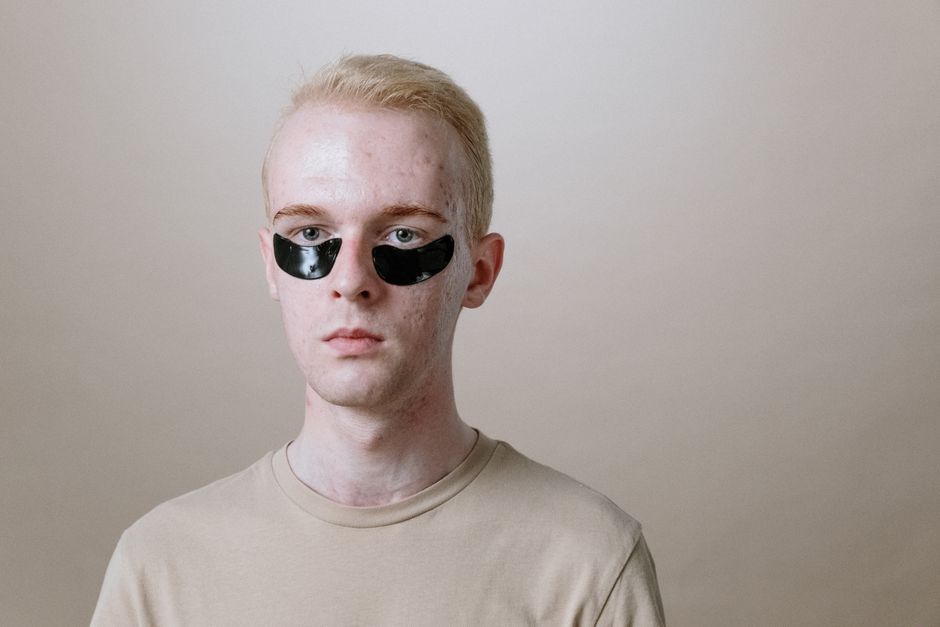
Acne scars are permanent changes to the skin’s structure, and no cream or home remedy can erase them. The treatments with the strongest evidence are procedures performed in a clinic: fractional laser resurfacing, microneedling, chemical peels, subcision, and injectable fillers. Which one is best depends on the type of scar you have, your skin tone, and how much downtime you can accept.
What Is The Best Treatment For Acne Scars?
There is no single best treatment. The right choice depends on what kind of scar you have, because different scars form in different layers of skin and respond to different procedures.
Dermatologists generally sort acne scars into three groups:
- Atrophic scars sit below the surface. This includes icepick scars (narrow and deep), boxcar scars (round with sharp edges), and rolling scars (wider, with a wavy texture). These are the most common type.
- Hypertrophic scars are raised and firm. They happen when the skin produces too much collagen during healing, and they are more common on the chest, back, and jawline.
- Post-inflammatory hyperpigmentation is not a true scar. It is a flat mark left by inflammation. It fades on its own over months, though it can take longer in darker skin tones.
That last distinction matters more than most people realize. A large share of what people call “acne scars” is actually pigmentation or redness that will improve with time and topical treatment. True textural scars will not. If you are not sure which you have, a dermatologist can tell the difference in a short exam, and that changes the entire treatment plan.
Which Procedures Have the Strongest Evidence?
Fractional laser resurfacing has the most consistent evidence for atrophic acne scars. It works by creating thousands of tiny columns of controlled injury in the skin, which triggers collagen remodeling over the following months. Ablative lasers remove the top layer of skin and tend to produce more dramatic results with longer recovery. Non-ablative lasers are gentler and usually require more sessions.
Microneedling uses fine needles to create similar micro-injuries without heat. It has good evidence for rolling and boxcar scars and a lower risk profile than lasers, especially for people with darker skin tones. Radiofrequency microneedling adds heat energy through the needles, which may improve results for some scar types, though head-to-head comparisons with standard microneedling are limited.
Chemical peels range from superficial to deep. Superficial peels mainly help with pigmentation and surface texture. Medium and deep peels can improve shallow atrophic scars, but deep peels carry more risk of pigment changes and require real recovery time.
Subcision is a minor surgical technique in which a needle is inserted under the scar to cut the fibrous bands pulling the skin down. It is particularly effective for rolling scars, and it is often combined with fillers or microneedling rather than used alone.
Injectable fillers, usually hyaluronic acid, can temporarily lift depressed scars. Results last months, not permanently, and repeat treatments are needed.
One thing worth knowing: most dermatologists combine treatments rather than relying on one. Scars of different types often sit side by side on the same cheek, and a single procedure rarely addresses all of them.
How Do These Treatments Compare?
| Treatment | Best For | Typical Downtime | Results |
|---|---|---|---|
| Fractional laser | Mixed atrophic scars | Several days to 2 weeks | Gradual, over months |
| Microneedling | Rolling and boxcar scars | 1 to 3 days | Gradual, multiple sessions |
| Chemical peel | Pigmentation, shallow scars | Days to 2 weeks | Varies by depth |
| Subcision | Rolling scars | A few days of bruising | Often combined with other methods |
| Fillers | Depressed scars | Minimal | Temporary, months |
Downtime estimates vary widely between individuals and between specific devices, so treat any timeline as a general range rather than a promise.





Can Creams and Serums Remove Acne Scars?
No topical product removes a true scar. This is one of the most persistent myths in skincare, and it costs people a lot of money.
Scars are structural. Collagen has been lost or rearranged in a way that changes the surface of the skin. A cream sits on the surface. It cannot rebuild that structure.
What topicals can do is help with pigmentation and redness, and support the skin while it heals. Ingredients with reasonable evidence for fading post-inflammatory hyperpigmentation include:
- Retinoids, which speed cell turnover
- Vitamin C, which interferes with excess pigment production
- Azelaic acid, which is used for pigmentation and is generally well tolerated
- Sunscreen, which prevents dark marks from getting darker
Sunscreen deserves special mention. UV exposure darkens post-inflammatory hyperpigmentation and can undo months of progress. Daily broad-spectrum sunscreen is one of the few things that reliably helps, and it is not optional if you are treating pigmentation.
Products marketed as scar removers without clinical evidence should be treated with skepticism. If a label promises to erase scars, that claim is not supported.
Does Skin Tone Affect Which Treatment Is Safe?
Yes, and this is a real safety issue rather than a minor detail. People with darker skin tones have a higher risk of post-inflammatory hyperpigmentation and, in some cases, hypopigmentation after procedures that use heat or remove the top layer of skin.
Ablative lasers and deep peels carry the highest risk. Microneedling and non-ablative lasers are often preferred for darker skin, and some clinicians use lower-energy settings with more sessions. This is an area where the specific device and the operator’s experience matter as much as the general category of treatment.
If a provider does not ask about your skin tone and history of pigmentation before recommending a laser, that is a reason to get a second opinion.
What About At-Home Microneedling Devices?
At-home microneedling rollers and stamps are widely sold, and the evidence for them is much weaker than for in-clinic microneedling. The needles are shorter, the devices are not sterile in the same way, and the depth of penetration is not controlled.
There are real risks. Sharing or reusing a device without proper sterilization can introduce infection. Rolling over active acne can spread bacteria and worsen inflammation. And because the needles are short, results are likely to be modest at best.
Some dermatologists say at-home devices may help product absorption. That is a different claim from scar improvement, and it should not be confused with it.
When Should You Start Treatment?
The best time to treat acne scars is after the acne is under control. Treating scars while active acne is still forming new ones is like repairing a roof in a rainstorm.
That said, some treatments can be done while acne is being managed, and a dermatologist can advise on timing. For most people, the sequence is: get the acne controlled first, then address the scars.
Scars do not fade on their own the way pigmentation does. If a depressed or raised scar has been stable for a year, it is unlikely to change without treatment.
What Results Should You Realistically Expect?
Improvement, not erasure. This is the honest framing, and it is what most dermatologists will tell you.
Most procedures produce gradual change over months, because collagen remodeling takes time. Multiple sessions are usually needed. Results vary considerably between individuals, and no procedure reliably returns scarred skin to its original state.
Many people see meaningful improvement in texture and appearance. Fewer see complete resolution. Setting expectations around improvement rather than perfection is not pessimism — it is what the evidence supports.
Cost is also a factor. These are elective procedures, and insurance rarely covers them. A realistic plan often involves several sessions spaced weeks apart.
Frequently Asked Questions
Can acne scars go away on their own?
True textural scars do not go away on their own. Flat red or brown marks from inflammation often fade over months, but depressed or raised scars are permanent without treatment.
Is laser treatment safe for dark skin?
Some lasers are safe for darker skin tones when used by an experienced provider with appropriate settings, but the risk of pigment changes is higher. Microneedling and certain non-ablative lasers are often preferred.
How many microneedling sessions does it take to see results?
Most treatment plans involve multiple sessions spaced several weeks apart, with results building gradually over months. The exact number depends on scar type, depth, and how your skin responds.
Do scar creams from the drugstore actually work?
No topical product removes a true scar, because scars are structural changes below the skin’s surface. Creams can help fade pigmentation and support healing, but they cannot rebuild lost collagen.
