
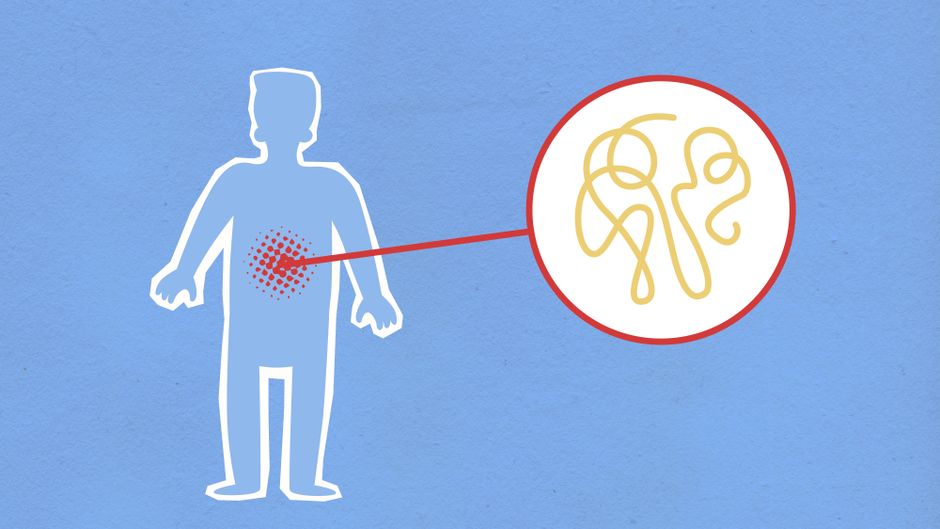
The single best thing you can do for your gut health is to eat a wide variety of whole, plant-based foods. This means more vegetables, fruits, beans, nuts, seeds, and whole grains. The science behind this is strong. These foods feed the beneficial bacteria in your colon, which is where the real action happens.
Why Diversity Matters More Than Any Single Food
Your gut is home to trillions of bacteria. No single food or supplement feeds all of them. Different bacteria prefer different types of fiber. If you eat the same salad every day, you only feed the bacteria that like that specific fiber. The rest go hungry.
Research consistently shows that people with a more diverse gut microbiome have better markers of metabolic health. They also tend to have lower levels of systemic inflammation. The connection is clear: a varied diet creates a varied microbiome. A varied microbiome is a more resilient one.
This is why the “best” thing is not a single pill or powder. It is a pattern of eating. The goal is to hit 30 different plant foods per week. That sounds like a lot, but it is easier than you think. A handful of walnuts counts. A sprinkle of chia seeds counts. A cup of lentils counts. Herbs and spices count too.
The Role of Fiber: The Fuel for Your Microbiome
Fiber is the primary food source for the bacteria in your large intestine. These bacteria ferment the fiber and produce short-chain fatty acids, most notably butyrate. Butyrate is the main energy source for the cells lining your colon. It also helps regulate inflammation and supports the integrity of the gut barrier.
The current dietary guidelines recommend that adults get about 25 to 30 grams of fiber per day. Most Americans get about half that. This is not a marketing claim. It is a documented gap between what we eat and what our bodies are designed to handle.
When you increase fiber, do it gradually. A sudden jump from 15 grams to 30 grams can cause bloating and gas. Your bacteria need time to adapt. Add one serving of beans or a new vegetable every few days. Drink plenty of water. Your colon needs water to move fiber through effectively.
Fermented Foods: Live Bacteria That Add to the Mix
Fiber feeds the bacteria you already have. Fermented foods introduce new live bacteria directly into your system. Yogurt with live cultures, kefir, sauerkraut, kimchi, and kombucha all fall into this category.
Some research suggests that regular consumption of fermented foods can increase microbiome diversity. One notable study found that a diet high in fermented foods led to measurable changes in the gut microbiome and reduced markers of inflammation. This is promising, but the evidence is not as strong as the evidence for fiber.
Not all fermented foods are equal. Pasteurized sauerkraut and shelf-stable kombucha often contain no live bacteria. Check the label. Look for “live cultures” or “raw” on the package. And remember, fermented foods complement a high-fiber diet. They do not replace it.


What About Probiotic Supplements?
Probiotic supplements are popular. They are also the most misunderstood product in the gut health space. Here is what the evidence actually shows: specific strains can help with specific conditions. For example, certain strains of Lactobacillus and Bifidobacterium have been shown to reduce antibiotic-associated diarrhea.
However, there is no evidence that a generic probiotic supplement will meaningfully improve gut health in a healthy person. The research is mixed. Some studies show modest benefits. Others show no benefit at all. The quality of supplements varies widely. Many products contain strains that never survive stomach acid.
Your gut is already full of bacteria. Taking a supplement adds a small number of new ones. They may pass through without colonizing. This is not a failure of the product. It is how the ecosystem works. The bacteria that survive are the ones that find a niche and get fed.
If you do take a probiotic, choose one with a specific strain named on the label and some clinical evidence behind it. Take it consistently for at least a few weeks. But do not expect it to undo the effects of a poor diet.
Prebiotics: The Food for Probiotics
Prebiotics are types of fiber that specifically feed beneficial bacteria. They are not the same as general fiber, though many foods contain both. Common prebiotics include inulin, fructooligosaccharides, and galacto-oligosaccharides. You find them in garlic, onions, leeks, asparagus, bananas, and oats.
You do not need a prebiotic supplement. Whole foods are the best source. In fact, concentrated prebiotic powders can cause significant bloating and discomfort. Some people are highly sensitive to inulin. The dose that helps one person can cause pain in another.
If you want to support your gut, focus on eating whole foods that naturally contain prebiotics. This is simpler and safer than buying a supplement. It also provides the other nutrients that come with whole foods, which isolated compounds do not.
What Hurts Your Gut?
Knowing what helps is only half the picture. You also need to know what damages your gut. The two biggest factors are diet and medication.
Highly processed foods are consistently associated with lower microbiome diversity. These foods are low in fiber and high in additives. Some emulsifiers, used to improve texture in processed foods, have been shown in animal studies to alter the gut lining. Human data is limited, but the pattern is concerning.
Antibiotics are necessary in many situations. They also wipe out both good and bad bacteria. If you take antibiotics, it is reasonable to be intentional about your diet afterward. Focus on fiber-rich foods and fermented foods to help your microbiome recover. This is not a guarantee, but it is a sensible approach.
Chronic stress and poor sleep also affect the gut. The gut-brain axis is real. Stress can change motility, increase inflammation, and alter the composition of your microbiome. You cannot fix your gut with diet alone if you are chronically stressed and sleep-deprived.
Putting It All Together: A Simple Approach
Here is what the best available evidence supports for gut health:
- Eat at least 25 to 30 grams of fiber daily from a variety of plant foods.
- Aim for 30 different plant foods per week, including fruits, vegetables, nuts, seeds, legumes, and whole grains.
- Include fermented foods with live cultures several times per week.
- Limit ultra-processed foods, especially those with long ingredient lists.
- Manage stress and prioritize sleep. Both directly affect your gut.
This is not a restrictive plan. It is a pattern of eating that most people can follow. Start where you are. If you currently eat very little fiber, add one serving of vegetables to one meal. Next week, add beans to a salad. The goal is progress, not perfection.
What Is The Best Thing For Gut Health?
The best thing for gut health is a consistent pattern of eating a wide variety of whole plant foods. This is the approach with the strongest evidence behind it. It is supported by decades of research on fiber, microbiome diversity, and dietary patterns like the Mediterranean diet.
There is no single superfood. There is no supplement that replaces a good diet. The bacteria in your gut need a steady supply of different fibers to thrive. You provide that by eating a rainbow of plants, not by chasing the latest gut health product.
If you want to do one thing today, add a new plant food to your next meal. That is the best thing you can do for your gut. And you can do it again tomorrow.
Frequently Asked Questions
Is yogurt good for gut health?
Yogurt with live cultures can introduce beneficial bacteria to your gut. Choose plain yogurt with active cultures and no added sugar for the best effect.
How long does it take to improve gut health?
Changes in your gut microbiome can begin within days of changing your diet. Meaningful improvements in diversity typically take several weeks of consistent eating.
Do I need to take a probiotic supplement?
Most healthy people do not need a probiotic supplement. Eating fermented foods and a high-fiber diet is more effective and better supported by evidence.
Can drinking more water help my gut?
Yes, water helps fiber move through your digestive system. Without adequate fluid, increased fiber intake can cause constipation.
