
The best shampoo for oily hair is one that cleanses effectively without stripping the scalp completely dry. Look for a clarifying or balancing formula with ingredients like salicylic acid, tea tree oil, or zinc pyrithione. These ingredients help remove excess sebum and keep oil production in check without triggering rebound oiliness.
What Causes Oily Hair and Scalp?
Your scalp produces sebum, a natural oil that protects your hair and skin. Sebum is not the enemy. It keeps your scalp moisturized and your hair from becoming brittle. The problem starts when your sebaceous glands produce more oil than your hair can absorb.
Genetics plays a large role in how much oil your scalp produces. If your parents had oily hair, you likely will too. Hormones also matter. Androgens, the male sex hormones present in everyone, stimulate sebum production. This is why teenagers often have oily hair and why some women notice oilier hair during certain points in their menstrual cycle.
Your washing habits can also contribute. Washing too frequently can dry out the scalp. When the scalp feels dry, it produces more oil to compensate. This creates a cycle where you wash more, the scalp gets drier, and it produces even more oil.
What Ingredients Should You Look For?
Certain ingredients have strong evidence behind them for managing oily hair. These are the ones worth looking for on a label.
Salicylic acid is a beta hydroxy acid that dissolves oil and exfoliates the scalp. It helps clear dead skin cells and excess sebum from the hair follicle. Many dermatologists recommend it for oily, flaky scalps.
Tea tree oil has antimicrobial properties. Some research suggests it can reduce scalp oiliness and flaking. The evidence is modest, but it is a common ingredient in shampoos designed for oily hair.
Zinc pyrithione is an antifungal and antibacterial agent. It is most often used in dandruff shampoos, but it also helps control sebum production. It works well for people who have both oily hair and dandruff.
Clay is a newer trend in shampoos. Bentonite and kaolin clay absorb excess oil. These shampoos can be effective, but they can also be drying. Use them once or twice a week rather than daily.
Sulfates like sodium lauryl sulfate are strong detergents. They clean thoroughly and remove oil effectively. However, they can be too harsh for some people. If your scalp feels tight or itchy after washing, a sulfate-free formula may be a better fit.
What Ingredients Should You Avoid?
Silicones are common in conditioners and some shampoos. They coat the hair to make it smooth and shiny. But they can also build up on the hair and scalp, making oily hair look greasy faster. Look for products labeled “silicone-free” or check the ingredient list for anything ending in “-cone” like dimethicone or cyclopentasiloxane.
Heavy oils and butters can weigh down oily hair. Coconut oil, shea butter, and argan oil are popular in hair care, but they may be too heavy for naturally oily hair. These ingredients are better suited for dry or damaged hair types.
Parabens and artificial fragrances are not directly linked to oil production. But they can irritate the scalp in some people. An irritated scalp can become inflamed, which may affect oil production. If you have a sensitive scalp, a fragrance-free formula is worth trying.




How Often Should You Wash Oily Hair?
There is no single answer that works for everyone. Some people need to wash every day. Others can go two or three days between washes. The right frequency depends on how much oil your scalp produces and how your hair looks and feels.
Daily washing is not harmful if you use a gentle shampoo. The old belief that daily washing damages hair is not supported by evidence. What matters more is the type of shampoo you use and whether you condition only the ends of your hair, not the scalp.
If you want to stretch time between washes, dry shampoo can help. Powder-based dry shampoos absorb oil at the roots. Spray formulas can work too, but they may leave a residue. Apply dry shampoo at night before bed. This gives it time to absorb oil while you sleep.
Overwashing with a harsh shampoo can backfire. It strips the scalp of all its natural oils. The scalp responds by producing more oil. This is why some people feel their hair gets greasier the more they wash it.
How Should You Apply Shampoo for Best Results?
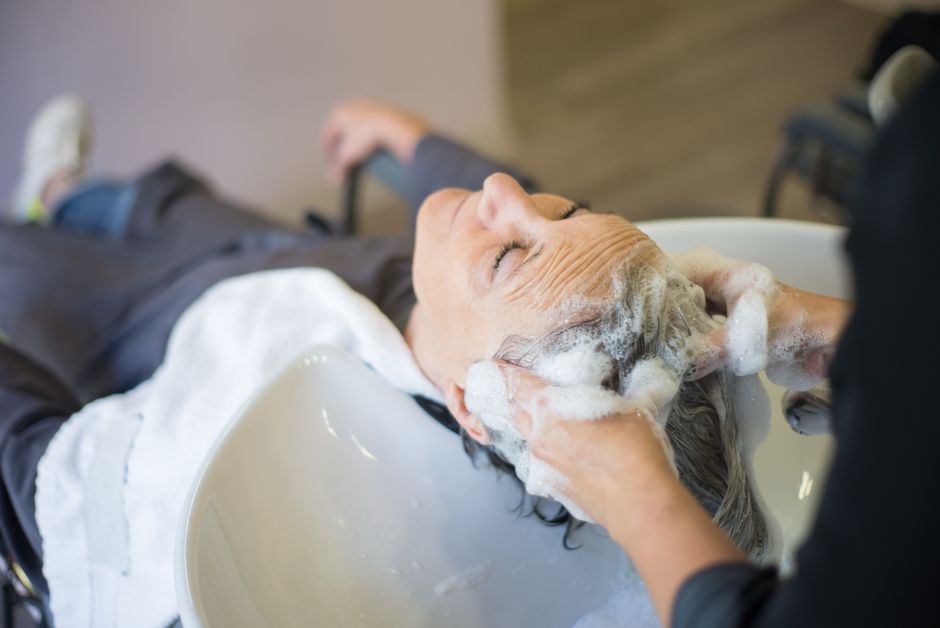
How you apply shampoo matters as much as which shampoo you choose. Focus the shampoo on the scalp, not the lengths of your hair. The scalp is where oil is produced. The ends of your hair are usually drier and do not need the same cleansing.
Massage the shampoo into your scalp with your fingertips. Use gentle pressure. Scrubbing too hard can irritate the scalp and stimulate more oil production. Let the shampoo sit for a minute or two before rinsing. This gives active ingredients like salicylic acid time to work.
Rinse thoroughly. Shampoo residue left on the scalp can look greasy and attract dirt. Warm water is better than hot water. Hot water can strip the scalp and trigger excess oil production.
Conditioner should go on the mid-lengths and ends only. Applying conditioner to the scalp adds moisture where you do not need it. This is one of the most common mistakes people with oily hair make.
Do Prescription Shampoos Work for Oily Hair?
Prescription shampoos are available for severe cases. Ketoconazole shampoo is one example. It is primarily used for fungal conditions like seborrheic dermatitis, but it can also reduce oiliness. Some dermatologists prescribe it off-label for oily scalp.
Topical steroids are another option for inflamed, oily scalps. These are not a long-term solution. They are used for short periods to reduce inflammation. Steroid use should always be supervised by a doctor.
Oral medications are rarely used for oily hair alone. Isotretinoin, a powerful acne medication, reduces sebum production significantly. But it has serious side effects and is only considered for severe cases that do not respond to other treatments.
If over-the-counter shampoos are not working after several weeks, see a dermatologist. They can examine your scalp and determine whether an underlying condition like seborrheic dermatitis is causing your symptoms. This condition can look like simple oiliness but requires a different treatment approach.
Can Diet Affect Oily Hair?
Diet may play a role, but the evidence is not strong. Some research suggests that high-glycemic foods like white bread and sugary drinks may increase sebum production. The theory is that these foods spike insulin, which may stimulate oil glands.
Other studies have looked at dairy and its link to oil production. The results are mixed. Some people report less oily skin and hair when they reduce dairy. Others see no change. There is no solid clinical evidence that any specific food directly causes oily hair.
What is clearer is that overall health affects your scalp. Chronic stress can worsen many skin conditions, including oily scalp. Poor sleep and dehydration can also affect skin health. Managing stress and staying hydrated are reasonable steps, but they are not a cure for oily hair.
When Should You See a Dermatologist?
See a dermatologist if your scalp is painful, itchy, or has visible flakes. These symptoms may indicate seborrheic dermatitis, psoriasis, or a fungal infection. These conditions require specific treatments that are different from standard oily hair shampoos.
Sudden changes in oil production also warrant a medical visit. If your hair suddenly becomes much oilier than usual, it could signal a hormonal issue. This is especially true if the change comes with other symptoms like acne, irregular periods, or hair loss.
A dermatologist can also help if you have tried multiple products without success. They can recommend medical-grade options or prescribe treatments that are not available over the counter.
Frequently Asked Questions
Can washing your hair every day make it oilier?
No, daily washing with a gentle shampoo does not make hair oilier. Harsh shampoos that strip the scalp completely can trigger excess oil production.
Is dry shampoo bad for oily hair?
Dry shampoo is safe for occasional use between washes. It absorbs oil at the roots, but it does not clean the scalp, so regular shampooing is still necessary.
Does conditioner make oily hair worse?
Conditioner only makes oily hair worse if you apply it to the scalp. Apply conditioner to the mid-lengths and ends only, and rinse thoroughly.
How long does it take for a new shampoo to work?
Most shampoos need two to four weeks of consistent use before you see clear results. If there is no improvement after a month, try a different formula.
