
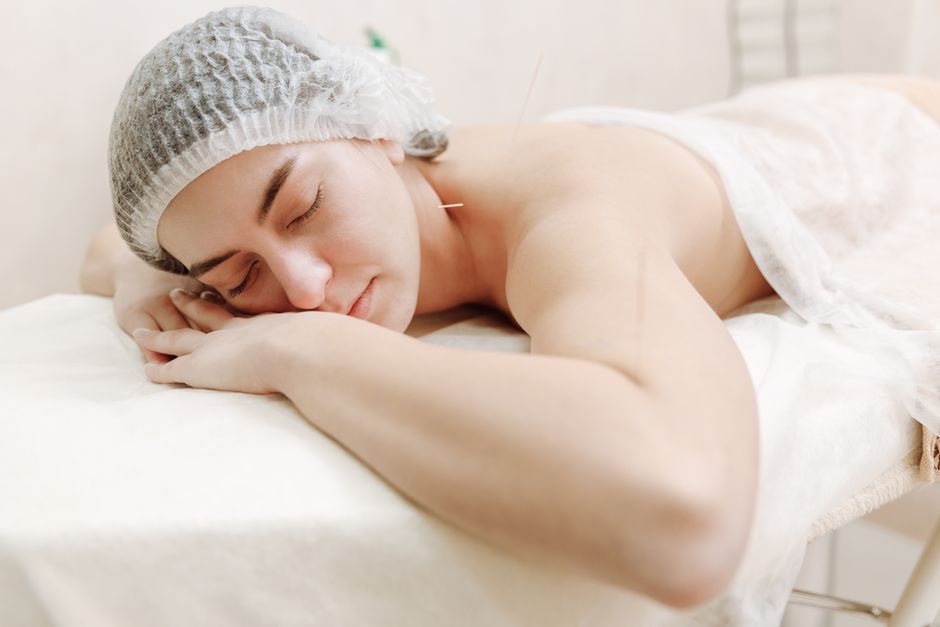
Hair nets are not inherently bad for your hair. For most people, wearing one for a work shift does not cause hair loss, breakage, or scalp damage. The problems that do occur come from how the net is worn, how long it stays on, and what is happening underneath it — not from the net itself.
A hair net is a lightweight mesh cap designed to keep loose hair contained. Food service workers, healthcare staff, and factory employees wear them for hygiene and safety reasons. The net sits against the scalp and holds hair in place. That physical contact is where any real risk begins and ends.
Understanding what a hair net actually does to hair and scalp tissue helps separate genuine concerns from myths that circulate online.
Are Hair Nets Bad For Your Hair Risks Explained
The main risks linked to hair nets are traction, moisture buildup, and friction — and each depends on fit and duration, not the net itself.
Traction happens when hair is pulled tight and held in one direction for hours. A hair net with a snug elastic band can press against the hairline and pull on strands near the temples and forehead. Over time, repeated tension in the same spot can stress the hair follicle.
This is the same mechanism behind traction alopecia, a form of hair loss caused by prolonged pulling. Research on traction alopecia has focused mostly on tight hairstyles like braids, weaves, and ponytails — not hair nets specifically. The principle is similar, but the force from a standard hair net is usually much lower than from a tight braid.
Moisture buildup is a real but often overstated concern. A hair net traps some heat and sweat against the scalp. For most people, this is temporary and resolves once the net comes off. It becomes more of an issue if the net is worn for many hours without a break, or if it sits over hair that is already damp.
Friction occurs where the net rubs against hair, especially along the edges. This can roughen the hair cuticle over time, which may make hair feel drier or look dull. It does not typically cause hair to fall out from the root.
Can Wearing a Hair Net Cause Hair Loss?
A properly fitted hair net worn for a normal work shift does not cause permanent hair loss in healthy people.
The type of hair loss most plausibly connected to hair nets is traction-related, and it is usually reversible if the tension stops. Hair follicles that are stressed but not scarred can recover once the pulling ends. If tension continues for months or years without relief, some follicles can be damaged permanently — but that generally requires sustained, significant pulling, not the light pressure of a standard net.
It is worth separating hair net concerns from other causes of hair loss. Shedding 50 to 100 hairs a day is normal. Telogen effluvium, a temporary increase in shedding, is often triggered by illness, stress, hormonal shifts, or nutritional deficiencies — not by headwear. Androgenetic alopecia (pattern hair loss) is driven by genetics and hormones.
If someone notices increased shedding while wearing hair nets, the net may be a coincidence rather than the cause. A doctor can help sort out which is which.
Does a Hair Net Cause Scalp Problems or Breakouts?
A hair net can contribute to scalp irritation, but it is rarely the sole cause.
When sweat, oil, and dead skin cells are trapped against the scalp under a net, the environment becomes warmer and moister. For people prone to seborrheic dermatitis — a common condition causing flaking and itching — this can make symptoms worse. The same is true for those with dandruff or oily scalps.
Breakouts along the hairline can also occur. This is sometimes called acne mechanica, a type of acne triggered by friction, pressure, or occlusion from clothing, helmets, or headgear. A hair net that presses against the forehead or temples for hours can contribute.
The fix is usually straightforward: keep the scalp clean, avoid wearing the net over damp hair, and give the scalp time to breathe between shifts. If irritation persists, a dermatologist can identify whether an underlying skin condition is involved.





What Makes Some Hair Nets More Problematic Than Others?
Fit and material matter more than the presence of a net itself.
- Too tight: A net with a strong elastic band that digs into the hairline creates more traction and pressure.
- Too loose: A net that shifts and rubs can cause more friction against the hair shaft.
- Non-breathable material: Nets made from synthetic fabrics that do not allow airflow trap more heat and moisture.
- Worn over wet hair: Damp hair is more fragile and more vulnerable to friction damage.
- Worn for very long stretches: The longer the net stays on without a break, the more time tension and moisture have to build up.
A well-fitted, breathable net worn for a standard shift is unlikely to cause problems for most people.
How Do You Protect Your Hair While Wearing a Hair Net?
Simple habits reduce the small risks that hair nets can pose.
Choose a net that fits without pinching. If it leaves deep marks on your forehead or temples, it is too tight. If it slides around constantly, it is too loose.
Avoid pulling hair back tightly before putting on the net. A gentle bun or loose gather puts less stress on the hairline than a tight pull.
Let hair dry fully before covering it. Wearing a net over damp hair keeps moisture trapped against the scalp for longer.
Take breaks when possible. Removing the net during lunch or rest periods gives the scalp a chance to cool and dry.
Keep the scalp clean and avoid heavy product buildup. Some people find that washing with a gentle shampoo after shifts helps prevent irritation.
If you notice thinning, soreness, or persistent irritation along the hairline, pay attention. Early changes are easier to address than long-standing ones.
Is There Any Evidence That Hair Nets Damage Hair?
Direct research on hair nets and hair damage is limited. Most of what is known comes from broader research on traction, occlusion, and friction — not from studies specifically on hair nets.
Traction alopecia is well documented in the medical literature, particularly in people who wear tight hairstyles regularly. The mechanism is established: sustained pulling damages hair follicles. But hair nets typically apply far less tension than braids or tight ponytails.
Occlusion and moisture-related scalp issues are also well described in dermatology. Helmets, hats, and other headgear can worsen certain scalp conditions. Hair nets fall into this general category.
What is missing is large, controlled research looking specifically at hair nets and hair health outcomes. That means claims that hair nets cause hair loss should be treated with caution. So should claims that they are completely harmless in every situation. The honest position is that the risk is low for most people and depends heavily on fit and wear time.
Do Hair Nets Cause Hair Loss in Black Hair or Textured Hair?
People with textured or curly hair may face slightly different considerations.
Textured hair tends to be more fragile at the bends and can be more prone to breakage from friction. If a hair net rubs against the hairline repeatedly, it may contribute to breakage along the edges over time.
People who already wear tight styles under a net — like slicked-back buns or tight braids — add tension on top of tension. That combination is more likely to stress the hairline than a net alone.
The same principles apply: looser styles, breathable nets, and breaks from wearing the net all help reduce strain on fragile areas.
Frequently Asked Questions
Can wearing a hair net every day cause hair loss?
Wearing a properly fitted hair net daily for a normal shift is unlikely to cause permanent hair loss. The main concern is traction from tight fit or tight hairstyles worn underneath, which can stress the hairline over time.
Do hair nets make your hair greasy or cause dandruff?
Hair nets can trap heat and moisture against the scalp, which may worsen flaking or oiliness in people already prone to those issues. The net does not create dandruff, but it can make an existing scalp condition feel worse.
What should I wear under a hair net to protect my hair?
A loose gather or low bun puts less tension on the hairline than a tight pull. Some people also wear a soft, breathable liner or bandana underneath to reduce direct friction.
Are cloth hair nets better for hair than nylon ones?
Cloth nets may allow more airflow than tightly woven synthetic ones, which could reduce heat and moisture buildup. There is no strong research comparing materials directly, so fit and breathability matter more than the label.
