
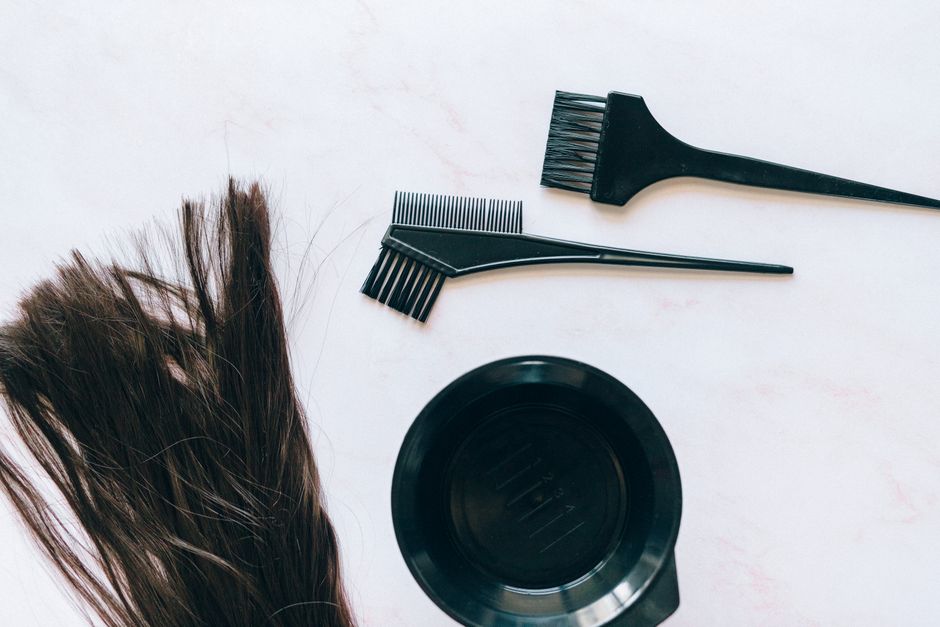
A “bleach bomb” is a homemade hair-lightening mixture that combines bleach powder, a developer, and often shampoo or other additives, applied all at once to lift color from the hair. The term spread through social media and DIY beauty videos, not through professional hair care. It is not a recognized salon technique, and it carries real risks that the videos rarely mention.
What Is A Bleach Bomb Hair Lightening Explained?
A bleach bomb is essentially a large, strong batch of lightener mixed and applied in one go, usually by someone without professional training. The idea is to saturate the hair with bleaching ingredients to get a fast, dramatic lift in color.
The problem is that hair lightening is chemistry, and more is not better. Bleach works by breaking down the natural pigment inside the hair shaft. Push that process too far and the hair itself starts to break down.
Professional lightening is usually done in controlled stages with careful monitoring. A bleach bomb skips most of that control. That is the core difference, and it is the reason the method is risky.
What Is Actually In a Bleach Bomb?
Most bleach bomb recipes combine a few ingredients, and each one does something specific. Understanding them explains why the mixture behaves the way it does.
- Bleach powder — the lightening agent. It contains persulfate salts that react with the developer to break apart melanin, the pigment that gives hair its color.
- Developer — usually hydrogen peroxide. It activates the bleach powder and opens the hair cuticle so the lightener can reach the pigment inside.
- Shampoo — often added to stretch the mixture and make it easier to spread.
- Other additives — recipes online sometimes include things like baking soda, lemon juice, or conditioner. These are not standard lightening ingredients and can add irritation or damage.
The strength of the developer matters a lot. Higher-volume developers lift more color but cause more damage. This is one reason home mixtures are unpredictable. A person may not know what concentration they are actually using.
Why Is a Bleach Bomb So Damaging to Hair?
Hair lightening damages hair by design. The process has to break chemical bonds in the hair to remove pigment, and those bonds do not fully rebuild.
A bleach bomb increases the damage in a few ways. It uses a lot of product at once, it often sits on the hair for a long time, and it may be applied unevenly. Heat from the scalp can also speed up the reaction in some areas while leaving others under-processed.
When lightening goes too far, the hair can become brittle, stretchy when wet, or break off. In severe cases hair can dissolve or snap near the scalp. This is sometimes called chemical haircut, and it does not grow back quickly. Hair grows at roughly half an inch per month on average, so any length lost to breakage takes months to replace.
There is also a scalp risk. Hydrogen peroxide and persulfate salts can irritate or burn skin, especially with prolonged contact. People with sensitive skin, eczema, or a history of reactions to hair dye may be more vulnerable.
Does a Bleach Bomb Work Better Than Regular Lightening?
No. A bleach bomb does not lighten hair more effectively than a properly done professional process. It may lighten faster in the short term, but faster is not the same as better.
Professional lighteners are formulated to balance lift with damage control. A stylist can adjust the developer strength, monitor the hair as it processes, and stop before the hair is compromised. That control is what produces good results without destroying the hair.
A bleach bomb removes that control. The result is often uneven color, patchiness, and damage that is hard to fix. Correcting a bad bleach job usually costs more than the original salon visit would have.
What Are the Alternatives to a Bleach Bomb?
If the goal is lighter hair, there are several options that are safer and more predictable than a homemade mixture.
- Professional lightening — a stylist can assess your hair’s condition, history, and texture before choosing a method.
- Gentle at-home lightening kits — these are formulated for home use with clearer instructions, though results still vary.
- Color-depositing products — these add tone or subtle brightness without lifting pigment, so they cause far less damage.
- Gradual lightening — lifting color over multiple sessions is gentler than trying to do it all at once.
None of these are risk-free, but they are more controlled than mixing a bleach bomb at home.
Who Should Avoid Lightening Hair at Home Entirely?
Some people should not attempt strong lightening at home, and some should not lighten at all without professional guidance.
People with already damaged, over-processed, or previously bleached hair are at high risk. So are people with very dark hair, since lifting dark pigment requires stronger processing and more time. Anyone with a scalp condition, open cuts, or a known sensitivity to hair chemicals should talk to a doctor or dermatologist first.
If you have had a reaction to hair dye before, such as itching, swelling, or a rash, that is a sign to be cautious. A patch test, where a small amount of product is applied to the skin before full use, can help identify a reaction. This is standard practice with many hair dyes and lighteners.
What Should You Do If a Bleach Bomb Goes Wrong?
If hair starts breaking, feels gummy, or the scalp burns, stop and rinse immediately. Do not try to “fix” it by adding more product.
For scalp irritation or burning, rinse with cool water and avoid further chemical treatments. If burning is severe, blistering occurs, or you feel unwell, seek medical care. Chemical burns on the scalp are a medical issue, not a styling problem.
For damaged hair, the honest answer is that there is no product that truly repairs broken bonds. Some treatments can temporarily smooth the hair and reduce the look of damage, but they do not restore hair that has been chemically destroyed. The most reliable fix is time and gentle care while new hair grows in.
If the damage is severe, a professional stylist can assess whether the hair can be saved or needs to be cut. Cutting is sometimes the only option when the structure of the hair is gone.
What Does the Evidence Say About DIY Hair Lightening?
There is very little formal research on bleach bombs specifically. The method is a social media trend, not a studied technique, so there are no clinical trials comparing it to other lightening methods.
What is well established is the general chemistry of hair lightening and its risks. The damage from over-processing, the potential for scalp irritation, and the role of hydrogen peroxide and persulfate salts are all documented in hair science and dermatology literature. That knowledge is enough to explain why a bleach bomb is risky, even without studies on the exact recipe.
The absence of research is not proof that something is safe. In this case, the known chemistry points in the other direction.
Frequently Asked Questions
Is a bleach bomb safe for hair?
No. A bleach bomb uses strong lightening chemicals with little control, which raises the risk of hair breakage and scalp irritation. It is not a recognized or recommended method.
Can a bleach bomb lighten dark hair?
It can lift some color, but dark hair needs stronger processing, which also means more damage. Results are often uneven and the hair is more likely to break.
How long should you leave a bleach bomb on?
There is no safe, established time for a homemade bleach bomb because the mixture is not standardized. Leaving strong lightener on too long increases the risk of burns and hair damage.
Can damaged hair from a bleach bomb be repaired?
No product can fully rebuild hair that has been chemically destroyed. Some treatments can improve how it looks and feels, but badly damaged hair often has to be cut.
