
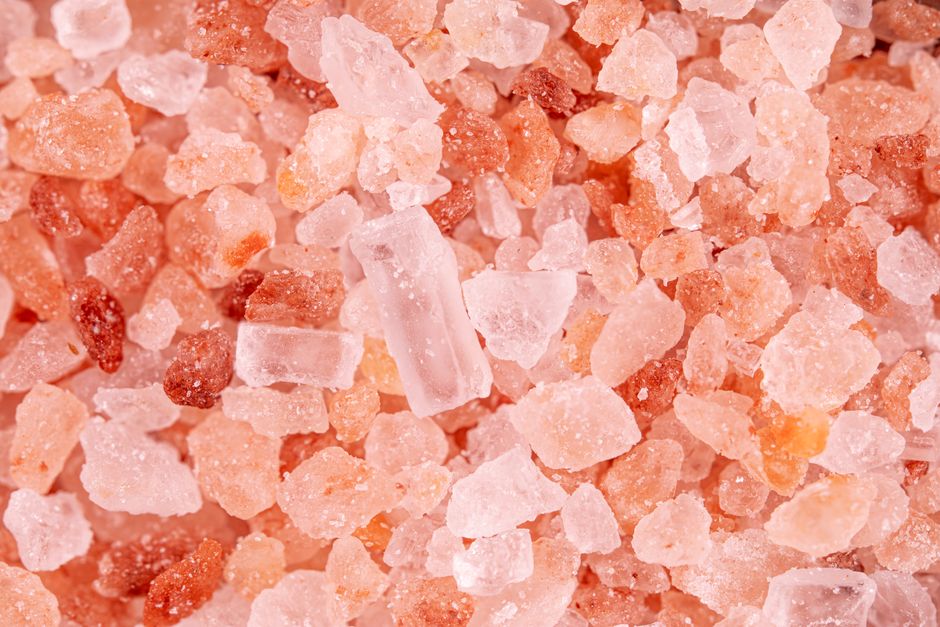
The best salt to use depends on what you care about — taste, mineral content, or how it affects your health. For everyday cooking and general health, the honest answer is that any salt with iodine is the smartest choice for most people. Iodized table salt prevents iodine deficiency, which is a real problem for many Americans. If you prefer the texture or flavor of kosher salt or sea salt, that is fine — just make sure you are getting iodine from other foods.
What Is the Difference Between Table Salt, Sea Salt, and Kosher Salt?
The main difference is where the salt comes from and how it is processed. Table salt is mined from underground salt deposits and heavily processed to remove minerals and prevent clumping. Sea salt comes from evaporated seawater and retains trace minerals like magnesium, calcium, and potassium. Kosher salt has a larger, flakier texture that makes it easy to pinch and sprinkle.
Kosher salt got its name because its large crystals are good for drawing blood out of meat during koshering. It has no additives like iodine or anti-caking agents. Sea salt can be fine or coarse and varies in color depending on the minerals left in it. Table salt is the most uniform and dissolves the fastest.
From a health standpoint, the differences in mineral content between sea salt and table salt are tiny. You would need to eat dangerous amounts of salt to get meaningful levels of magnesium or calcium from sea salt. The real choice comes down to texture and how you cook.
Does the Type of Salt Affect Blood Pressure Differently?
All salt is about 40 percent sodium by weight. That includes pink Himalayan salt, sea salt, table salt, and kosher salt. The idea that fancy salts are better for blood pressure is not supported by evidence. Your body processes the sodium the same way regardless of the source.
Some people believe pink salt is lower in sodium because its crystals are larger and less dense. But if you measure by weight, not volume, the sodium content is nearly identical. A teaspoon of fine table salt has more sodium than a teaspoon of coarse pink salt simply because more salt fits in the spoon. If you weigh them both, the sodium is the same.
The American Heart Association recommends limiting sodium to 2,300 milligrams per day, with an ideal limit of 1,500 milligrams for most adults. This applies no matter what kind of salt you use. Switching from table salt to sea salt will not lower your blood pressure if you use the same amount by weight.
What Is the Best Salt to Use for Iodine Intake?
Iodized table salt is the best choice if you want to make sure you get enough iodine. Iodine is essential for thyroid function, and a deficiency can cause goiter, fatigue, and weight gain. The CDC reports that about one-third of Americans may have low iodine levels, especially people who avoid dairy, seafood, and processed foods.
Sea salt and kosher salt do not naturally contain iodine. Some sea salt brands add iodine, but most do not. Pink Himalayan salt has trace amounts of iodine, but not enough to meet your daily needs. If you use non-iodized salt exclusively, you need to get iodine from other sources like fish, dairy, eggs, or a multivitamin.
One teaspoon of iodized table salt provides about 400 micrograms of iodine, which is more than the daily recommended intake of 150 micrograms for adults. Pregnant and breastfeeding women need more — 220 and 290 micrograms per day respectively. If you use kosher or sea salt for cooking, consider using iodized salt at the table or eating iodine-rich foods regularly.
This is not a scare tactic. Iodine deficiency is rare in the US, but it does happen. A 2023 study in the journal Thyroid found that iodine levels have dropped in American women of childbearing age over the past two decades. Using iodized salt is an easy way to avoid this problem.



What About Pink Himalayan Salt?
Pink Himalayan salt is mined from the Khewra Salt Mine in Pakistan. Its pink color comes from trace amounts of iron oxide. It also contains small amounts of magnesium, calcium, potassium, and other minerals. These minerals are present in such tiny quantities that they have no meaningful health effect.
To get a noticeable amount of potassium from pink salt, you would need to eat several tablespoons per day. That would be dangerous because of the sodium load. The mineral content of pink salt is often exaggerated by marketers. It is not a significant source of any nutrient.
Some people report that pink salt tastes milder or less harsh than table salt. This may be because it contains no anti-caking agents or because the larger crystals dissolve more slowly on the tongue. If you prefer the taste and can afford it, using pink salt is fine. Just do not expect it to improve your health in any meaningful way.
There is no clinical evidence that pink salt has any unique health benefits over other salts. The claims about balancing pH, improving sleep, or regulating blood sugar are not supported by research. As of 2026, no major health organization recommends pink salt over iodized table salt.
Which Salt Is Best for Cooking and Baking?
For baking, use fine table salt. It dissolves evenly into doughs and batters, and the measurements in recipes assume fine salt unless otherwise noted. Coarse salts do not dissolve as easily, which can leave pockets of salt in baked goods. Stick with what the recipe calls for.
For general cooking, kosher salt is preferred by many chefs. Its large flakes are easy to pinch, and it distributes evenly over food. Diamond Crystal brand is popular because its flakes are lighter and less salty by volume than Morton’s. This gives you more control over seasoning.
For finishing dishes, flaky sea salt like Maldon is excellent. Its thin, crunchy crystals add texture and a burst of saltiness that dissolves quickly on the tongue. This is the salt to use on steaks, salads, or chocolate desserts right before serving. Do not cook with it — it is expensive and the texture is lost when it dissolves.
Here is a quick comparison to help you choose:
| Type | Best For | Iodine | Texture |
|---|---|---|---|
| Iodized table salt | Baking, everyday cooking | Yes | Fine, uniform |
| Kosher salt | General cooking, seasoning | No | Large flakes |
| Sea salt (fine) | Cooking, baking | No | Fine to medium |
| Flaky sea salt | Finishing dishes | No | Thin, crunchy |
| Pink Himalayan | Table use, aesthetics | Trace | Coarse to fine |
What Are Common Misconceptions About Salt?
The biggest myth is that expensive salt is healthier. All salt is primarily sodium chloride. The trace minerals in sea salt or pink salt are present in amounts too small to matter. If a salt product claims to be “low sodium,” check the label carefully. Some low-sodium salts replace sodium chloride with potassium chloride, which can be dangerous for people with kidney problems.
Another myth is that salt causes high blood pressure in everyone. Some people are salt-sensitive, meaning their blood pressure rises more in response to sodium. Others can eat salt without significant changes. The only way to know is to check your blood pressure regularly and talk to your doctor. Reducing sodium is still recommended for most adults, but the effect varies by individual.
Some people believe that sea salt contains less sodium because it is “natural.” This is not true. Sea salt and table salt have the same sodium content by weight. The difference is that sea salt crystals are often larger, so a teaspoon weighs less. If you measure by weight, not volume, the sodium is identical.
Here is what to avoid:
- Avoid salt products that make health claims about curing disease or balancing body chemistry. These are not supported by evidence.
- Avoid using non-iodized salt exclusively unless you are sure you get iodine from other sources.
- Avoid assuming that colored or textured salts are healthier. They are not.
- Avoid salt substitutes with potassium chloride if you have kidney disease or take certain blood pressure medications. Check with your doctor first.
Frequently Asked Questions
Is pink Himalayan salt healthier than regular salt?
No. Pink Himalayan salt contains trace minerals, but the amounts are too small to affect your health. It has the same sodium content as regular salt.
Can I use sea salt instead of table salt in baking?
Yes, but you need to adjust the amount. Sea salt crystals are larger, so a teaspoon of sea salt has less sodium than a teaspoon of table salt. Weigh your salt for best results.
Do I need to use iodized salt?
Not necessarily, but it is the easiest way to prevent iodine deficiency. If you eat seafood, dairy, or eggs regularly, you may get enough iodine from food alone.
What is the best salt for low sodium diets?
No salt is better than another for low sodium diets. The key is using less salt overall. Some salt substitutes use potassium chloride, but these are not safe for everyone.
