
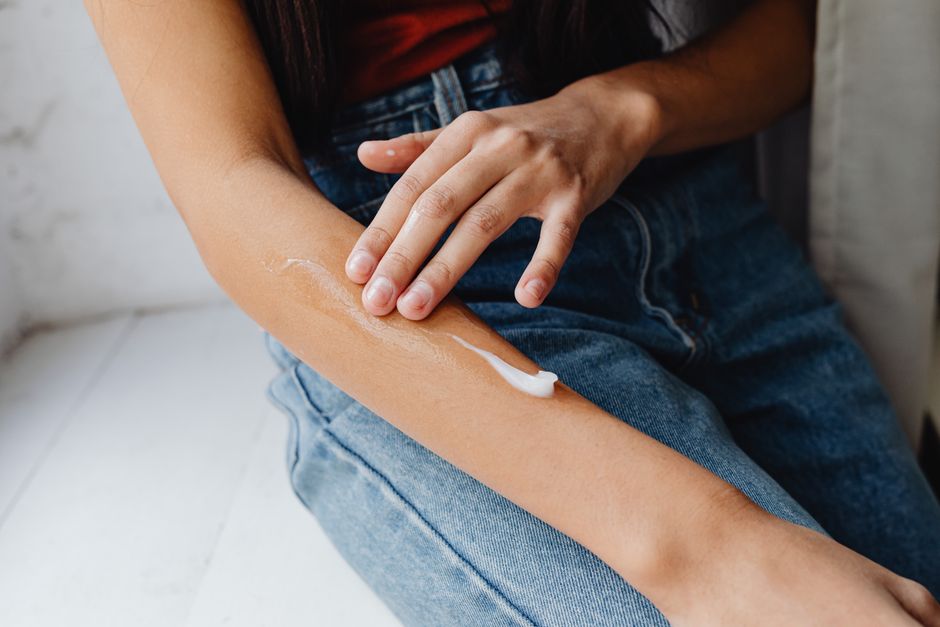
Finding a moisturizer for dry, sensitive skin often feels like a guessing game. Products promise relief but sometimes sting, burn, or leave your face feeling worse than before. The best moisturizer for dry sensitive skin is one that focuses on two jobs: repairing the skin’s protective barrier and holding water in the skin. Look for fragrance-free formulas with ceramides, glycerin, or squalane. Avoid products with dyes, essential oils, and harsh acids.
Why Does Sensitive Skin React to Moisturizers?
Your skin has a thin outer layer called the stratum corneum. Think of it as a brick wall. The skin cells are the bricks, and the lipids (fats) are the mortar holding them together. In dry, sensitive skin, that mortar is weak or missing. This allows water to escape and irritants to get in.
When an irritant enters, your immune system responds. That response shows up as redness, stinging, or a burning sensation. Many commercial moisturizers contain ingredients that trigger this response. Fragrance is the most common culprit. Even “natural” essential oils can cause reactions on compromised skin.
Alcohol is another problem. Some alcohols, like denatured alcohol, evaporate quickly and pull water from the skin. This worsens dryness. Preservatives and certain chemical sunscreens can also cause stinging on a damaged barrier.
What Ingredients Actually Help Dry Sensitive Skin?
Effective moisturizers for sensitive skin contain ingredients that mimic your skin’s natural structure. You want a product that replaces what is missing rather than just coating the surface.
Humectants draw water into the outer skin layer. Glycerin and hyaluronic acid are the most studied humectants. They work well in any climate. Some research suggests glycerin is more effective than hyaluronic acid for very dry skin because it attracts water more efficiently.
Emollients smooth the skin by filling gaps between skin cells. Squalane, shea butter, and fatty acids like linoleic acid fall into this group. They make the skin feel softer immediately.
Occlusives form a physical layer that slows water loss. Petrolatum (vaseline) is the gold standard here. It reduces water loss by over 98% in laboratory tests. Dimethicone is a lighter silicone-based occlusive that works well for facial moisturizers.
Ceramides deserve special mention. They make up about 50% of the lipids in the stratum corneum. People with eczema and very dry skin often have lower ceramide levels. Replacing them helps restore the barrier function. Most ceramide-containing moisturizers use synthetic or plant-derived versions that mimic human ceramides.
What Is The Best Moisturizer For Dry Sensitive Skin?
The single best moisturizer is one that contains a combination of humectants, emollients, and occlusives. A product with only humectants will pull water in but won’t keep it there. A product with only occlusives will trap water but won’t add any hydration to the skin.
Look for a formula that lists glycerin or ceramides in the first five ingredients. Ingredient lists are ordered by concentration, so the first few items matter most. If fragrance appears anywhere on the list, skip the product entirely. This includes “parfum” and “fragrance” as well as botanical extracts used for scent.
Several dermatologist-recommended brands consistently perform well in clinical testing. CeraVe, Cetaphil, La Roche-Posay, and Vanicream all offer fragrance-free options designed for sensitive skin. They are widely available and affordable. You do not need an expensive “medical-grade” product. The ingredient list matters more than the price tag.
Vanicream Daily Facial Moisturizer is a strong choice for people who react to almost everything. It contains squalane, ceramides, and hyaluronic acid with a very short ingredient list. CeraVe Moisturizing Cream is another reliable option. It contains three types of ceramides and hyaluronic acid in a thicker formula that works well for dry skin.





How Should You Apply Moisturizer for Best Results?
Application technique matters as much as the product itself. The best time to apply moisturizer is immediately after washing your face. Your skin is still damp, and humectants can pull that water into the deeper layers. Wait about 30 to 60 seconds after patting your face dry, then apply your moisturizer.
Use a pea-sized amount for your entire face. More product does not mean better results. A thick layer can feel heavy and may clog pores. Gently press the moisturizer into your skin rather than rubbing it vigorously. Rubbing can irritate sensitive skin further.
For extremely dry areas, like around the nose or on the cheeks, you can apply a second thin layer. If your skin still feels tight after 10 minutes, your moisturizer may not be rich enough. Consider switching to a heavier cream or ointment formula.
Consistency beats occasional heavy application. Using a moderate moisturizer twice daily is more effective than using a heavy one once a week. Morning and evening application is the standard recommendation for dry skin.
What Should You Avoid in a Moisturizer?
Avoid products with fragrance. This is the single most important rule for sensitive skin. Fragrance is the most common cause of contact dermatitis from cosmetics. Even if you have never reacted to fragrance before, your skin can become sensitized over time.
Be cautious with acids. Alpha-hydroxy acids (AHAs) like glycolic acid and lactic acid exfoliate the skin. They can help with rough texture but often sting on sensitive skin. Beta-hydroxy acid (salicylic acid) is similarly problematic for some people. If you want to use these ingredients, choose a separate product rather than a daily moisturizer.
Retinoids are effective for anti-aging but can cause dryness and peeling. If you use a retinoid, you may need a heavier moisturizer to compensate. Some people find they cannot tolerate retinoids at all due to irritation.
Watch out for “natural” or “clean” marketing claims. Essential oils like lavender, peppermint, and citrus are natural but highly irritating to damaged skin. Natural is not synonymous with gentle. The most gentle ingredients are often synthetic and highly purified.
When Should You See a Dermatologist?
If your skin does not improve after two weeks of consistent moisturizer use, consult a dermatologist. Persistent dryness and sensitivity can indicate an underlying condition. Eczema, rosacea, and contact dermatitis all require specific treatments beyond basic moisturizing.
See a doctor immediately if you experience severe reactions. Swelling, blistering, or oozing are signs of a serious allergic reaction. Stop using any new product and seek medical advice. Painful cracking or bleeding skin also requires professional evaluation.
Some people have a condition called allergic contact dermatitis. This happens when your immune system specifically reacts to an ingredient, even one that is generally considered safe. A dermatologist can perform patch testing to identify the exact culprit. This testing involves applying small amounts of suspected allergens to your back and checking for reactions after 48 hours.
Dry, sensitive skin can also be a symptom of thyroid problems or nutritional deficiencies. If you have other symptoms like fatigue, unexplained weight changes, or hair thinning, mention these to your doctor.
Lifestyle Factors That Affect Skin Dryness
Your environment affects how your skin behaves. Low humidity in winter or in air-conditioned spaces draws moisture out of the skin. Using a humidifier in your bedroom can help maintain skin hydration overnight.
Hot water strips natural oils from the skin. Take warm showers rather than hot ones. Limit shower time to 10 minutes or less. After showering, pat your skin dry and apply moisturizer within three minutes to lock in moisture.
Drinking water is important for overall health, but it does not directly hydrate the skin. The skin gets water from the bloodstream, and the outer layer holds it in. Drinking excessive water will not fix dry skin if your barrier is damaged. Moisturizer is the direct solution.
Some medications cause dry skin as a side effect. Diuretics, certain blood pressure medications, and some acne treatments are common culprits. If you notice your skin becoming drier after starting a new medication, discuss it with your prescribing doctor. Do not stop taking medication without medical advice.
Frequently Asked Questions
Can I use coconut oil on dry sensitive skin?
Coconut oil can work for some people but is not recommended for facial use in sensitive skin. It is highly comedogenic, meaning it can clog pores, and some people develop allergic reactions to it.
Is a thicker moisturizer always better for dry skin?
No. Thicker creams and ointments provide more occlusion, but they can feel heavy and cause breakouts. Choose a formula based on your skin’s response, not just its texture.
How long does it take to see results from a new moisturizer?
You may feel immediate relief from tightness, but barrier repair takes time. Expect noticeable improvement in dryness and sensitivity within two to four weeks of consistent use.
Can I use a moisturizer with SPF if I have sensitive skin?
Yes, but choose carefully. Mineral sunscreens with zinc oxide or titanium dioxide are less likely to irritate than chemical sunscreens. Look for fragrance-free formulas labeled “sensitive skin.”
