
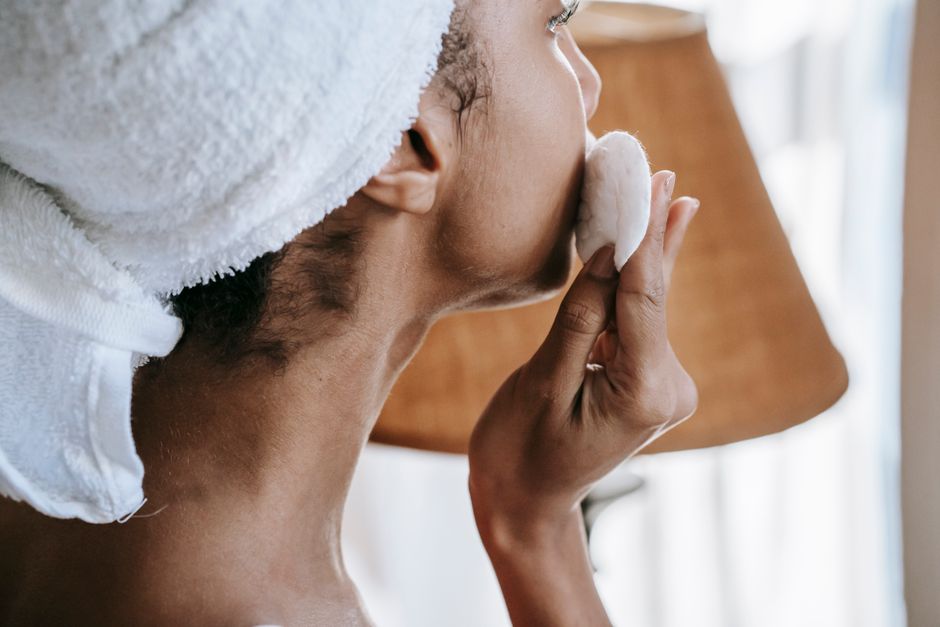
Sensitive skin is a common condition where your skin reacts more easily to things that normally wouldn’t bother other people. It can show up as redness, stinging, burning, itching, or dryness after using certain products, touching certain fabrics, or even when the weather changes. Managing it starts with identifying your specific triggers and switching to a gentle, minimal skincare routine that protects your skin’s natural barrier.
What Are the Most Common Signs of Sensitive Skin Type?
Sensitive skin is not a medical diagnosis on its own. It is a description of how your skin behaves. The signs can vary from person to person, but some reactions are very common.
You might feel a stinging or burning sensation when you apply a product. This is often the first sign people notice. Redness can appear on the cheeks, nose, or chin. Some people get patches of dry, flaky skin that feel tight. Others experience itching or a rash that looks like a mild sunburn.
Visible broken capillaries, often called spider veins, can also be a sign. These are small red lines on the surface of the skin. Your skin may also feel rough or look dull even when you moisturize regularly.
These symptoms can appear within minutes of using a product, or they can build up over days. If your skin reacts to many different products, even ones labeled “gentle,” you likely have a sensitive skin type.
What Causes Skin to Become Sensitive?
The skin has an outer layer called the stratum corneum. This layer acts like a brick wall. The skin cells are the bricks, and lipids (fats) are the mortar holding them together. This barrier keeps moisture in and irritants out.
In sensitive skin, this barrier is often weakened. The “mortar” is thin or missing in places. When this happens, water escapes from the skin, leading to dryness. At the same time, irritants can get in more easily, triggering nerve endings and immune cells.
Some people are born with a weaker skin barrier due to genetics. Others damage it over time. Over-washing with harsh soaps, using too many active ingredients, and skipping sunscreen can all break down the barrier.
Certain skin conditions also make the skin more reactive. Rosacea, eczema, and contact dermatitis all share symptoms with sensitive skin. If you have one of these conditions, your skin is more likely to react to triggers. However, you can have sensitive skin without having any of these diagnoses.
How Do You Know If You Have Sensitive Skin or Something Else?
It is easy to confuse sensitive skin with an allergy, but they are different. A true allergy involves the immune system. Your body produces antibodies against a specific substance, like nickel or a preservative in a cream. This reaction can be severe and may involve swelling or blisters.
Sensitive skin reactions are usually non-allergic. They happen because the skin barrier is weak, and the product irritates the nerve endings directly. The symptoms are often limited to stinging, burning, and redness.
If you experience swelling, oozing, or a rash that spreads beyond where you applied the product, you may have an allergy. In that case, a dermatologist can perform patch testing to identify the specific allergen.
Rosacea is another condition to consider. It causes persistent redness and visible blood vessels on the face. Sensitive skin can be a symptom of rosacea, but not everyone with sensitive skin has rosacea. If your redness is constant and centered on your nose and cheeks, talk to a dermatologist.





What Ingredients Should You Avoid with Sensitive Skin?
Fragrance is the most common cause of skin reactions. This includes both synthetic perfumes and natural essential oils. The word “unscented” is not the same as “fragrance-free.” Unscented products may still contain masking fragrances to hide the chemical smell. Look for “fragrance-free” on the label.
Alcohol is another common irritant. Denatured alcohol and SD alcohol can strip the skin of its natural oils. Some fatty alcohols like cetyl alcohol are safe and actually help moisturize. Learn to read the ingredient list.
Other ingredients to approach with caution include:
- Alpha-hydroxy acids (AHAs) like glycolic acid and lactic acid
- Beta-hydroxy acids (BHAs) like salicylic acid
- Retinoids, including retinol and prescription retinoids
- Sodium lauryl sulfate (SLS), a foaming agent found in many cleansers
- Essential oils like peppermint, eucalyptus, and lavender
This does not mean you can never use these ingredients. It means you need to introduce them slowly and one at a time. If your skin reacts, stop using them.
What Is the Best Skincare Routine for Sensitive Skin?
A simple routine is the most effective approach. Fewer products mean fewer chances for irritation. The goal is to cleanse, moisturize, and protect.
Cleanse with a gentle, non-foaming cleanser. Cream cleansers or cleansing lotions are better than gels or foams. They remove dirt without stripping the skin. Wash your face once a day in the evening. In the morning, a splash of water is often enough.
Moisturize immediately after cleansing. Apply your moisturizer while your skin is still slightly damp. This helps trap water in the skin. Look for moisturizers with ceramides, glycerin, or squalane. These ingredients support the skin barrier.
Use sunscreen every morning. Sun damage weakens the skin barrier over time. Mineral sunscreens with zinc oxide or titanium dioxide are less likely to cause reactions than chemical sunscreens. They sit on top of the skin and reflect UV rays rather than being absorbed.
When you introduce a new product, patch test it first. Apply a small amount to your inner arm or behind your ear. Wait 24 to 48 hours to see if a reaction occurs. This reduces the risk of a full-face reaction.
What Lifestyle Changes Help Manage Sensitive Skin?
Your environment affects your skin barrier. Dry air pulls moisture out of your skin. Using a humidifier in your bedroom can help, especially in winter.
Hot water strips the skin of its natural oils. Take lukewarm showers instead. Keep them short, under 10 minutes if possible. Pat your skin dry with a towel rather than rubbing it.
Stress can trigger or worsen skin reactions. When you are stressed, your body releases cortisol. This hormone can increase inflammation in the skin. Finding ways to manage stress, such as exercise or meditation, may help reduce flare-ups.
Your diet matters less than you might think. Some research suggests that spicy foods and alcohol can trigger flushing in people with rosacea. But there is no universal “sensitive skin diet.” Pay attention to your own patterns. If you notice a reaction after a specific food, avoid it for a few weeks to see if your skin improves.
When Should You See a Dermatologist?
You should see a dermatologist if your symptoms are severe or persistent. If over-the-counter gentle products do not help after several weeks, professional guidance is needed.
Seek medical advice if you experience:
- Painful or blistering rashes
- Swelling of the face or lips
- Signs of infection, such as oozing or crusting
- Reactions that spread beyond the area where you applied a product
- Persistent redness that does not fade
A dermatologist can determine if you have an underlying condition like rosacea or eczema. They can also prescribe treatments that are stronger and more targeted than over-the-counter options. Prescription anti-inflammatory creams can help calm the skin while you repair your barrier.
There is no cure for sensitive skin. It is a chronic condition that requires ongoing management. But with the right routine and avoidance of triggers, most people can keep their skin calm and comfortable.
Frequently Asked Questions
Can sensitive skin develop later in life?
Yes, sensitive skin can develop at any age. Your skin barrier naturally weakens as you age, and years of sun exposure or harsh products can damage it over time.
Is it better to use natural products for sensitive skin?
Not necessarily. Natural ingredients like essential oils are common triggers for skin reactions. A product with fewer ingredients, whether synthetic or natural, is often safer for sensitive skin.
How long does it take for sensitive skin to heal?
With a consistent gentle routine, most people notice improvement within two to four weeks. Full barrier repair can take several months depending on how much damage was done.
