
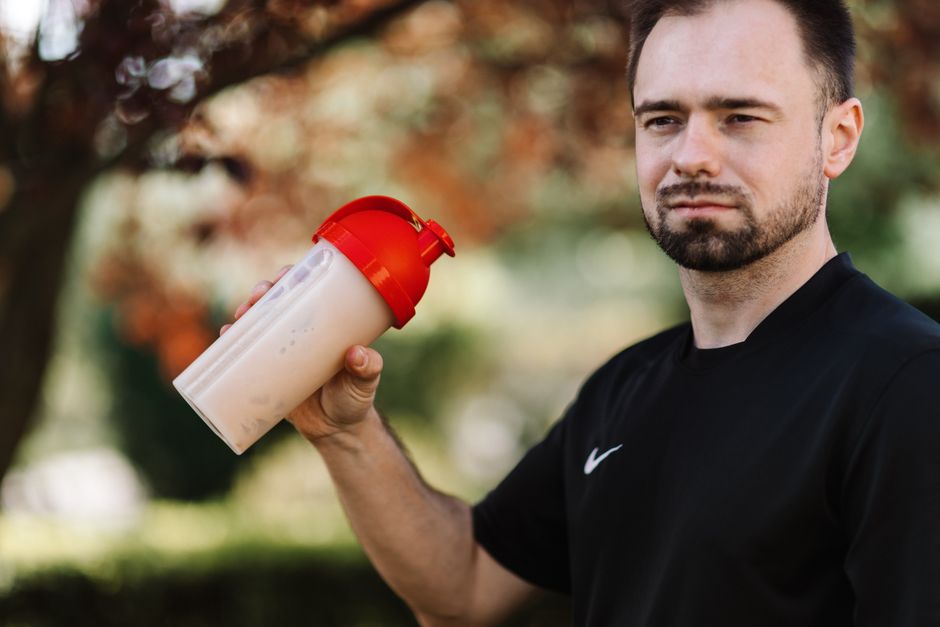
There is no single best meal replacement shake for weight loss. The one that works is the one you will actually use consistently, that fits your calorie needs, and that supplies enough protein and key nutrients to keep you healthy while you eat less. A shake is a tool for creating a calorie deficit, not a magic formula.
Most people searching for this answer want a shortcut. The honest truth is less exciting. Meal replacement shakes can help some people lose weight, mainly because they make portion control easier and remove daily food decisions. But they are not automatically better than real food, and some products are little more than sugary drinks with a vitamin label.
Do Meal Replacement Shakes Actually Help With Weight Loss?
Yes, for some people, when they replace meals rather than add to them. The weight loss comes from eating fewer calories, not from anything special in the shake itself.
Research on meal replacements is fairly consistent. Studies and reviews have found that people using meal replacement shakes tend to lose more weight in the short term than those trying to manage portions on their own, largely because the calories are fixed and measured. The effect is modest and mostly tied to adherence. People who stick with the plan lose weight. People who don’t, don’t.
The catch is what happens later. Weight regain after stopping meal replacements is common, just as it is after most diets. A shake does not change the habits that led to weight gain in the first place. That is why clinicians who use meal replacements usually pair them with some kind of structured program, not as a permanent substitute for all food.
One clarification worth making: replacing one meal a day is very different from replacing all of them. Using a shake for breakfast while eating normal meals otherwise is a common, lower-risk approach. Living entirely on shakes for weeks is a medical intervention that should be supervised.
What Should You Look For in a Weight Loss Shake?
Protein, fiber, and a realistic calorie count matter most. Sugar and marketing claims matter least.
Here is what to check on the label:
- Protein: Aim for a product with meaningful protein, roughly 15 to 30 grams per serving. Protein helps preserve muscle during weight loss and tends to keep you fuller than carbohydrates or fat alone.
- Calories: Most meal replacement shakes designed for weight loss fall between 200 and 400 calories per serving. A “shake” with 600 calories is a meal, not a diet tool, unless it is replacing a very large meal.
- Added sugar: Lower is better. Some products contain as much sugar as a soft drink. Check the grams of added sugars on the nutrition label.
- Fiber: A few grams per serving supports fullness and digestion. Many shakes are low in fiber, which is one reason they can leave you hungry an hour later.
- Fortification: A shake used to replace meals should contain added vitamins and minerals, since you are missing the nutrients from real food.
Ignore front-of-package words like “metabolism booster” or “fat burner.” No shake burns fat. The only mechanism that reliably produces weight loss is a sustained calorie deficit.
Are Meal Replacement Shakes Better Than Real Food?
No. They are more convenient and easier to portion, and that is the whole advantage. Real food is generally more filling per calorie and provides fiber, protein, and micronutrients in forms the body handles well.
Where shakes win is consistency. A shake is the same calories every time. A homemade lunch is not. For people who struggle with portion sizes or grab high-calorie food when rushed, a measured shake removes that variable.
Where shakes lose is satiety and sustainability. Liquid calories tend to be less filling than solid food, even at the same calorie count. Many people find they are hungry soon after a shake, which undermines the plan. Chewing real food also tends to be more satisfying over months, which matters because weight loss that lasts requires something you can keep doing.
The strongest approach for most people is a mix. Use a shake to replace the meal you most reliably struggle with, and eat real food for the rest. That keeps the calorie control where you need it without removing food entirely.





What Are the Risks of Relying on Shakes?
Short-term use of a well-formulated shake to replace one or two meals is generally considered low risk for healthy adults. Problems arise with extreme or prolonged use.
Risks to be aware of:
- Muscle loss: Losing weight too fast without enough protein and resistance training can mean losing muscle along with fat. This slows metabolism over time.
- Nutrient gaps: Shakes that are not properly fortified can leave you short on vitamins and minerals if they replace most of your food.
- Gallstones: Rapid weight loss is a known risk factor for gallstones. This is one reason very low calorie approaches need medical supervision.
- Unsustainable habits: If you never learn to build balanced meals, the weight tends to return once the shakes stop.
- Added sugar and low-quality ingredients: Some products are essentially dessert drinks marketed as health food.
People with diabetes, kidney disease, a history of eating disorders, or who are pregnant or breastfeeding should talk to a clinician before using meal replacements. For pregnancy and breastfeeding specifically, no clinical guidelines support using weight loss meal replacement shakes, and they should be avoided without medical guidance.
How Should You Use a Shake for Weight Loss?
Replace, don’t add. The most common mistake is drinking a shake on top of normal meals, which adds calories instead of removing them.
A practical structure that clinicians often suggest:
- Replace one meal per day, usually the one you find hardest to control, such as breakfast or lunch.
- Eat balanced meals for the others, built around protein, vegetables, and whole grains.
- Keep total daily calories in a range that creates a modest deficit, which for most adults means somewhere around 500 calories below what you burn, though the right number varies by person.
- Include protein at every meal to protect muscle.
- Add resistance training a few times a week to help preserve lean mass.
- Plan how you will transition off shakes, so the weight does not come back.
Expect gradual loss, not dramatic drops. A steady loss of about one to two pounds per week is the range most guidelines consider safe and sustainable. Faster loss is possible but harder to maintain and carries more risk.
Which Type of Shake Is Best?
There is no brand that is proven best. What matters is the nutrition profile and whether you can stick with it.
In general, a good weight loss shake has moderate calories, solid protein, modest added sugar, some fiber, and added vitamins and minerals. Whether it is dairy-based, plant-based, or a powder you mix yourself matters far less than those numbers. Powders you blend yourself are often cheaper and let you control what goes in, which can mean more protein and less sugar than ready-to-drink options.
Be skeptical of any product promising rapid results or claiming to target belly fat. Spot reduction does not work, and no shake changes that. If a claim sounds too good to be true, it is marketing.
Frequently Asked Questions
What is the best meal replacement shake for weight loss?
There is no single best brand. The best option for you has moderate calories, roughly 15 to 30 grams of protein, low added sugar, some fiber, and added vitamins and minerals, and it is one you will use consistently.
Can I lose weight by replacing two meals a day with shakes?
Yes, replacing two meals can create a larger calorie deficit and lead to faster short-term weight loss. It also raises the risk of nutrient gaps and muscle loss, so it is best done with medical guidance and enough protein.
Do meal replacement shakes work long term?
Weight regain after stopping shakes is common, just as it is after most diets. Lasting results depend on the habits you build, not on the shakes themselves.
Are meal replacement shakes safe for everyone?
No. People who are pregnant or breastfeeding, have diabetes, kidney disease, or a history of eating disorders should talk to a clinician first. No clinical guidelines support weight loss shakes during pregnancy or breastfeeding.
