
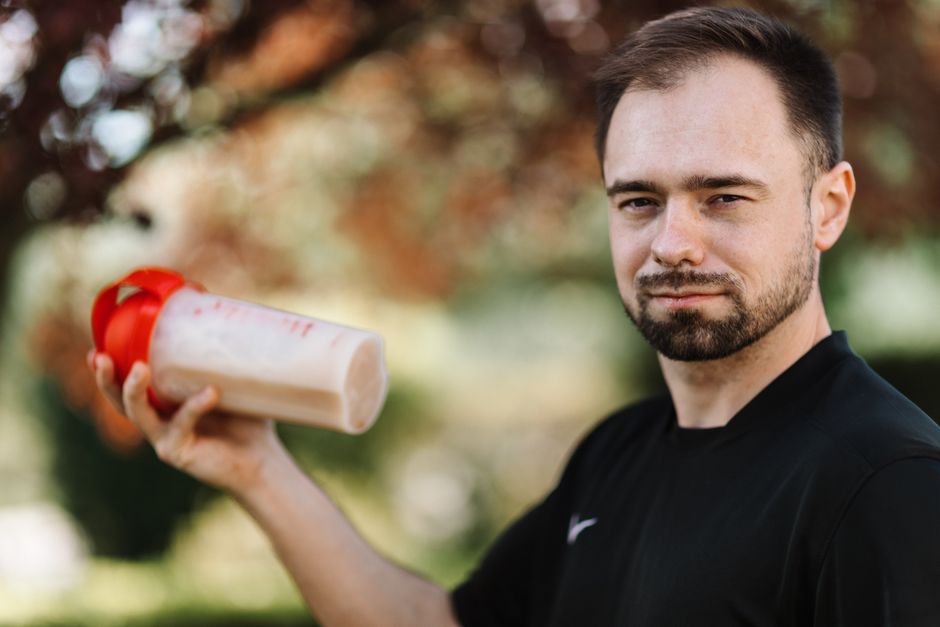
The best weight loss shake to drink is one that is high in protein, low in added sugar, and fits into your total daily calorie budget. No single brand is the best for everyone, but the right choice always comes down to reading the nutrition label and understanding what you actually need. A shake that helps you lose weight works by replacing a higher-calorie meal or snack, not by burning fat on its own.
What Makes a Shake Good for Weight Loss?
The most important factor is protein content. Protein helps you feel full after eating, which can reduce the total calories you consume later in the day. Studies consistently show that high-protein meals and snacks increase satiety more than the same number of calories from carbohydrates or fat.
Look for shakes with at least 20 grams of protein per serving. Some go higher, up to 30 grams, which is also fine for most healthy adults. The source of protein matters less than the amount. Whey, casein, soy, and pea protein all have solid evidence behind them for supporting fullness and muscle maintenance.
Fiber is the second ingredient to check. A shake with 5 to 10 grams of fiber will slow digestion and keep you satisfied longer. Many meal replacement shakes add fiber specifically for this reason.
The third factor is what is not in the shake. Added sugar is the main problem. Some commercial shakes contain 20 grams or more of sugar per serving, which is nearly the same as a candy bar. Look for shakes with 5 grams of added sugar or less. Sugar alcohols and artificial sweeteners are common alternatives, and they are generally recognized as safe in moderate amounts, though some people experience digestive discomfort from them.
Meal Replacement Shakes vs. Protein Shakes
These two categories are often confused, but they serve different purposes. A meal replacement shake is designed to stand in for a full meal. It typically contains 250 to 400 calories, along with protein, fiber, carbohydrates, and added vitamins and minerals. Using one as a lunch replacement can help you control calories if the shake genuinely satisfies you until your next meal.
A protein shake is different. It is usually lower in calories, often 100 to 200 calories per scoop, and is designed to supplement your diet rather than replace a meal. Protein shakes are useful for adding protein to your day, such as after a workout, but they are not meant to be a meal on their own.
For weight loss, the choice depends on your eating pattern. If you struggle with portion control at lunch, a meal replacement shake with adequate protein and fiber may help. If you already eat balanced meals but want to curb afternoon snacking, a protein shake between meals could be the better option.
How to Choose the Best Weight Loss Shake to Drink
The best weight loss shake to drink is the one that meets your nutritional needs and that you will actually consume consistently. Taste and texture matter in a practical way. If you dislike the flavor, you will not stick with it, and consistency is what drives results.
Here is a practical checklist to apply to any label:
- Protein: 20 grams or more per serving
- Added sugar: 5 grams or less per serving
- Fiber: 3 grams or more per serving
- Calories: 150 to 250 for a snack, 250 to 400 for a meal replacement
- Vitamins and minerals: present if using as a meal replacement
Be cautious with shakes that advertise “metabolism boosting” or “fat burning” ingredients. Caffeine and green tea extract are common additions. They may slightly increase energy expenditure, but the effect is small and does not produce meaningful weight loss on its own. No shake ingredient has been shown to burn fat directly in clinically meaningful amounts.
Also check the ingredient list for artificial additives if that matters to you. Some shakes contain thickeners and stabilizers that are harmless but unnecessary. This is a preference issue, not a health issue.
-
 What is a Good Tea to Drink for Weight Loss? A Clear Explanation
 -
What is the Best Weight Loss Program? A Clear Explanation
-
What is the Jello Trick Recipe for Weight Loss? A Clear Explanation
-
What is the Ice Hack for Weight Loss? A Simple Explanation
-
Hepatoburn Reviews & Complaints 2025. Critical Analysis Of 2 Months.





Do Weight Loss Shakes Actually Work?
Yes, but only through calorie control. Research consistently shows that meal replacement shakes can produce weight loss when they replace a meal, because they make calorie counting simpler and portion sizes predictable. A 2020 review of randomized controlled trials published in the journal Obesity Reviews found that meal replacement programs produced greater weight loss at 6 and 12 months compared to conventional reduced-calorie diets.
The mechanism is straightforward. A shake with a known calorie count removes guesswork. Many people underestimate how much they eat by 30 to 50 percent. A shake eliminates that error for one meal per day.
However, the evidence also shows that the weight returns if you stop using the shakes and go back to your previous eating habits. Shakes are a tool for calorie control, not a permanent fix. The most successful approach is to use them for a defined period, such as replacing one meal daily for several months, while building sustainable eating habits in parallel.
There is also a psychological effect worth noting. Replacing a meal with a shake can feel restrictive, and some people overeat later in response. If you notice this pattern, shakes may not be the right strategy for you.
What About Homemade Weight Loss Shakes?
Homemade shakes can be just as effective as commercial ones, and sometimes better. The advantage is full control over ingredients. You can adjust protein, fiber, and calories to your exact needs.
A simple template for a homemade meal replacement shake:
- One scoop of plain protein powder (about 20 to 25 grams of protein)
- One cup of unsweetened milk or milk alternative
- One cup of frozen fruit, such as berries or a half banana
- One tablespoon of chia seeds or ground flaxseed for fiber
- Ice and water to reach desired consistency
This typically comes to around 300 to 350 calories. The main disadvantage is the time required to prepare it. If you are busy, a commercial shake is more convenient and still effective.
Be careful with homemade versions that add nut butters, honey, granola, or full-fat yogurt. These ingredients are nutritious but calorie-dense. A “healthy” shake can easily reach 600 to 800 calories, which defeats the purpose of weight loss.
When to Drink a Weight Loss Shake
The timing matters less than the total daily calorie picture. Some people find that replacing breakfast with a shake works well because it reduces appetite for the rest of the morning. Others prefer replacing dinner, which can help with portion control at the largest meal of the day.
One practical strategy is to use a shake for the meal you are most likely to skip or overeat. If you regularly skip breakfast and then overeat at lunch, a morning shake makes sense. If dinner is your struggle because you come home hungry and tired, a shake before or instead of dinner may help.
Post-workout shakes are a separate consideration. If your goal is weight loss, a protein shake after exercise is fine, but it should be counted in your daily calorie intake. It is not “free” calories just because you exercised.
There is no evidence that drinking a shake at a specific time of day boosts metabolism or enhances fat loss. The body processes calories similarly regardless of the clock. What matters is that the shake helps you maintain a consistent calorie deficit.
Potential Downsides and Who Should Be Cautious
Shakes are not for everyone. People with kidney disease should be cautious with high-protein shakes, as excess protein can strain kidney function. If you have a diagnosed kidney condition, talk to your doctor before using protein shakes regularly.
Pregnant and breastfeeding women should not use weight loss shakes for calorie restriction without medical supervision. No clinical guidelines exist for using these products during pregnancy, and weight loss during pregnancy is generally not recommended.
People with diabetes need to check the carbohydrate content carefully. Some meal replacement shakes contain 30 to 40 grams of carbohydrates, which can affect blood sugar. Shakes formulated for diabetes management exist, but you should discuss their use with your healthcare provider.
Digestive issues are also possible. Shakes with high fiber or sugar alcohols can cause bloating, gas, or diarrhea in some people. Start with a half serving to see how your body responds.
Finally, do not rely on shakes as your only source of nutrition. Whole foods provide fiber, phytochemicals, and other compounds that are not fully replicated in processed shakes. Most experts recommend using shakes for no more than one or two meals per day, with the rest of your intake coming from whole foods.
Frequently Asked Questions
Can I lose weight by drinking only protein shakes?
No, drinking only protein shakes is not safe or sustainable. Your body needs fats, carbohydrates, fiber, and a variety of micronutrients that shakes alone do not provide in adequate amounts.
How many weight loss shakes should I drink per day?
Most evidence supports replacing one meal per day with a shake. Replacing two meals can accelerate weight loss but is harder to maintain and increases the risk of nutrient gaps.
Are expensive weight loss shakes better than cheap ones?
No, price does not determine effectiveness. The nutrition label matters more than the brand, and many affordable shakes meet the same protein and sugar criteria as premium products.
Will I gain the weight back after I stop drinking shakes?
Weight regain is common if you return to your previous eating habits. Shakes work only while they help you maintain a calorie deficit, so building sustainable habits during use is essential.
