
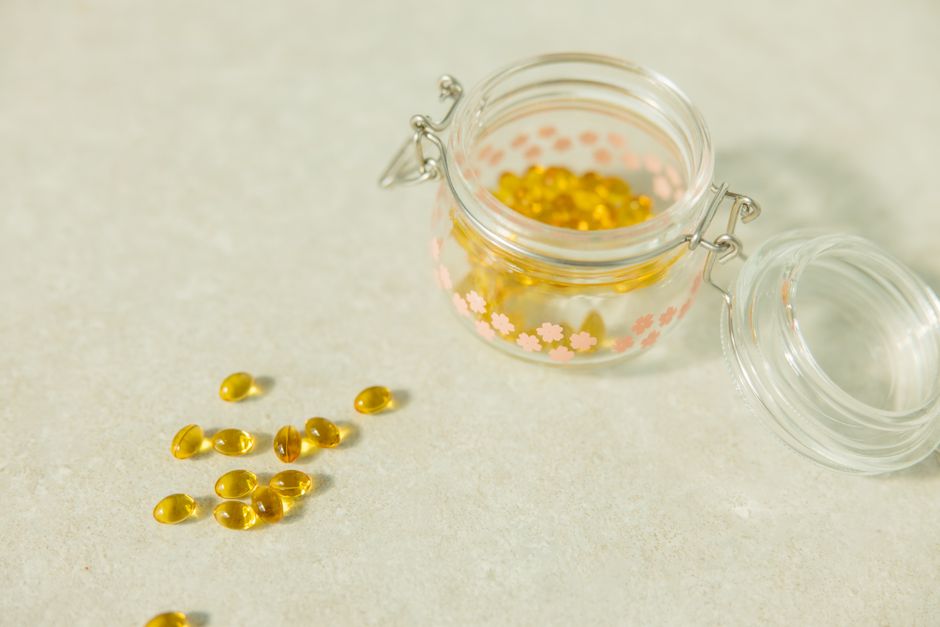
The phrase “best estrogen supplement” is a bit of a trap. Most products sold as estrogen supplements do not actually contain estrogen. They contain plant compounds called phytoestrogens, which are much weaker than the estrogen your body makes. For women with low estrogen from menopause, surgical removal of the ovaries, or certain medical conditions, the most effective approach is prescription bioidentical hormone therapy, not an over-the-counter pill. If you are looking for a natural option to ease mild symptoms, the best choice depends on your specific symptoms, your health history, and the quality of the research behind the ingredient. No single supplement works for every woman, and the most important step is understanding what you are actually buying.
What Is The Best Estrogen Supplement For Women?
There is no single best estrogen supplement because no over-the-counter supplement contains actual estrogen. The closest options are phytoestrogen supplements, which are plant-based compounds that can weakly bind to estrogen receptors in the body. The most studied phytoestrogens are isoflavones from soy and red clover, and lignans from flaxseed.
For women who need real estrogen replacement—such as those with severe menopause symptoms or early menopause—prescription estrogen therapy is the medical standard. Over-the-counter products are not a substitute for this. They are best viewed as options for mild symptoms or for women who cannot or choose not to use prescription hormones.
What Are Phytoestrogens and How Do They Work?
Phytoestrogens are naturally occurring plant compounds that share a structural similarity with human estrogen. Because of that similarity, they can bind to estrogen receptors in the body, though their effect is far weaker than the estrogen produced by your ovaries.
Their action is complicated. In some tissues, phytoestrogens act like a weak estrogen. In others, they may block the stronger natural estrogen from binding. This is why research results vary so much. The effect depends on your own hormone levels, the dose, and even the bacteria in your gut, which help convert some phytoestrogens into more active forms.
The three main types you will see in supplements are:
- Soy isoflavones – the most widely studied, found in soybeans and soy products
- Red clover isoflavones – a common ingredient in menopause supplements
- Flaxseed lignans – plant compounds that convert to weak estrogen-like substances in the gut
Does Soy Isoflavone Supplementation Actually Reduce Hot Flashes?
Some research suggests soy isoflavones can reduce hot flash frequency and severity, but the effect is modest. A review of multiple studies found that women taking soy isoflavones experienced fewer hot flashes than those taking a placebo, but the difference was not dramatic. Some women notice a clear improvement; others notice nothing at all.
The variability likely comes down to how your body processes isoflavones. About 30 to 50 percent of people have gut bacteria that convert a soy compound called daidzein into equol, a substance with stronger estrogen-like activity. People who produce equol tend to get more benefit from soy. There is no simple home test for this, and supplement labels do not tell you whether you are an equol producer.
If you try soy isoflavones, the typical dose used in studies is 40 to 80 mg per day of total isoflavones. This is a general research dose, not a formal recommendation. Always check the supplement label because isoflavone content varies widely between products.



What About Red Clover for Menopause Symptoms?
Red clover contains four different isoflavones, and it became popular as a menopause remedy in the 1990s. The evidence is mixed. Some studies report small reductions in hot flashes, while others find no difference compared with placebo.
A notable issue with red clover research is that many of the early studies were small or poorly designed. When higher-quality trials are examined separately, the benefit becomes less clear. Some research suggests red clover may help with hot flashes in some women, but it is not consistent enough to recommend it as a reliable treatment.
Red clover supplements are generally well tolerated, but they can interact with blood-thinning medications like warfarin. If you take any prescription medication, check with your doctor or pharmacist before starting red clover.
Are There Other Natural Options Worth Considering?
Flaxseed is a food source of lignans, and some small studies suggest ground flaxseed may modestly reduce hot flashes. The evidence is weaker than for soy, and the studies are smaller. Eating ground flaxseed in food is a reasonable approach, but concentrated flaxseed supplements have not been well studied for menopause symptoms.
Black cohosh is another popular herb for menopause symptoms, but it is not a phytoestrogen. It does not bind to estrogen receptors. Some research suggests it may help with hot flashes, but the evidence is inconsistent, and the mechanism is not well understood. Liver toxicity has been reported in rare cases with black cohosh, though it is unclear if the herb itself caused the damage. If you have liver disease, avoid it.
Evening primrose oil and ginseng are sometimes marketed for menopause symptoms, but clinical evidence does not support their use for hot flashes. Evening primrose oil has been studied specifically for hot flashes and found no benefit over placebo.
When Should You Consider Prescription Estrogen Instead?
Prescription estrogen therapy is the most effective treatment for moderate to severe hot flashes and night sweats. It is also the standard treatment for preventing bone loss in women at high risk of osteoporosis. No over-the-counter supplement comes close to matching its effectiveness.
Estrogen therapy is not right for everyone. Women with a history of breast cancer, uterine cancer, blood clots, or unexplained vaginal bleeding should not take systemic estrogen without a thorough discussion with their doctor. The decision involves weighing your personal risk factors, and it should be made with a healthcare provider who knows your full history.
If your symptoms are mild and you prefer to avoid prescription hormones, a phytoestrogen supplement might be worth trying. If your symptoms are disrupting your sleep, work, or daily life, prescription options are more likely to help. There is no shame in needing real estrogen replacement, and many women find it life-changing.
How to Choose a Safe Supplement
Because the FDA does not review supplements for safety or effectiveness before they are sold, the burden falls on you to choose carefully. Look for products that have been tested by an independent third-party organization such as USP, NSF International, or ConsumerLab. These organizations verify that the product contains what the label claims and does not contain harmful contaminants.
Be wary of products that claim to contain “natural estrogen” or “plant estrogen” without specifying the source. These vague labels are marketing, not science. A legitimate product will list the specific ingredient, such as soy isoflavones or red clover extract, and the amount per serving.
Avoid products with proprietary blends that do not list individual ingredient amounts. You cannot evaluate a dose you cannot see. Also be cautious about multi-ingredient “menopause formulas” that combine many herbs. If you have a reaction, you will not know which ingredient caused it, and some combinations have not been studied together.
Tell your doctor about any supplement you are taking. Some supplements interact with medications, and your doctor needs the full picture to provide safe care. This is especially important if you take blood thinners, tamoxifen, or aromatase inhibitors for breast cancer.
What the Research Does and Does Not Show
The honest summary is this: phytoestrogen supplements may help some women with mild menopause symptoms, but the evidence is not strong enough to guarantee results. The most consistent findings are for soy isoflavones, and even those show only modest benefit.
No high-quality study has shown that any over-the-counter supplement is as effective as prescription estrogen for treating hot flashes or preventing bone loss. If a product promises dramatic results, that claim is not supported by evidence.
Some research has raised questions about whether phytoestrogens are safe for women with a history of breast cancer. Because these compounds can weakly activate estrogen receptors, some experts advise caution. There is no clear evidence that dietary soy is harmful for breast cancer survivors, but concentrated supplements are a different matter. The American Cancer Society generally considers moderate consumption of soy foods safe for breast cancer survivors, but concentrated isoflavone supplements have not been proven safe in this population. If you have had breast cancer, do not take phytoestrogen supplements without discussing it with your oncologist.
Frequently Asked Questions
What is the safest estrogen supplement for menopause?
No over-the-counter supplement is proven safe and effective for all women. Soy isoflavones have the most research behind them, but even they only help some women. Prescription estrogen therapy is the safest option when it is prescribed by a doctor who has reviewed your health history.
Can I raise my estrogen levels naturally without supplements?
Dietary changes alone cannot significantly raise estrogen levels in women who are in menopause. Eating soy foods or flaxseed may produce weak estrogen-like effects, but these are far weaker than prescription estrogen and are not a treatment for low estrogen.
Are estrogen supplements safe for women with breast cancer?
Concentrated phytoestrogen supplements have not been proven safe for breast cancer survivors. Because these compounds can weakly activate estrogen receptors, most oncologists advise against them. Talk to your oncologist before taking any phytoestrogen supplement.
How long does it take for phytoestrogen supplements to work?
Most studies that show benefit run for at least 8 to 12 weeks. If you notice no improvement after three months of consistent use, the supplement is unlikely to help you, and continuing it may not be worth the cost.
