
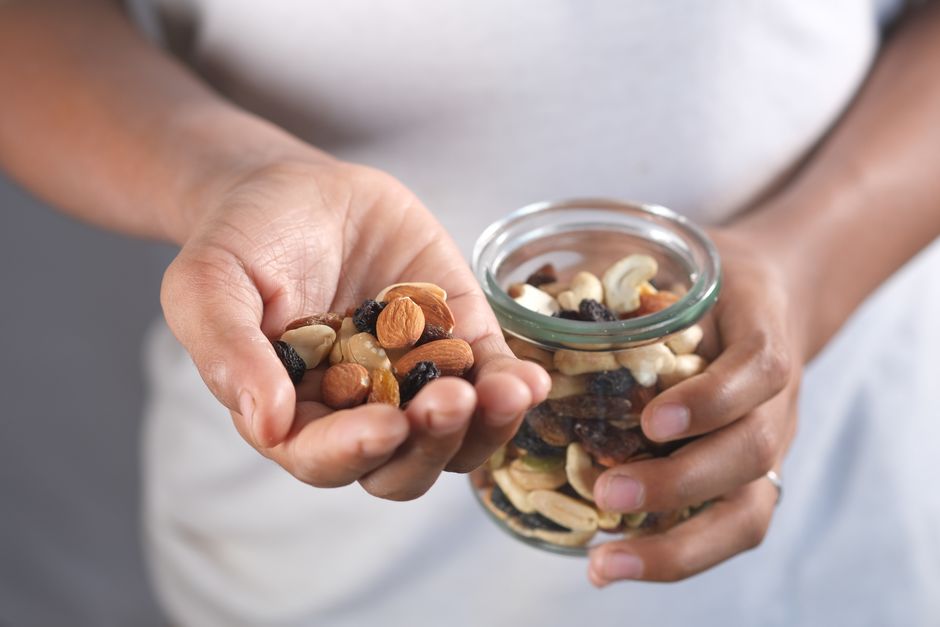
Cashews do not meaningfully increase or block estrogen in the human body. The idea that they do comes from plant compounds called phytoestrogens, but cashews contain very little of these compared to soy or flaxseed. Eating cashews in normal amounts will not change your hormone levels in any measurable way.
What Are Phytoestrogens and Why Do People Ask About Them?
Phytoestrogens are natural compounds found in plants. Their chemical structure looks somewhat like human estrogen, which is why they get attention. Some people worry these compounds act like estrogen in the body. Others hope they block estrogen and reduce cancer risk.
The truth is more subtle. Phytoestrogens can bind to estrogen receptors in laboratory settings. But they bind much more weakly than the estrogen your body makes on its own. In real human bodies, the effect is usually too small to notice.
Cashews are not a major source of phytoestrogens anyway. Foods like soybeans, flaxseed, and sesame seeds contain far higher amounts. If you are eating cashews for their phytoestrogen content, you are eating the wrong food for that purpose.
Do Cashews Increase Estrogen Or Actually Block It?
Cashews do neither in any clinically meaningful way. The amount of phytoestrogens in a serving of cashews is tiny. Your body’s own estrogen production dwarfs any effect these plant compounds could have.
Some research has looked at whether phytoestrogens block estrogen receptors and reduce breast cancer risk. The evidence here is mixed. Some studies suggest a protective effect from diets rich in soy. Others find no effect at all. None of this research specifically points to cashews as a meaningful player.
If you are eating a handful of cashews as a snack, you can let go of any concern about estrogen. The science does not support the worry. Cashews are a nutritious food with healthy fats, protein, and minerals like magnesium and zinc.
What the Research Actually Shows About Nuts and Hormones
Research on nuts and hormones focuses mostly on walnuts, almonds, and pistachios. Studies have looked at whether these nuts affect testosterone, estrogen, or other reproductive hormones. The findings are generally reassuring.
One consistent finding is that nuts do not disrupt hormone balance in healthy adults. A study on pistachios in men with erectile dysfunction found improvements in cholesterol and blood flow, not hormone disruption. Research on walnuts has focused on heart health benefits, not hormonal changes.
Cashews specifically have not been the subject of hormone studies. That absence of research is itself informative. If cashews caused noticeable estrogen changes, researchers would likely have noticed and studied it by now.



Why the Myth Persists Online
The cashew estrogen myth spreads through wellness blogs and social media. It often gets mixed up with legitimate concerns about other foods. Soy gets the most attention for phytoestrogens, and some people generalize that fear to all plant foods.
Another source of confusion is the word “phytoestrogen” itself. It sounds alarming. But the presence of a plant compound does not mean it acts like human estrogen. Many phytoestrogens have antioxidant properties that have nothing to do with hormone receptors.
There is also a persistent myth that eating cashews increases breast size in men or women. No clinical evidence supports this. Breast tissue growth requires significant hormonal stimulation that cashews cannot provide.
Cashew Nutrition Facts You Should Know
Cashews are a reasonable snack choice for most people. A one-ounce serving is about 18 cashews. That serving provides roughly 157 calories, 12 grams of fat, and 5 grams of protein.
The fat in cashews is mostly monounsaturated, the same heart-healthy type found in olive oil and avocados. Cashews also provide copper, magnesium, and phosphorus. These minerals support bone health, energy production, and immune function.
One thing to watch is portion size. Cashews are calorie-dense. Eating them by the handful from a large bag can add significant calories without you noticing. Pre-portioning into small containers or bags helps keep portions reasonable.
Who Should Actually Be Careful About Estrogen in Food?
People with hormone-sensitive cancers sometimes ask whether they should avoid phytoestrogens. This includes breast cancer and prostate cancer. The current evidence does not support a blanket warning against phytoestrogen-containing foods.
Some cancer organizations have noted that soy foods appear safe for breast cancer survivors. The same logic applies to cashews and other nuts. They are not a source of concern for hormone-sensitive conditions.
If you have a specific medical condition affecting your hormones, talk to your doctor or a registered dietitian. They can give you personalized advice based on your situation. General dietary guidance for most people does not include avoiding cashews for hormonal reasons.
Other Foods With Real Phytoestrogen Content
If you are curious about phytoestrogens in food, here are the foods that actually contain meaningful amounts:
- Soy products — tofu, tempeh, edamame, and soy milk contain isoflavones, the most studied phytoestrogens
- Flaxseed — contains lignans, another type of phytoestrogen
- Sesame seeds — also contain lignans in moderate amounts
- Legumes — beans, lentils, and chickpeas contain smaller amounts
- Whole grains — oats, barley, and rye contain trace amounts
Even these foods do not cause dramatic estrogen changes in healthy adults. The concern is mostly theoretical. Your liver processes these compounds quickly, and your body’s own hormone regulation systems are far more powerful.
Should You Change How You Eat Cashews?
No. Cashews are a healthy food for most people. They provide beneficial fats, protein, and minerals. There is no evidence that they affect your estrogen levels in any way that matters.
The only reason to limit cashews is calorie control. If you are watching your weight, measure your portions. A serving is about one ounce, or roughly 18 nuts. That is a reasonable snack.
People with tree nut allergies should avoid cashews completely. An allergic reaction can be severe and requires immediate medical attention. This is the only clear reason to avoid cashews.
Frequently Asked Questions
Do cashews contain phytoestrogens?
Yes, cashews contain trace amounts of phytoestrogens, but far less than soy, flaxseed, or sesame seeds. The amount is too small to affect hormone levels in the body.
Can eating cashews lower testosterone?
No clinical evidence shows cashews lower testosterone in men. Cashews provide zinc and magnesium, minerals that support normal testosterone production rather than reducing it.
Are cashews safe for people with hormone-sensitive breast cancer?
Current evidence does not indicate that cashews or other nuts are harmful for people with hormone-sensitive cancers. Always discuss your diet with your oncology team for personalized guidance.
How many cashews can I eat per day?
A standard serving is about one ounce, or roughly 18 cashews. This provides about 157 calories and is a reasonable daily portion for most healthy adults.
