
If you are looking for the best EAA supplement for muscle recovery, the honest answer is the one that provides all nine essential amino acids in effective doses without unnecessary fillers. Essential amino acids are the building blocks your body cannot produce on its own, so you must get them from food or supplements. Research consistently shows that consuming a complete EAA profile after training can stimulate muscle protein synthesis and support recovery, making a balanced, third-party-tested product the most reliable choice.
What Are Essential Amino Acids and Why Do They Matter?
Your body uses amino acids to build and repair muscle tissue. Of the 20 amino acids that make up human protein, nine are considered essential. Your body cannot make them, so they must come from your diet. The nine essential amino acids are histidine, isoleucine, leucine, lysine, methionine, phenylalanine, threonine, tryptophan, and valine.
Leucine deserves special attention. It is the primary trigger for muscle protein synthesis. Without enough leucine, the other amino acids have limited effect on building muscle. Most effective EAA supplements contain a higher proportion of leucine for this reason.
Whole food protein sources like eggs, chicken, fish, and dairy naturally provide all nine essential amino acids. EAA supplements are a convenient alternative when whole food is not available, such as immediately after a workout or during travel.
How Do EAAs Compare to BCAAs?
Branched-chain amino acids (BCAAs) include only three amino acids: leucine, isoleucine, and valine. They were popular for years, but the evidence now points to a clear limitation. BCAAs alone do not provide all the materials your body needs for muscle repair. Your body needs all nine essential amino acids to rebuild protein effectively.
EAAs include the three BCAAs plus the other six essential amino acids. This makes them a more complete option for muscle recovery. Some research suggests that consuming the full EAA profile produces a greater anabolic response than BCAAs alone. If you are choosing between the two, EAAs are the more evidence-based choice for recovery support.
That said, if you already eat adequate protein throughout the day, you may not need either supplement. EAA supplements are not magic. They simply provide amino acids that your body would otherwise get from food.
What Is The Best Eaa Supplement For Muscle Recovery?
The best EAA supplement for muscle recovery is one that delivers a complete profile of all nine essential amino acids in clinically relevant doses. Look for a product that contains at least 6 to 10 grams of EAAs per serving, with leucine making up a meaningful portion of that total.
Avoid products that hide their amino acid amounts behind proprietary blends. A proprietary blend lists combined ingredients without individual doses, which means you cannot verify what you are actually consuming. Transparent labeling is a sign of a credible manufacturer.
Third-party testing is another important factor. Supplements are not regulated by the FDA before they reach the market. Independent testing from organizations like NSF International or Informed Sport verifies that the product contains what the label claims and does not contain banned substances. This matters especially if you are an athlete subject to drug testing.





What Form of EAA Supplement Works Best?
EAA supplements come in powder, capsule, and liquid forms. Powders are the most common and generally the most cost-effective. They mix easily with water and can be consumed quickly after a workout.
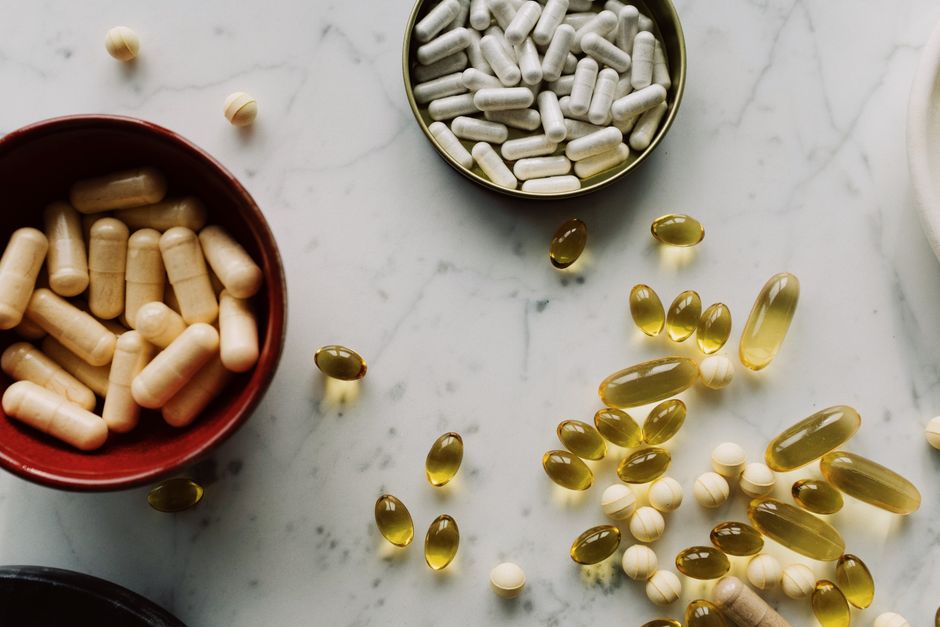
Capsules are convenient for travel but typically require taking many pills to reach an effective dose. A 10-gram serving of EAAs might require 10 or more capsules. This makes capsules impractical for most people.
Flavored powders often contain artificial sweeteners and colors. If you prefer to avoid these, look for unflavored options. Unflavored EAAs do not taste great on their own, but they mix well with juice, sports drinks, or smoothies without adding artificial ingredients.
When Should You Take EAAs for Recovery?
Timing matters less than total daily intake. Research on the anabolic window has evolved over the years. The old idea that you must consume protein within 30 minutes after training is not supported by current evidence. What matters more is that you consume adequate protein throughout the day.
That said, taking EAAs around your workout can be practical. Many people find it convenient to mix a serving of EAAs in water and sip it during training. This ensures amino acids are available to your muscles during exercise and immediately after.
If you train fasted, EAAs before or during your workout may be especially beneficial. Fasted training means your body has no recent protein intake to draw from. Providing EAAs during this time can help support muscle protein synthesis and reduce muscle breakdown.
How Much EAA Do You Actually Need?
Research on EAA dosing has produced some consistent findings. A dose of 6 to 10 grams of EAAs appears sufficient to stimulate muscle protein synthesis in most individuals. This aligns with the amount of essential amino acids found in a typical serving of high-quality protein food.
Leucine content is the key variable. Studies suggest that approximately 2 to 3 grams of leucine per serving is needed to maximally stimulate muscle protein synthesis in younger adults. Older adults may need slightly more leucine due to anabolic resistance, a condition where muscles become less responsive to amino acid stimulation.
Your total daily protein intake matters more than supplement timing. The recommended dietary allowance for protein is 0.8 grams per kilogram of body weight per day, but this is the minimum to prevent deficiency. For active individuals aiming to build or maintain muscle, research generally supports a higher intake of 1.2 to 2.0 grams per kilogram of body weight per day.
What Does the Evidence Say About EAA Supplements?
Studies on EAA supplementation for muscle recovery have produced generally positive but modest results. Consuming EAAs after resistance training does stimulate muscle protein synthesis. Some research suggests this can speed recovery and reduce muscle soreness in the days following intense exercise.
The evidence is less clear on whether EAA supplements alone build more muscle than adequate dietary protein. If you already consume enough protein from food, adding an EAA supplement may provide little additional benefit. The supplement is most useful when whole food protein is not practical or when you want a quick-digesting option around training.
Some research suggests that consuming EAAs with carbohydrates may improve recovery by replenishing glycogen stores while providing amino acids for repair. This combination may be more effective than EAAs alone, particularly after endurance exercise or high-volume training sessions.
Are There Any Risks or Side Effects?
EAA supplements are generally well tolerated by healthy adults when taken at recommended doses. Some people experience mild gastrointestinal discomfort, especially when taking them on an empty stomach. Starting with a smaller dose can help you assess your tolerance.
People with certain medical conditions should be cautious. If you have kidney disease or a metabolic disorder that affects amino acid processing, talk to your doctor before taking EAA supplements. The same applies if you are pregnant or breastfeeding, as clinical guidelines for supplement use in these populations are limited.
One common misconception is that more is better. Taking excessive doses of EAAs does not provide additional muscle-building benefit. Your body will simply break down and excrete the excess amino acids. Stick to the serving size listed on the product label.
What About Whole Foods vs. Supplements?
Whole food protein sources are the gold standard. They provide amino acids along with other nutrients like vitamins, minerals, and bioactive compounds that supplements cannot replicate. A chicken breast, for example, provides protein plus B vitamins, selenium, and other nutrients.
Supplements serve a specific purpose. They are convenient, digest quickly, and can be consumed immediately around training without the need for meal preparation. They are not superior to whole foods, and they should not replace them.
If your diet already includes adequate protein from whole food sources, an EAA supplement is an optional addition, not a necessity. If you struggle to meet your protein needs or train in situations where food is impractical, a quality EAA supplement can fill that gap effectively.
Frequently Asked Questions
How long does it take for EAA supplements to work?
EAAs begin entering your bloodstream within 15 to 30 minutes of consumption. You may notice reduced soreness within a few days of consistent use, but muscle recovery is a gradual process influenced by your overall diet and training.
Can I take EAAs every day?
Yes, EAAs are safe for healthy adults to take daily at recommended doses. They are simply amino acids that your body uses for protein synthesis, similar to what you get from food.
Are EAAs better than whey protein for recovery?
Whey protein contains all nine essential amino acids plus non-essential amino acids, making it a complete protein source. EAAs digest faster but do not provide the full amino acid profile that whey does. Both are effective, and the choice depends on your preference and dietary needs.
