
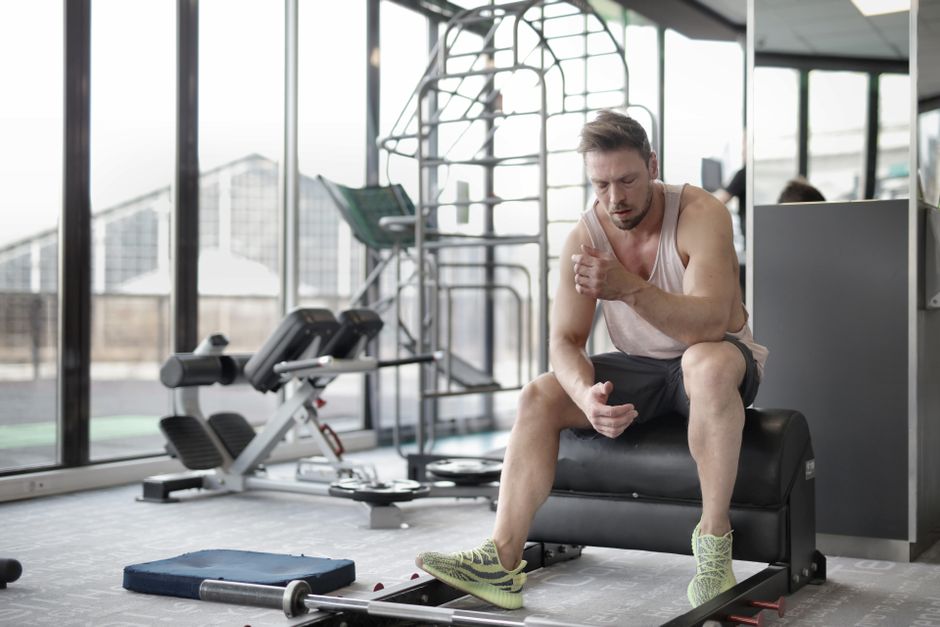
The best ab workout is one that combines compound strength movements with targeted core exercises, performed consistently three to four times per week. No single move or machine will give you visible abs on its own. The real answer involves building muscle through progressive overload while reducing body fat through your diet. Here is what the research actually says about getting stronger, more defined abdominal muscles.
What Does Research on the Best Ab Workout Show?
Studies published in the Journal of Orthopaedic & Sports Physical Therapy have measured muscle activation across dozens of ab exercises. The research consistently finds that the bicycle crunch produces the highest activation in the rectus abdominis — the “six-pack” muscle. The captain’s chair leg raise and the reverse crunch follow closely behind.
But muscle activation alone does not tell the whole story. A 2021 review in Sports Medicine looked at how the core functions during real movement. The researchers concluded that exercises requiring stability — like planks and deadlifts — engage the deep abdominal muscles more effectively than crunches alone. These deeper muscles, including the transversus abdominis, provide the foundation for a strong midsection.
The evidence points to a clear conclusion: the best ab workout includes both movement-based exercises like crunches and stability-based exercises like planks. You need both for balanced development.
What Is the Best Ab Workout for Visible Results?
Visible abs come from two things: muscle size and low body fat. You cannot spot-reduce fat from your stomach. The American Council on Exercise states that no amount of crunches will burn belly fat. You lose fat from your entire body based on your calorie deficit, not which exercises you do.
For most men, visible abs require body fat around 10 to 15 percent. For most women, the range is 18 to 22 percent. These numbers come from the National Institutes of Health body composition guidelines. If you are above these ranges, your ab muscles will stay hidden regardless of how many crunches you do.
The best approach is simple: train your abs like any other muscle group. Use progressive overload — increase the difficulty over time. Do not do hundreds of reps. Aim for 8 to 15 controlled reps with added weight or harder variations.
How Often Should You Train Your Abs?
Research shows that abdominal muscles recover faster than most other muscle groups. A study in the Journal of Strength and Conditioning Research found that the rectus abdominis can be trained three to four times per week without overtraining. This is because the core is designed for constant activation during daily movement.
Train your abs three times per week on non-consecutive days. Each session should include three to four exercises. Perform two to three sets of each exercise. Rest 60 seconds between sets. This volume is supported by the American College of Sports Medicine resistance training guidelines for muscle growth.
Do not train abs every day. They need recovery time just like any other muscle. Training them daily does not speed up results and can lead to poor form and lower back strain.




What Are the Most Effective Ab Exercises?
The table below shows the top exercises ranked by muscle activation and functional benefit. The data comes from electromyography (EMG) studies published in peer-reviewed journals.
| Exercise | Primary Muscle | Muscle Activation | Difficulty Level |
|---|---|---|---|
| Bicycle Crunch | Rectus Abdominis | Very High | Intermediate |
| Captain’s Chair Leg Raise | Rectus Abdominis / Hip Flexors | High | Intermediate |
| Plank | Transversus Abdominis | Moderate | Beginner |
| Dead Bug | Deep Core Stabilizers | Moderate | Beginner |
| Cable Crunch | Rectus Abdominis | High | Intermediate |
| Hanging Leg Raise | Lower Rectus Abdominis | Very High | Advanced |
Choose two exercises from the top half of the table and two from the bottom half for each workout. This ensures you target both the superficial six-pack muscles and the deep stabilizers.
What Common Mistakes Ruin Ab Workouts?
The biggest mistake people make is using momentum instead of muscle control. When you swing your legs or jerk your torso, you reduce tension on the abs and increase stress on the hip flexors and lower back. A study in Spine found that uncontrolled movement during ab exercises is a leading cause of lower back discomfort.
Here are the most common errors to avoid:
- Pulling on your neck during crunches — keep your hands lightly behind your head
- Holding your breath — exhale during the hard part of each rep
- Arching your lower back off the floor during leg raises
- Doing the same exercises every session without increasing difficulty
- Believing ab exercises burn belly fat — they do not
Another mistake is ignoring your diet. You can do the best ab workout in the world, but if you eat in a calorie surplus with low protein intake, your abs will not show. The Dietary Guidelines for Americans recommend a balanced calorie deficit of 500 calories per day for fat loss. Combine this with adequate protein — about 0.7 grams per pound of body weight — to preserve muscle while losing fat.
Does What Is the Best Ab Workout Include Equipment?
You do not need equipment to get strong abs. Bodyweight exercises like planks, crunches, and leg raises are effective for beginners. Research from the University of Wisconsin found that bodyweight ab exercises can produce muscle activation levels comparable to weighted exercises when performed with proper form.
However, adding resistance accelerates progress. Once you can perform 15 controlled reps of a bodyweight exercise, add weight. Use a weighted plate on your chest during crunches or hold a dumbbell between your feet during leg raises. Cable machines and ab rollers also provide adjustable resistance that allows for progressive overload.
Do not waste money on ab-specific gadgets. The Federal Trade Commission has fined multiple companies for making false claims about ab belts, rollers, and vibrating platforms. These devices do not produce results beyond what a simple floor workout provides. Stick to proven methods: bodyweight exercises, free weights, and cables.
What to Avoid in the Search for the Best Ab Workout
Social media is full of ab workouts that promise results in seven days. These claims are not supported by any clinical evidence. Muscle growth takes weeks, and fat loss takes months. Any program claiming otherwise is selling something.
Avoid exercises that cause pain in your lower back or neck. The National Academy of Sports Medicine warns that poor form during crunches and sit-ups can strain the cervical spine. If an exercise hurts, stop and try a different variation. The dead bug is a safer alternative for people with back issues.
Do not chase the burn. Muscle fatigue during ab exercises is normal, but intense burning often indicates lactic acid buildup from high reps with light resistance. This does not equal muscle growth. Focus on controlled, heavy movements instead.
Common Misconceptions About Ab Workouts
Many people believe that doing ab exercises every day will speed up results. This is not true. Muscle tissue breaks down during exercise and rebuilds during rest. Without rest days, you prevent that rebuilding process. The National Strength and Conditioning Association recommends 48 hours of recovery between intense ab sessions.
Another misconception is that you need to feel your abs working for the exercise to be effective. Some deep core exercises, like the plank and dead bug, generate internal tension without obvious movement. This is normal. The transversus abdominis is not visible, but it is essential for core strength and injury prevention.
Some people report that ab exercises cause lower back pain. This is widely claimed though strong evidence is limited. In most cases, the pain comes from poor form or weak glutes and hamstrings. Strengthening your posterior chain — glutes, hamstrings, and lower back — often resolves the issue. Exercises like deadlifts and glute bridges support ab training by improving pelvic stability.
Frequently Asked Questions
Can I get six-pack abs from only ab exercises?
No. Visible abs require low body fat, which comes from diet and full-body exercise. Ab exercises build muscle but cannot burn belly fat.
How long does it take to see results from ab workouts?
With consistent training and a calorie deficit, most people see changes in 8 to 12 weeks. Muscle growth and fat loss both take time.
Is it safe to do ab exercises every day?
No. Ab muscles need recovery time like any other muscle. Train them three to four times per week with at least 48 hours between intense sessions.
Do ab belts or electronic stimulators work?
No. The Federal Trade Commission has cited companies for false claims. These devices do not reduce fat or build noticeable muscle.
