
You are mid-set, muscles burning, pushing through the final rep of a heavy squat. Then it starts. Your legs begin to quiver uncontrollably. The barbell wobbles. You feel like you might collapse. This shaking is incredibly common, but it is not something you have to live with forever. The key to stopping it for good is understanding that muscle shaking during exercise is primarily a signal from your nervous system, not just a sign of a great workout. By addressing the specific causes—fuel, hydration, breathing, and nervous system fatigue—you can train harder and more safely without the tremor.
What Actually Causes Muscle Shaking During a Workout?
Muscle shaking is not one single thing. It is a symptom with several possible roots. The most common reason is simple fatigue. When you push a muscle to its limit, not all motor units can fire at once. Some get tired and drop out. Your nervous system scrambles to recruit fresh ones. This rapid switching between active and resting fibers creates an unsteady contraction. That is the shake you feel.
Another common cause is low blood sugar. Your muscles run on glucose. If you have not eaten enough before a workout, your body runs low on fuel. The brain and nervous system are sensitive to this drop. Shaking can be an early warning sign of hypoglycemia. This is especially true for morning fasted workouts or very long cardio sessions.
Dehydration and electrolyte imbalance also play a major role. Sodium, potassium, calcium, and magnesium are critical for nerve signaling and muscle contraction. When you sweat heavily and only replace water, these levels drop. Without enough electrolytes, your nerves misfire. The result is that telltale quiver. Caffeine can amplify this effect because it is a diuretic and a nervous system stimulant. Too much pre-workout caffeine can directly cause jitteriness that mimics muscle fatigue shakes.
Does How To Stop Shaking During A Workout For Good Actually Work?
Yes, stopping the shaking for good is absolutely possible. But it requires a systematic approach rather than a quick fix. The strategy that works best is prevention through proper fueling and hydration. Research published in the Journal of the International Society of Sports Nutrition has found that eating a balanced meal containing carbohydrates and protein 2-3 hours before exercise significantly reduces the risk of hypoglycemia-related shaking.
For hydration, the American College of Sports Medicine recommends drinking 16-20 ounces of water four hours before exercise and another 8-12 ounces 10-15 minutes before starting. For workouts lasting over an hour or in hot conditions, an electrolyte drink is smarter than plain water. These steps address the two most common causes—fuel and electrolyte depletion—at their source. When you consistently apply them, the shaking stops before it starts.
There is one thing that does not work well: simply pushing through the shakes. While it is true that some shaking is harmless fatigue, forcing your way through it repeatedly can train your nervous system to fire inefficiently. You build a habit of poor coordination. The better approach is to stop, assess the cause, and adjust. That might mean lowering the weight, taking a rest, or eating a banana.
What Does Research on Muscle Tremors During Exercise Show?
Research on exercise-induced muscle tremors is clear on one point: they are not inherently dangerous. A study in Sports Medicine reviewed the phenomenon and concluded that most shaking during resistance training is a normal physiological response to high-intensity effort. It is not a sign of injury. However, the same research notes that persistent shaking can indicate a technique breakdown that increases injury risk if ignored.
There is less research on long-term solutions because the condition is self-limiting for most people. Once you stop exercising, the shaking stops. But studies on athletes who train in hot environments show a strong link between electrolyte loss and muscle cramping and trembling. The National Athletic Trainers’ Association has published position statements emphasizing that replacing sodium and potassium during prolonged exercise significantly reduces neuromuscular symptoms.
One overlooked finding is the role of the central nervous system. Research from the University of Copenhagen has shown that the brain itself gets fatigued during intense exercise. This central fatigue reduces your ability to coordinate muscle firing smoothly. The practical takeaway is that mental fatigue matters. If you are sleep-deprived or mentally drained, you are more likely to shake. Recovery between workouts is not just for muscles—it is for your nervous system too.


What Are the Most Effective Immediate Actions to Stop Shaking?
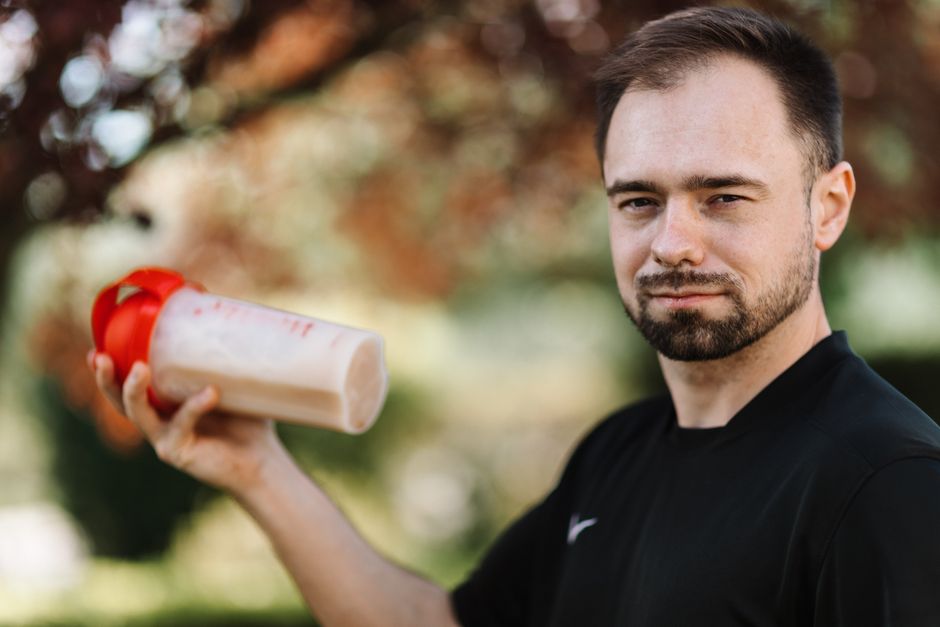
When you start shaking mid-workout, the first step is to stop what you are doing. Set the weight down. Do not try to fight through it. Then assess what you have eaten and drunk in the past few hours. If you have not eaten in 4-6 hours, your blood sugar is likely low. Eat a fast-digesting carbohydrate like a piece of fruit or drink a sports beverage. Within 10-15 minutes, the shaking should subside if fuel was the issue.
If food is not the problem, check your breathing. Many people hold their breath during heavy lifts. This increases intra-abdominal pressure but also starves the muscles of oxygen. Shallow, held breath triggers a stress response that amplifies tremors. Reset with a deep belly breath. Inhale for four seconds, hold for two, exhale for four. This calms the nervous system directly.
For shaking caused by electrolyte imbalance, drink something with sodium and potassium. Coconut water, a sports drink, or even salted water works. Do not just chug plain water. That can dilute your blood sodium further and make things worse. If the shaking is in a specific muscle group like your quadriceps or biceps, try lightly stretching that muscle for 15-30 seconds. Gentle lengthening can reset the muscle spindles and calm the tremor.
| Cause | Primary Sign | Fastest Fix | Prevention |
|---|---|---|---|
| Muscle Fatigue | Shaking in working muscle only | Lower weight, rest 60 seconds | Gradual progressive overload |
| Low Blood Sugar | General full-body shakiness, weakness | Eat fast carbs (fruit, juice) | Pre-workout meal with carbs and protein |
| Dehydration/Electrolytes | Shaking with cramping, dry mouth | Electrolyte drink, not plain water | Hydrate before and during workout |
| Too Much Caffeine | Jittery feeling, rapid heart rate | Stop caffeine intake, drink water | Limit pre-workout to 200mg or less |
| Nervous System Fatigue | Poor coordination, shaking at lighter loads | Take a rest day or deload week | Prioritize sleep and recovery days |
What Common Mistakes Keep People Shaking During Workouts?
The most common mistake is assuming all shaking is good. The phrase “feel the burn” has convinced many people that if they are not shaking, they are not working hard enough. That is not accurate. Shaking is not a reliable indicator of muscle growth. It is a sign of instability. If you shake your way through every set, you are likely using weights that are too heavy for your current strength level. This leads to poor form and slower progress over time.
Another mistake is ignoring the role of sleep. The Centers for Disease Control and Prevention reports that one in three adults does not get enough sleep. Sleep deprivation increases cortisol and reduces glycogen storage. Both of these make you more prone to shaking during exercise. If you are consistently shaking at weights that used to feel easy, look at your sleep first. Fixing that often fixes the shakes without any other change.
Over-reliance on pre-workout supplements is another trap. Many popular pre-workout powders contain 300-400 milligrams of caffeine per scoop. That is the equivalent of three to four cups of coffee. For some people, this amount directly causes tremors. The shaking is not from the workout—it is from the stimulant. If you shake within the first few minutes of exercise, check your pre-workout label. Try cutting the dose in half or switching to a non-stimulant version.
Finally, many people fail to warm up properly. Jumping straight into heavy compound lifts without preparing the nervous system is a recipe for shakes. A good warm-up that includes dynamic stretching and light activation sets tells your nervous system what is coming. It smooths out the transition from rest to effort. Without it, your nervous system is playing catch-up, and that lag shows up as trembling.
How to Build a Long-Term Plan to Stop Shaking for Good
Stopping the shakes permanently requires a shift in how you approach training. Start with nutrition. Eat a meal with 30-40 grams of carbohydrates and 15-20 grams of protein about two hours before exercise. This keeps blood sugar stable. For morning workouts, eat a small snack like a banana with peanut butter even if you normally train fasted. The evidence is strong that a fed workout produces fewer neuromuscular symptoms.
Hydration needs to become a daily habit, not just something you think about at the gym. Aim for half your body weight in ounces of water per day as a baseline. If you weigh 160 pounds, that is 80 ounces. On workout days, add another 8-16 ounces. If you sweat heavily, add a pinch of salt to your water or use an electrolyte tablet. Consistency here prevents the electrolyte dips that cause shaking.
Periodize your training intensity. You cannot train at maximum effort every session. Your nervous system needs recovery just like your muscles. Plan one week every four to six weeks where you reduce your weights by 40-50 percent. This is called a deload. It allows your central nervous system to fully recover. Many people find their shaking completely disappears after a deload week.
Listen to your body. If you shake during a warm-up set, that is a red flag. Do not push through. Something is off. Maybe you are dehydrated, underfed, or overtrained. Address it before you start your working sets. Over time, this habit of checking in with yourself will prevent the shaking from ever starting. That is how you stop it for good—not by fighting it in the moment, but by creating the conditions where it cannot occur.
Frequently Asked Questions
Is it normal to shake during every workout?
No, it is not normal to shake during every workout. Occasional shaking from fatigue is common, but consistent shaking suggests a correctable issue with fueling, hydration, or recovery.
Can shaking during exercise damage my muscles?
Shaking itself does not damage muscles, but it can signal poor form that increases injury risk. Stop the movement if shaking prevents you from maintaining proper technique.
Should I stop my workout if I start shaking?
Yes, you should stop and assess the cause. Rest, eat a carbohydrate, or hydrate. Once the shaking stops and you feel stable, you can resume with lighter weight.
Does drinking water stop muscle shaking immediately?
Plain water alone may not stop shaking if electrolytes are low. An electrolyte drink or water with salt works faster because it restores sodium and potassium levels.
