
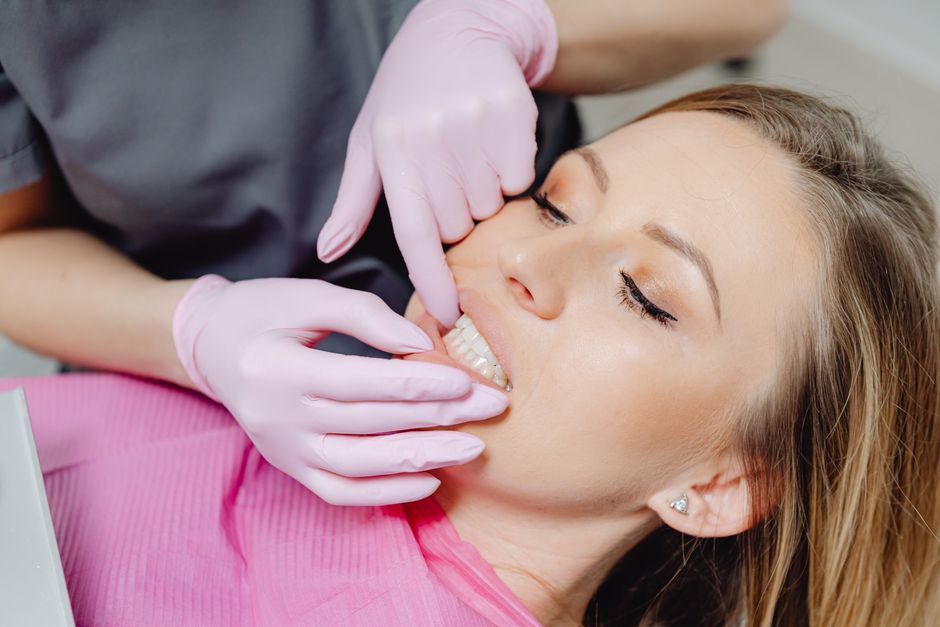
Teeth whitening is a cosmetic dental procedure that lightens the color of your teeth and removes stains and discoloration. It works by using peroxide-based bleaching agents that break down the chemical bonds of discolored molecules inside the tooth enamel. The result is a brighter, whiter smile that typically lasts for several months to a few years, depending on your habits and the method you choose.
What Is Teeth Whitening? Simplified
Teeth whitening is the process of using bleaching chemicals to make your natural teeth lighter. It does not make teeth pure white — it restores them to a lighter shade of their natural color. The active ingredients are almost always hydrogen peroxide or carbamide peroxide. These compounds penetrate the porous enamel and break apart the long-chain molecules that cause yellow and brown discoloration.
There are two main categories: in-office professional treatments and at-home products. Both use the same basic chemistry. The difference is the concentration of the bleaching agent and how long it stays on the teeth. Professional treatments use higher concentrations and produce faster results. At-home products use lower concentrations and require repeated applications over days or weeks.
How Does Teeth Whitening Actually Work?
The outer layer of your tooth, called enamel, is porous. Think of it like a sponge with microscopic channels. Over time, colored compounds from food, drinks, tobacco, and natural aging get trapped inside these channels. These compounds are called chromogens — molecules that have color.
Peroxide bleaching agents work by releasing oxygen molecules. These oxygen molecules react with the chromogens and break their double bonds. When the bonds break, the molecule no longer reflects light the same way. The color disappears, and the tooth appears lighter. This is a chemical change, not just a surface scrub. That is why whitening affects the whole tooth, not just the outer surface.
It is important to understand that whitening only works on natural teeth. It does not whiten crowns, veneers, fillings, or dentures. If you have dental restorations in visible areas, they will not change color. You may need to replace them after whitening to match your new tooth shade.
What Causes Teeth to Become Yellow or Stained?
Tooth discoloration falls into two categories: extrinsic and intrinsic. Extrinsic stains are on the surface of the enamel. Intrinsic stains are inside the tooth structure itself.
Extrinsic stains come from things that touch your teeth. Coffee, tea, red wine, cola, berries, and soy sauce all contain chromogens that deposit on enamel. Tobacco smoke and chewing tobacco also create surface stains. These stains respond well to whitening because the bleaching agent can reach them easily.
Intrinsic stains develop inside the tooth. Aging is the most common cause. Over decades, the enamel layer thins and the yellowish dentin underneath becomes more visible. Certain antibiotics, particularly tetracycline taken during childhood, can cause permanent intrinsic staining. Excess fluoride during tooth development can create white or brown spots. Trauma to a tooth can also cause internal discoloration as the nerve tissue breaks down.
Whitening can improve intrinsic stains, but the results are less predictable. Deep stains from tetracycline or trauma may require longer treatment or higher concentrations to show meaningful change. Some intrinsic stains do not respond to bleaching at all.





What Are the Different Whitening Options?
There are three main routes to whiter teeth. Each has different costs, timelines, and levels of evidence behind it.
In-office professional whitening is done by a dentist. The dentist applies a high-concentration peroxide gel, often 25% to 40% hydrogen peroxide, directly to your teeth. A curing light or laser may be used to accelerate the reaction, though research on whether the light adds meaningful benefit is mixed. The procedure takes about 60 to 90 minutes. Most people see a noticeable difference immediately, typically several shades lighter.
At-home professional kits are custom-fitted trays made by your dentist. You fill the trays with a lower-concentration gel, usually 10% to 20% carbamide peroxide, and wear them for a few hours a day or overnight. Results appear over one to two weeks. This method combines professional oversight with the convenience of home use.
Over-the-counter products include whitening strips, gels, toothpastes, and rinses. Strips and gels contain the same active ingredients but at much lower concentrations, typically 6% to 10% hydrogen peroxide. They work, but they take longer. Most strips require daily use for two weeks to see visible results. Whitening toothpastes are different — they do not contain enough peroxide to bleach teeth. They work through mild abrasives that polish surface stains. They can remove extrinsic stains but will not change the intrinsic color of your tooth.
| Method | Active Ingredient | Typical Timeline | Duration of Results |
|---|---|---|---|
| In-office professional | 25-40% hydrogen peroxide | 60-90 minutes | 1-3 years |
| Custom at-home trays | 10-20% carbamide peroxide | 1-2 weeks | 6 months to 2 years |
| Whitening strips | 6-10% hydrogen peroxide | 2 weeks | 4-6 months |
| Whitening toothpaste | Abrasives only | Ongoing | Only while using |
These timelines are general estimates. Individual results vary based on the starting shade of your teeth, the severity of staining, and your lifestyle habits after whitening.
Is Teeth Whitening Safe?
Yes, when used as directed. Hydrogen peroxide and carbamide peroxide have been studied for decades. The American Dental Association recognizes them as safe and effective when used under professional supervision or according to product instructions.
The most common side effects are tooth sensitivity and gum irritation. Sensitivity happens because peroxide temporarily dehydrates the enamel and can stimulate the nerve inside the tooth. Gum irritation occurs when the bleaching gel contacts soft tissue. Both side effects are temporary and typically resolve within a few days after treatment ends.
Some people are not good candidates for whitening. Pregnant or breastfeeding women should avoid whitening because no clinical studies have established its safety in these populations. People with untreated cavities, gum disease, or exposed tooth roots should see a dentist first. Whitening agents can irritate these conditions and cause significant pain. People with naturally translucent or very thin enamel may not get good results and may experience increased sensitivity.
Overuse is a real concern. Some people whiten too frequently, which can damage enamel over time. Follow the product instructions and take breaks between treatments. If your teeth become persistently sensitive or your gums stay irritated, stop and see a dentist.
How Long Do Whitening Results Last?
Results are not permanent. Your teeth will gradually re-stain as you eat, drink, and live normally. The duration depends heavily on your habits.
People who smoke, drink coffee daily, or regularly consume red wine will see results fade faster. Those who avoid staining foods and drinks can maintain results for years. Most people see noticeable fading within six months to two years after a professional treatment.
You can extend your results with touch-up treatments. Many dentists recommend using a custom tray with a small amount of gel for one or two days every few months. This is much gentler than a full treatment and keeps your shade consistent. Good oral hygiene also helps — brushing twice a day and flossing removes surface stains before they set in.
What Are the Common Myths About Teeth Whitening?
Myth: Lemon juice and baking soda whiten teeth naturally. This is false and potentially harmful. Lemon juice is highly acidic. It erodes enamel, which is permanent. Once enamel is gone, it does not grow back. The thinning enamel makes teeth look more yellow because the darker dentin underneath shows through. Baking soda is abrasive and can scratch enamel with repeated use. No clinical evidence supports this combination as a safe whitening method.
Myth: Charcoal toothpaste is a safe whitening alternative. Activated charcoal is abrasive. It can remove surface stains by physically scrubbing them off, but it can also wear away enamel. Some research suggests charcoal toothpastes do not whiten better than regular toothpaste, and their abrasiveness raises concern about long-term enamel loss. The evidence for charcoal whitening is limited and does not support it as a superior option.
Myth: Whitening damages tooth enamel. Studies have not found permanent enamel damage from proper use of approved whitening products. The temporary sensitivity and dehydration resolve. However, this assumes you follow instructions and do not overuse the products. Excessive or prolonged exposure can weaken enamel.
Myth: Coconut oil pulling whitens teeth. There is no clinical evidence that oil pulling changes tooth color. It may reduce plaque and improve gum health, but it does not contain bleaching agents. Any perceived whitening is from removing surface film, not changing the tooth’s intrinsic color.
Should You See a Dentist Before Whitening?
Yes. A dental exam before whitening is strongly recommended, especially if you have not seen a dentist recently. The dentist can identify cavities, gum disease, exposed roots, or cracked teeth that would make whitening painful or risky. Whitening gel on an untreated cavity can cause sharp pain. It can also penetrate a cracked tooth and irritate the nerve.
A dentist can also tell you if whitening will work for your specific type of staining. Some stains simply do not respond to peroxide bleaching. Knowing this before you spend money on treatments saves time and frustration. The dentist can also determine your current tooth shade and set realistic expectations for the final result.
Professional guidance matters most if you have restorations, sensitive teeth, or a history of dental problems. For healthy teeth with no restorations, over-the-counter products are a reasonable starting point. For anything else, professional advice first is the safer path.
Frequently Asked Questions
How long does teeth whitening last?
Results typically last from six months to two years. The duration depends on your diet, smoking habits, and oral hygiene routine.
Does teeth whitening damage enamel?
No permanent enamel damage has been found with proper use of approved whitening products. Overuse or misuse can weaken enamel, so follow instructions carefully.
Can teeth whitening work on crowns and veneers?
No. Whitening agents only work on natural teeth. Crowns, veneers, and fillings do not change color and may need replacement after whitening.
Is teeth whitening safe during pregnancy?
No clinical guidelines currently exist for whitening during pregnancy or breastfeeding. Most dentists recommend waiting until after delivery to be safe.
