
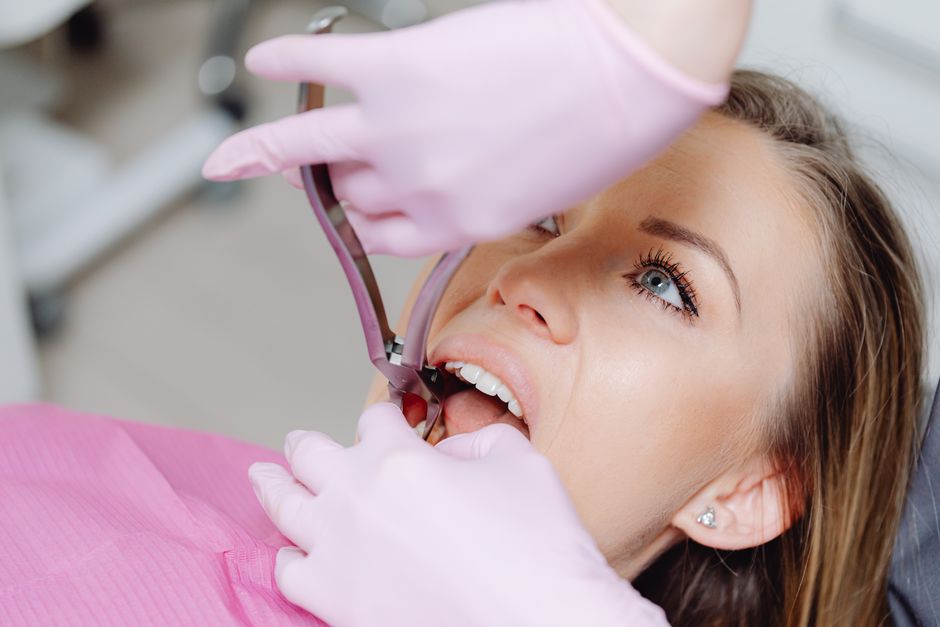
You cannot get rid of canine teeth without extraction, and no product or technique removes a tooth from the jaw. What you can do is change how prominent a canine looks. Orthodontics, cosmetic dentistry, and small reshaping procedures can all reduce the appearance of a long or high canine without pulling the tooth. Each option has real limits, and some carry risks worth understanding before you start.
This article explains what actually works, what only looks like it works, and what the evidence does and does not support.
What Are Canine Teeth And Why Do They Stand Out?
Canine teeth are the pointed teeth on each side of your mouth, third from the center. You have four: two upper and two lower. They are the longest teeth in the human mouth, and their single pointed cusp is what gives them their name.
They are not extra teeth. They are not a defect. They are a normal part of human dentition with a real function — guiding the bite and helping tear food.
Canines stand out for two reasons.
The first is simple anatomy. The upper canine sits at the corner of the dental arch, where the arch turns. Its root is long, and the tooth often sits slightly more forward and lower than the teeth beside it. On some faces this reads as a “fang” look.
The second is position. Sometimes a canine erupts higher than normal, sits outside the arch, or gets pushed forward because of crowding. This is often called an ectopic or high canine. When a canine is displaced, it can look more prominent than the rest of the smile.
Neither situation means the tooth is unhealthy. Prominence is usually a cosmetic concern, not a medical one. That distinction matters, because it shapes which options are reasonable.
Can You Get Rid Of Canine Teeth Without Extraction?
You cannot remove a canine without extraction. No treatment dissolves, shrinks, or eliminates a tooth. Anyone selling a product that claims to do this is selling something that does not exist.
What you can do is reduce how much a canine shows. There are three broad routes:
- Move the tooth with orthodontics so it sits in a better position.
- Reshape the tooth by gently reducing the pointed tip, usually a small cosmetic adjustment.
- Change how it looks with bonding, veneers, or crowns that build up or cover the tooth.
Each route changes appearance in a different way and carries different trade-offs. None of them removes the tooth. All of them keep the canine in your mouth, which is usually the goal.
One clarification worth knowing: many people who dislike their canines are actually reacting to crowding or misalignment around them, not the canines themselves. Fixing the alignment often changes the whole picture more than touching the canine would.
Can Orthodontics Fix Prominent Canine Teeth?
Orthodontics is the most reliable way to change where a canine sits. If a canine is high, rotated, or pushed out of the arch, braces or clear aligners can guide it into a better position.
This works best when the canine has room to move. Crowding is often the underlying cause of a displaced canine, and creating space is part of the plan. That sometimes means the orthodontist discusses removing a different tooth — often a premolar — to make room. That is a separate decision from removing the canine, and it is worth asking about directly if it comes up.
Timing matters. In younger patients, orthodontic movement tends to be more predictable because the bone is still developing. In adults, movement is still very possible, but it can take longer and may need more planning.
An impacted canine — one that has not erupted and is stuck in the bone — is a different situation. It usually needs imaging and a coordinated plan between an orthodontist and an oral surgeon. Some impacted canines can be guided into place. Others cannot, and extraction may be the only option. That is a clinical judgment, not a cosmetic choice.
Orthodontics is not fast. Treatment timelines vary widely by case, and anyone quoting a fixed number before an exam is guessing. Ask for a realistic range for your specific situation.


Can A Dentist Reshape A Canine Tooth?
Yes, in selected cases. A dentist can gently reduce the pointed tip of a canine to make it look less sharp or less long. This is a cosmetic adjustment, often called enameloplasty or tooth reshaping.
It is a real option, but it has limits. Enamel is a finite resource. Once it is removed, it does not grow back. Reducing a canine too far can expose the softer dentin underneath, which can increase sensitivity and raise the risk of decay over time. It can also weaken the tooth’s structure.
Because of this, reshaping is usually a small adjustment, not a dramatic one. It works best when the canine is only slightly prominent. It is a poor fit for a tooth that is displaced or significantly out of position, because the problem is location, not shape.
Some clinicians offer this as a quick fix. It is a legitimate procedure when done conservatively by a dentist who has assessed the tooth properly. It is not something to do casually or repeatedly.
What About Bonding, Veneers, And Crowns?
These are ways to change how a canine looks without moving or removing it. They build up or cover the tooth.
Bonding uses tooth-colored resin applied directly to the tooth and shaped to change its appearance. It is usually the least invasive of the three because it often requires little or no removal of natural tooth. It can wear or stain over time and may need touching up.
Veneers are thin shells bonded to the front of the tooth. They usually require removing a small amount of enamel. They can change the shape and color of a canine, but they are a bigger commitment than bonding and are not reversible.
Crowns cover the whole tooth and require more removal of natural tooth structure than veneers. They are generally reserved for teeth that need structural repair, not for purely cosmetic changes to a healthy canine.
None of these options move a displaced canine into a better position. They change its surface. If the real issue is position, cosmetic work may not solve it, and orthodontics may be the better starting point.
Is It Safe To Leave Canine Teeth Alone?
For most people, yes. A prominent canine is usually a cosmetic feature, not a health problem. Canines serve a purpose in the bite, and keeping them is generally preferable to removing them when they are healthy.
There are exceptions. An impacted canine that cannot be brought into the arch, or one causing damage to nearby teeth, may need removal. A canine with significant decay or damage that cannot be repaired may also need extraction. These are clinical decisions made with imaging and a full exam, not cosmetic preferences.
If your concern is appearance only, you have time. There is no urgency to act on a cosmetic preference, and getting a proper assessment first usually saves money and regret.
What Should You Do Before Choosing An Option?
Start with an exam, not a product. A dentist or orthodontist can tell you whether your canine is simply prominent, displaced, or impacted. Those three situations call for very different approaches.
Ask directly what is causing the appearance you dislike. Is it the tooth’s shape, its position, or crowding around it? The answer points to the right option.
Be cautious with anyone promising a quick fix without an exam. Be cautious with aggressive reshaping. And be cautious with the assumption that removing the tooth is the answer — in most cosmetic cases, it is not, and it is rarely the first choice.
If you want a second opinion before committing to orthodontics or cosmetic work, get one. These are decisions with lasting effects, and a second set of eyes is reasonable.
Frequently Asked Questions
Can you remove canine teeth without surgery?
No. Removing a tooth requires extraction, which is a clinical procedure. No non-surgical method removes a canine from the jaw.
Can braces fix prominent canine teeth?
Often yes, if the canine can be moved into a better position. Whether it can depends on the tooth’s position, the available space, and whether it is impacted.
Can a dentist shave down a canine tooth?
A dentist can gently reduce the tip in selected cases. Enamel does not grow back, so the adjustment must be conservative to avoid sensitivity and structural problems.
Are canine teeth necessary?
Yes, they play a role in guiding the bite and tearing food. Healthy canines are generally kept rather than removed.
