
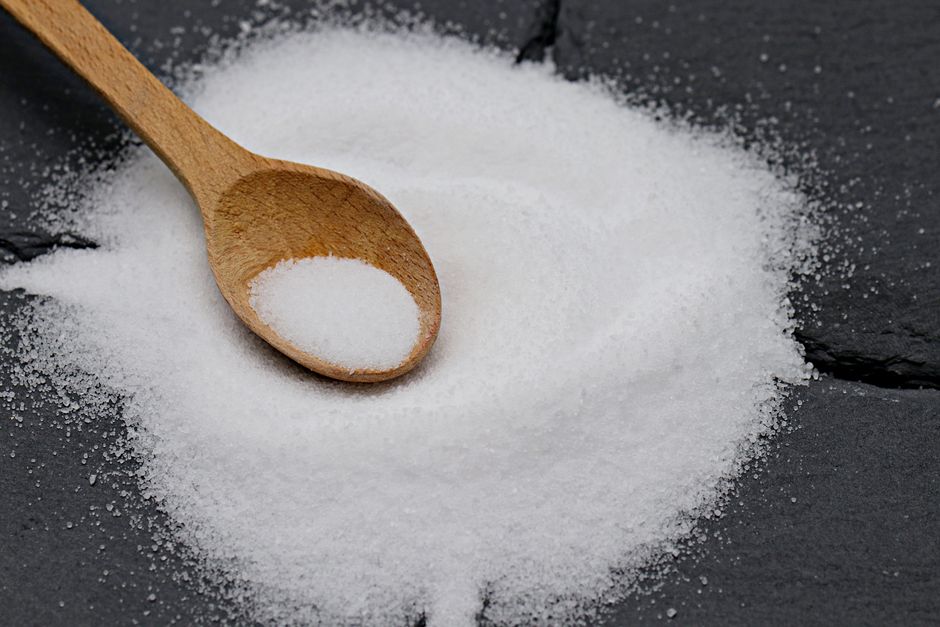
Sodium bicarbonate is baking soda. It is a white crystalline powder with the chemical formula NaHCO₃. When mixed with an acid, it produces carbon dioxide gas, which is why it makes baked goods rise. It also acts as a mild antacid and is used in many household cleaning products.
How Does Sodium Bicarbonate Work in the Body?
Sodium bicarbonate is a base. In the body, it works by neutralizing excess acid. This is a simple chemical reaction. The bicarbonate ion binds with hydrogen ions to form water and carbon dioxide. The carbon dioxide is then exhaled through the lungs.
Your kidneys and lungs naturally regulate bicarbonate levels. They keep your blood pH in a very narrow range. Normal blood pH sits between 7.35 and 7.45. When blood becomes too acidic, a condition called acidosis, the body may use bicarbonate to restore balance.
This mechanism is well understood. It is the same reaction that occurs when you mix vinegar and baking soda in a science experiment. The difference is that inside the body, this reaction is tightly controlled by your organs.
What Is Sodium Bicarb Used For Medically?
Medical-grade sodium bicarbonate is used in specific clinical situations. It is administered intravenously in hospitals to treat severe metabolic acidosis. This can occur in conditions like diabetic ketoacidosis or kidney failure. It is also used in some cases of drug overdose.
Orally, it is available as an antacid. It can provide quick relief from occasional heartburn or indigestion. It works by neutralizing stomach acid directly. This is a short-term solution, not a long-term treatment.
There are also prescription uses. Sodium bicarbonate tablets are sometimes prescribed for people with kidney conditions. They help manage the chronic acidosis that can accompany advanced kidney disease. This is a specific medical treatment that requires monitoring by a doctor.
One common medical use is for urine alkalinization. Making urine less acidic can help prevent certain types of kidney stones. It can also help the body excrete certain drugs faster after an overdose. These uses are established in clinical practice.
Can Sodium Bicarbonate Improve Athletic Performance?
Some athletes use sodium bicarbonate as a sports supplement. The theory is that it buffers lactic acid buildup in muscles during intense exercise. Lactic acid contributes to the burning sensation and fatigue you feel during high-effort workouts.
Research on this is mixed. Some studies have found small performance improvements in events lasting one to seven minutes. These are high-intensity efforts like track races or rowing sprints. Other studies show no benefit at all.
The evidence is not strong enough to recommend it for general fitness. The side effects are often the limiting factor. Gastrointestinal distress is common. This includes nausea, bloating, and diarrhea. These symptoms can easily ruin a workout or race.
If you are considering it, the dosing is specific. Studies typically use 0.2 to 0.3 grams per kilogram of body weight. That means a 70 kg person would take 14 to 21 grams. This is a large amount of powder. It is usually mixed with water and taken 60 to 90 minutes before exercise.
No athletic governing body has banned sodium bicarbonate. It is not a prohibited substance. However, the practical benefits are modest and inconsistent. For most recreational athletes, the digestive side effects outweigh any potential gain.




Is It Safe to Drink Baking Soda in Water?
Drinking baking soda dissolved in water is a popular home remedy. People use it for heartburn, indigestion, and sometimes for general health. It can be safe in small amounts for short periods.
A common home dose is half a teaspoon in a glass of water. This should not be repeated frequently. Taking it too often can lead to serious health problems. The body can only process so much sodium and bicarbonate at once.
There are real risks. High doses can cause metabolic alkalosis. This is the opposite of acidosis, where the blood becomes too basic. Symptoms include confusion, muscle twitching, and hand tremors. In severe cases, it can be life-threatening.
Sodium bicarbonate is high in sodium. One teaspoon contains about 1,200 milligrams of sodium. That is more than half the recommended daily limit for most adults. Anyone with high blood pressure, heart failure, or kidney disease should avoid it entirely.
There is also a risk of stomach rupture if you take it right after a large meal. The gas produced by the reaction has nowhere to go. This is rare but has been reported in medical literature. It is a genuine emergency.
No clinical guidelines support daily consumption of baking soda water for general health. The evidence for any long-term benefit is absent. If you have persistent heartburn, see a doctor rather than self-treating with baking soda.
What Are the Side Effects and Risks?
The most common side effects are digestive. Bloating and gas occur because carbon dioxide is produced in the stomach. Nausea and stomach cramps are also reported. Diarrhea can happen, especially at higher doses.
More serious risks involve electrolyte imbalances. The high sodium load can raise blood pressure. It can also cause fluid retention, which is dangerous for people with heart failure. Low potassium levels can occur, which affects muscle and heart function.
There is a specific risk for people taking certain medications. Lithium is one example. Sodium bicarbonate can change how the body excretes lithium, potentially leading to toxic levels. Anyone on prescription medication should ask a pharmacist about interactions.
Pregnant women should not use sodium bicarbonate as an antacid. It can cause fluid retention and metabolic alkalosis in the mother. This can affect the baby. Over-the-counter antacids that contain other ingredients are generally preferred, but you should still ask a doctor first.
The FDA classifies sodium bicarbonate as generally recognized as safe for specific food uses. That does not mean it is safe to consume in large quantities. The safe range for food use is very different from the doses people take for health purposes.
What Is the Difference Between Baking Soda and Baking Powder?
Baking soda is pure sodium bicarbonate. Baking powder contains sodium bicarbonate plus an acid. The acid is usually cream of tartar. Baking powder also contains a starch to absorb moisture and prevent clumping.
Baking soda requires an acid in your recipe to activate it. Buttermilk, yogurt, lemon juice, or brown sugar all work. Baking powder already contains the acid, so it activates when liquid is added and again when heated.
You cannot substitute them one for one. Baking soda is about four times stronger than baking powder. If a recipe calls for one teaspoon of baking powder, you would need only a quarter teaspoon of baking soda. But you would also need to add an acid to the recipe.
How Does It Compare to Other Antacids?
Sodium bicarbonate is one of several antacid options. Others include calcium carbonate, magnesium hydroxide, and aluminum hydroxide. They all work by neutralizing stomach acid, but they differ in side effects.
Calcium carbonate is the active ingredient in many popular chewable antacids. It also provides calcium, which can be a benefit. But it can cause constipation and, in high doses, kidney stones.
Magnesium hydroxide is often used as a laxative at higher doses. At antacid doses, it can cause diarrhea. Aluminum hydroxide can cause constipation. Some products combine magnesium and aluminum to balance these effects.
Sodium bicarbonate works fastest because it dissolves quickly. But its effect is short-lived. It also carries the sodium load, which the others do not. For people watching their blood pressure, other antacids are usually a better choice.
For frequent heartburn, proton pump inhibitors like omeprazole are more effective. These drugs reduce acid production rather than neutralizing existing acid. They are available over the counter. They are not for occasional use but for chronic symptoms.
Is It the Same as Bicarbonate of Soda or Washing Soda?
Bicarbonate of soda is the British term for baking soda. It is chemically identical to what Americans call baking soda. The names are interchangeable.
Washing soda is different. It is sodium carbonate, with the formula Na₂CO₃. It is more alkaline than sodium bicarbonate. It has a higher pH, around 11 compared to baking soda’s pH of 8. Washing soda is a stronger cleaner and degreaser. It is not safe to consume.
Do not confuse them in recipes or for health use. Washing soda will not make food rise. It can cause burns if ingested. Store them separately and label them clearly.
Frequently Asked Questions
Is drinking baking soda every day safe?
No. Daily consumption of baking soda water is not supported by clinical evidence and can cause electrolyte imbalances, high blood pressure, and metabolic alkalosis. Occasional use for heartburn is different from daily use.
How much baking soda can I take for heartburn?
A common home dose is half a teaspoon dissolved in a glass of water, taken once. Do not repeat this within two hours and do not exceed this amount without medical supervision.
Can baking soda lower blood pressure?
No evidence supports this. Baking soda is high in sodium, which can raise blood pressure in sensitive individuals. It is not a treatment for hypertension.
Does baking soda whiten teeth?
Some research suggests baking soda toothpaste can help remove surface stains. It works as a mild abrasive. It does not bleach teeth and overuse can wear down enamel.
