

Shoulder bursitis is inflammation of the small fluid-filled sacs (bursae) that cushion the bones, tendons, and muscles around your shoulder joint. The most common symptom is pain, especially when lifting your arm or pressing on the outside of the shoulder. Causes usually involve repetitive overhead motion, injury, or age-related wear and tear. Treatment focuses on reducing inflammation and restoring movement, often starting with rest, ice, and anti-inflammatory medication, with more advanced options available if symptoms persist.
What Is Shoulder Bursitis?
Bursae are thin, slippery sacs filled with a small amount of fluid. Your body has them in many joints. They act like tiny pillows, reducing friction between bones and soft tissues such as tendons and muscles.
In the shoulder, the subacromial bursa is the one most often affected. It sits between the rotator cuff tendons and the bony roof of the shoulder (the acromion). When this bursa becomes inflamed, every movement that involves the rotator cuff can become painful.
Shoulder bursitis is sometimes called subacromial bursitis. It often occurs alongside other shoulder problems, particularly rotator cuff tendinitis. The two conditions share similar causes and symptoms, and they frequently happen together.
What Are the Symptoms of Shoulder Bursitis?
Pain is the main symptom. It usually develops gradually over weeks or months, though it can appear suddenly after an injury.
The pain is typically located on the outer part of the shoulder and can travel down the outside of the upper arm. It often worsens when you:
- Lift your arm sideways
- Reach overhead
- Lie on the affected shoulder at night
- Press on the outside of the shoulder
You may also notice stiffness or reduced range of motion. The shoulder may feel weak, though true muscle weakness is usually a sign of a rotator cuff tear rather than bursitis alone. Some people report a catching or pinching sensation when lowering the arm from a raised position.
Unlike some other joint conditions, shoulder bursitis does not typically cause visible swelling or redness. The bursa is too deep to see from the outside. Warmth or visible swelling should raise the possibility of infection or another condition.
What Causes Shoulder Bursitis?
Most cases come from repetitive friction. The subacromial bursa gets pinched or rubbed repeatedly until it becomes irritated and inflamed.
Common causes include:
- Repetitive overhead movements from sports like swimming, tennis, or baseball
- Occupations requiring overhead work, such as painting, construction, or cleaning
- A direct blow or fall onto the shoulder
- Age-related changes that narrow the space where the bursa sits
- Poor posture that changes the alignment of the shoulder joint
Bone spurs can also contribute. A spur on the underside of the acromion can rub against the bursa and tendons, causing irritation over time. This is more common in older adults.
Certain health conditions increase the risk. Diabetes, thyroid disorders, and rheumatoid arthritis are all associated with a higher likelihood of developing bursitis. In most cases, however, the cause is simply repeated use without enough recovery time.




How Is Shoulder Bursitis Diagnosed?
A doctor will start by asking about your symptoms and activities. They will then examine your shoulder, checking for tenderness, range of motion, and strength.
Several physical tests can help identify bursitis. One common test involves raising your arm to the side while the doctor applies gentle downward pressure. Pain during this maneuver suggests the bursa is inflamed.
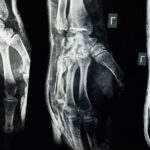
Imaging is often used to confirm the diagnosis and rule out other problems. An ultrasound can show fluid buildup in the bursa and any thickening of its walls. An MRI provides more detail and can reveal tears in the rotator cuff or other soft tissue damage. X-rays do not show bursae, but they can rule out bone spurs, arthritis, or fractures.
Most doctors can diagnose shoulder bursitis based on the physical exam alone. Imaging is typically reserved for cases that do not improve with initial treatment or when another diagnosis is suspected.
What Are the Treatment Options?
Treatment usually begins with conservative measures. Most people improve with these within a few weeks.
Rest and activity modification are the first steps. This does not mean complete immobilization. It means avoiding the movements that cause pain, particularly overhead lifting and reaching. Gentle movement of the shoulder is still encouraged to prevent stiffness.
Ice can help reduce inflammation. Applying an ice pack to the outer shoulder for 15 to 20 minutes several times a day during the first few days can ease pain.
Nonsteroidal anti-inflammatory drugs (NSAIDs) such as ibuprofen or naproxen can reduce both pain and inflammation. These are available over the counter. They should be used as directed, and people with stomach issues, kidney problems, or heart conditions should check with a doctor first.
Physical therapy is often the most effective treatment for persistent bursitis. A therapist can teach you exercises to strengthen the rotator cuff and shoulder blade muscles, improve posture, and restore full range of motion. Strengthening these muscles helps create more space for the bursa, reducing future friction.
When Are Corticosteroid Injections or Surgery Needed?
If symptoms do not improve after several weeks of conservative care, a corticosteroid injection may be considered. This involves injecting a powerful anti-inflammatory medication directly into the bursa.
Injections can provide significant pain relief, often within a few days. The effect can last for weeks or months. However, they do not cure the underlying problem. If the activity that caused the bursitis continues without modification, symptoms often return.
Corticosteroid injections are generally safe when performed by an experienced clinician. Repeated injections over a short period can weaken tendons, so most doctors limit how often they offer them.
Surgery is rarely needed for shoulder bursitis. It is usually reserved for cases that do not respond to all other treatments after several months. The most common procedure is arthroscopic subacromial decompression, where the surgeon removes the inflamed bursa and any bone spurs, creating more space for the tendons. This is a minimally invasive outpatient procedure with a good success rate, but it is not the first-line approach.
How Long Does Shoulder Bursitis Take to Heal?
Recovery time varies significantly. Mild cases may improve within a few weeks. More stubborn cases can take several months.
The key factor is not just the initial treatment but the rehabilitation phase. Even after pain subsides, the muscles that support the shoulder need time to strengthen. Returning to overhead activities too quickly is a common reason for recurrence.
People who modify their activities and complete physical therapy tend to recover faster and have lower relapse rates. Those who continue the same repetitive movements without addressing the underlying cause are more likely to experience chronic or recurring bursitis.
What Can You Do to Prevent Shoulder Bursitis?
Prevention focuses on reducing repetitive strain on the shoulder.
If you do overhead work, take regular breaks. Alternate tasks when possible so the same muscles are not working continuously. Strengthening the shoulder and upper back muscles helps maintain proper alignment during activity.
Improving posture matters. Rounded shoulders and a forward head position narrow the space under the acromion, increasing the risk of bursal compression. Simple posture awareness, along with exercises that strengthen the upper back, can make a meaningful difference.
Warm up before physical activity. Cold muscles and tendons are less flexible and more prone to injury. A brief warm-up that includes gentle shoulder movements prepares the joint for more demanding work.
Frequently Asked Questions
Can shoulder bursitis heal on its own?
Yes, mild cases can resolve on their own with rest and activity modification. However, without addressing the cause, symptoms often return when you resume the same activities.
Is heat or ice better for shoulder bursitis?
Ice is better during the first few days to reduce inflammation and pain. Heat can be useful later to relax tight muscles before stretching, but it does not treat the inflammation itself.
What is the fastest way to relieve shoulder bursitis pain?
Stopping the aggravating activity and taking an over-the-counter anti-inflammatory medication provides the quickest relief for most people. Applying ice to the outer shoulder also helps reduce acute pain.
Does shoulder bursitis show up on an x-ray?
No, an x-ray cannot show the bursa itself. X-rays are used to rule out bone spurs, arthritis, or fractures that may be causing the problem.
