
Hip bursitis is one of the most common causes of outer hip pain, yet it is frequently confused with muscle strains or sciatica. The key signs include sharp or aching pain on the outside of the hip that worsens when lying on the affected side, climbing stairs, or standing up from a chair. The pain often feels like it is deep in the tissue just below the bony point of the hip, and it typically does not radiate down the leg past the knee, which helps distinguish it from nerve-related back pain.
What Exactly Is Hip Bursitis?
The bursa is a small, fluid-filled sac that acts as a cushion between bones and soft tissue. In the hip, the trochanteric bursa sits over the bony prominence on the outside of the upper thigh, called the greater trochanter. When this sac becomes irritated or inflamed, the condition is called trochanteric bursitis.
This inflammation is not usually an infection. In most cases, it results from repetitive friction, direct trauma, or mechanical issues in the hip joint. The bursa swells, thickens, and can make even simple movements painful.
How To Know If You Have Hip Bursitis Key Signs
The most reliable sign is localized pain on the outer side of the hip. This pain is typically worse with specific activities that compress or stretch the bursa. Lying on the affected side is often the most uncomfortable position, and many people report waking up at night when they roll over.
You may also feel pain when pressing directly on the bony point of the hip. Activities like climbing stairs, walking on uneven ground, or standing after sitting for a long time can trigger the pain. Unlike hip joint arthritis, which usually causes groin pain, bursitis pain stays on the outside of the hip.
Another distinguishing feature is the absence of radiating symptoms. If your pain shoots down the back of your leg past the knee, that points more toward sciatica or a lumbar spine issue. Bursitis pain generally stays confined to the hip region.
Common Causes and Risk Factors
Bursitis rarely appears without a reason. The most common cause is repetitive overuse. Running, cycling, or climbing stairs frequently can irritate the bursa over time. A sudden increase in activity level is a classic trigger.
Direct trauma also matters. Falling onto the side of the hip or bumping it against a hard surface can cause acute inflammation. Some research suggests that leg length differences or gait abnormalities place uneven stress on the hip, increasing the risk of bursitis over time.
Certain health conditions raise your risk as well. Rheumatoid arthritis, gout, and thyroid disease have all been associated with increased rates of bursitis. Previous hip surgery or the presence of calcium deposits in the tendons near the bursa can also contribute.
Age is a factor too. The condition is most common in middle-aged and older adults, though it can affect younger athletes who train heavily.





How Hip Bursitis Is Diagnosed
A clinical examination is usually enough for a doctor to diagnose hip bursitis. The doctor will press on the greater trochanter to check for tenderness. They may also perform specific movement tests that reproduce the pain, such as having you stand on the affected leg or rotate your hip in specific directions.
Imaging is not always necessary, but it can help rule out other conditions. An X-ray can show calcium deposits or signs of arthritis. An ultrasound or MRI can reveal fluid accumulation in the bursa or tears in the nearby gluteal tendons, which often accompany bursitis.
If the diagnosis is uncertain, a doctor may inject a small amount of anesthetic into the bursa. If the pain resolves quickly after the injection, that confirms the bursa is the source. This is both a diagnostic test and a treatment option.
Conditions That Mimic Hip Bursitis
Several other conditions produce pain in the same area. Gluteal tendinopathy is one of the most common. The tendons that attach to the greater trochanter can become degenerated or torn, causing pain that feels nearly identical to bursitis. In fact, many people diagnosed with bursitis actually have tendinopathy as the primary problem.
Hip joint arthritis can cause referred pain to the outer hip, though groin pain is usually the dominant symptom. Lumbar spine problems, particularly at the L1-L3 levels, can refer pain to the hip region. Snapping hip syndrome, where a tendon moves over the bony prominence with a noticeable click, can also coexist with bursitis.
Less common but more serious conditions include stress fractures of the femoral neck or the pelvis. These produce deep, aching pain that worsens with weight-bearing. In rare cases, infection or tumors in the bone can present with hip pain, so persistent symptoms that do not respond to basic treatment warrant thorough evaluation.
Home Treatment Options That Work
Most cases of hip bursitis improve with conservative care. Rest from the aggravating activity is the first step. This does not mean complete bed rest, but avoiding movements that reproduce the pain allows the inflammation to settle.
Cold packs applied to the outer hip for 15-20 minutes several times a day can reduce acute pain and swelling. Heat is generally less helpful in the early inflammatory phase but may ease muscle tightness around the hip in later stages.
Over-the-counter anti-inflammatory medications like ibuprofen or naproxen can provide short-term relief. These drugs reduce inflammation and pain, but they are not a long-term solution. Use them at the lowest effective dose and for the shortest duration needed.
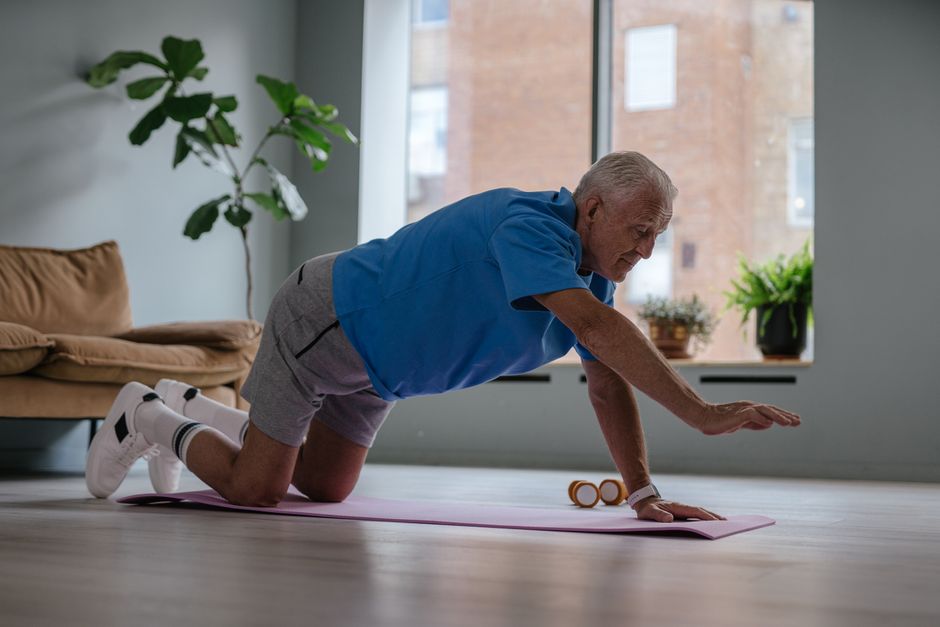
Stretching the iliotibial band and strengthening the gluteal muscles are important components of recovery. Weak gluteal muscles are a common underlying contributor to bursitis because they fail to stabilize the hip properly. A physical therapist can design a targeted program, but simple exercises like side-lying leg lifts and standing hip abductions are often recommended.
Medical Treatments When Home Care Is Not Enough
If symptoms persist beyond a few weeks despite conservative measures, a corticosteroid injection into the bursa is a common next step. This injection delivers a powerful anti-inflammatory medication directly to the site of irritation. Many people experience significant relief within days, though the effect can wear off over weeks or months.
Physical therapy is more than just stretching. A therapist can assess your gait, muscle strength, and joint mobility to identify the mechanical issues driving the bursitis. Correcting these underlying problems is the key to preventing recurrence.
Surgery is rarely needed for hip bursitis. In cases that do not respond to any conservative treatment after many months, a procedure called bursectomy may be considered. This involves removing the inflamed bursa, and it can be done arthroscopically. Outcomes are generally good, but surgery is reserved for the most stubborn cases.
Preventing Hip Bursitis From Returning
Once the acute pain resolves, prevention becomes the focus. Strengthening the hip abductor muscles is the single most effective preventive measure. These muscles, particularly the gluteus medius, keep the hip stable during walking and running.
Pay attention to training volume. Sudden increases in mileage or intensity are common triggers for bursitis flare-ups. Gradual progression is the safest approach.
Footwear matters more than most people realize. Worn-out shoes alter your gait and place extra stress on the hip. Replacing athletic shoes at appropriate intervals can reduce the risk of overuse injuries, including bursitis.
If you have a known leg length difference, a heel lift may help balance your pelvis and reduce hip strain. This should be evaluated by a professional, as an incorrect lift height can cause more problems than it solves.
Frequently Asked Questions
Can hip bursitis go away on its own?
Yes, many cases resolve with rest and activity modification within a few weeks. However, without addressing the underlying cause, it frequently returns.
Is walking bad for hip bursitis?
Walking is not necessarily harmful, but it can aggravate symptoms if done in large amounts or on uneven terrain. Shorter, flatter walks during the acute phase are usually better tolerated.
How long does a hip bursitis flare-up last?
An untreated flare-up can last several weeks to months. With proper rest, ice, and anti-inflammatory medication, most people notice significant improvement within two to four weeks.
What is the fastest way to relieve hip bursitis pain?
A corticosteroid injection provides the fastest relief, often within 24 to 48 hours. For immediate home care, ice and avoiding pressure on the affected side are the quickest non-invasive options.
