
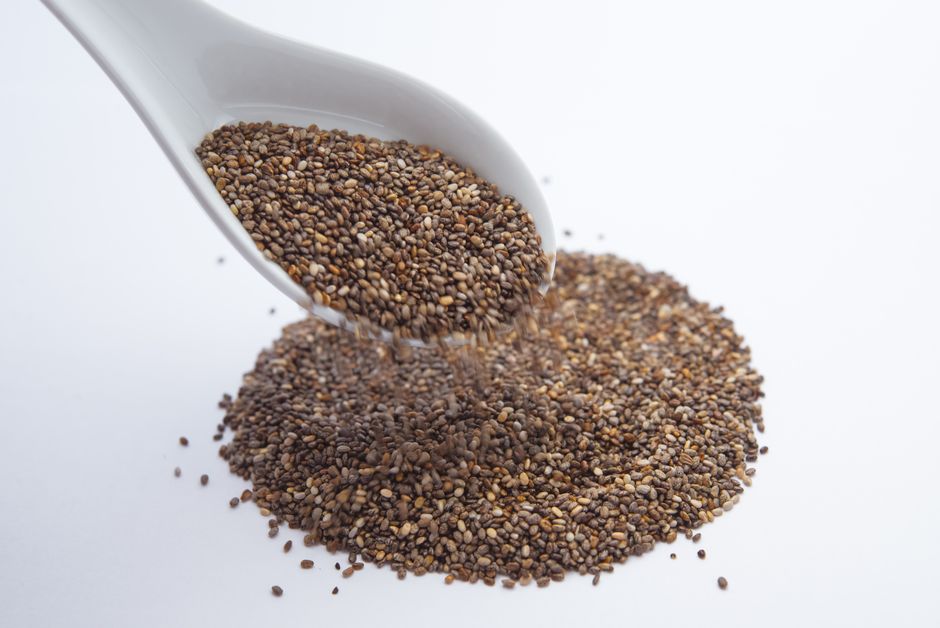
Seed oils are oils extracted from the seeds of plants rather than from the fruit itself. Common examples include soybean, canola (rapeseed), sunflower, safflower, corn, cottonseed, grapeseed, and rice bran oil. They are among the most widely used cooking oils in the world and appear in countless processed and restaurant foods.
If you have spent any time online lately, you have probably seen claims that seed oils are toxic, inflammatory, or behind rising rates of chronic disease. Those claims deserve a careful look, because the science is more nuanced than either the loudest critics or the biggest food companies suggest.
What Is Seed Oil and How Is It Made?
Seed oils are fats pressed or extracted from plant seeds. This separates them from oils like olive and avocado, which come from the fruit of the plant, and from coconut oil, which comes from the kernel.
Most seed oils go through a refining process. Seeds are cleaned, heated, and pressed to release the oil. What remains is then treated to remove impurities, color, and odor. Solvent extraction using hexane is common for maximizing yield, though the hexane is removed during processing and trace amounts in the final product are generally considered negligible by food safety regulators.
The result is a neutral-tasting, shelf-stable, inexpensive oil. That combination is exactly why these oils became so common in the food supply over the past century.
One point that often gets lost: “seed oil” is not a single substance. Soybean oil, canola oil, and sunflower oil have different fatty acid profiles. Grouping them all together as if they behave identically in the body is a simplification that does not hold up well.
What Is the Difference Between Seed Oils and Other Cooking Oils?
The main difference is the type of fat they contain. Most seed oils are high in polyunsaturated fatty acids (PUFAs), particularly omega-6 fats. Olive oil and avocado oil are higher in monounsaturated fats. Butter, lard, and coconut oil are higher in saturated fats.
This distinction matters because omega-6 and omega-3 fats are both polyunsaturated and both are considered essential — the body cannot make them, so they must come from food. The debate about seed oils usually centers on omega-6 intake and whether high levels promote inflammation.
| Oil | Primary Fat Type | Common Use |
|---|---|---|
| Soybean | Polyunsaturated (omega-6) | Processed foods, frying |
| Canola | Monounsaturated + polyunsaturated | General cooking, baking |
| Sunflower | Polyunsaturated (omega-6) | Frying, salad dressing |
| Olive | Monounsaturated | Sautéing, dressings, low-heat cooking |
| Coconut | Saturated | Baking, high-heat cooking |
Notice that canola does not fit neatly into the “high omega-6” box. It contains a meaningful amount of monounsaturated fat and a small amount of omega-3. This is one reason blanket statements about seed oils tend to fall apart under scrutiny.
Do Seed Oils Cause Inflammation?
This is the central claim, and the evidence is more mixed than most headlines suggest.
The argument goes like this: seed oils are high in omega-6 linoleic acid. Linoleic acid can be converted in the body into arachidonic acid, which is a precursor to certain inflammatory signaling molecules. Therefore, the reasoning goes, more seed oil means more inflammation.
The problem is that this chain of reasoning does not match what clinical studies actually show. Linoleic acid conversion to arachidonic acid in humans is quite limited — estimates suggest only a small fraction converts. And controlled trials where people increased dietary linoleic acid have generally not found increases in inflammatory markers. Some have found reductions.
That said, the evidence is not airtight. Many of these trials were short, used modest amounts of oil, and measured a limited set of inflammatory markers. Long-term effects of very high intakes are less well studied. So the honest position is this: the claim that seed oils cause inflammation is not supported by the bulk of human trial evidence, but the research is not perfect either.
What complicates the picture further is that seed oils are usually consumed as part of ultra-processed foods — chips, fried snacks, packaged baked goods. Those foods are associated with worse health outcomes for many reasons that have nothing to do with the oil itself. Blaming the oil alone is a leap the data does not support.





Are Seed Oils Linked to Chronic Disease?
Observational studies on this question have produced inconsistent results. Some have found associations between higher linoleic acid levels in the blood and better cardiovascular outcomes. Others have found no clear relationship. A few have raised questions about specific contexts.
What we can say with reasonable confidence: replacing saturated fat with polyunsaturated fat tends to lower LDL cholesterol, and LDL cholesterol is a well-established risk factor for cardiovascular disease. This is one of the more consistent findings in nutrition research. It does not prove seed oils are protective in every context, but it undercuts the idea that they are uniquely harmful.
The strongest evidence against seed oils comes from animal studies and mechanistic speculation, not from human outcome trials. That distinction matters. Mice and rats do not always reflect human physiology, and mechanisms that look plausible in a lab dish often fail to translate.
Where the criticism has more merit is in the broader food environment. Seed oils are cheap, which makes ultra-processed food cheaper to produce. That is a real issue. But it is a food system problem, not proof that the oil molecule itself is toxic.
What About Omega-6 and Omega-3 Balance?
Human diets have shifted over the past century toward more omega-6 and less omega-3. Some researchers argue this shift matters for health, particularly for inflammation and cardiovascular risk.
The ratio idea is intuitive but has been criticized. What may matter more than the ratio is the absolute amount of omega-3 in the diet. Most Americans do not eat enough omega-3-rich foods like fatty fish. Increasing omega-3 intake is well supported. Decreasing omega-6 intake is less clearly beneficial based on current evidence.
If you are concerned about balance, the more actionable step is to eat more fatty fish, walnuts, and flaxseed rather than to obsess over avoiding every drop of soybean oil.
Should You Avoid Seed Oils?
There is no strong clinical evidence that moderate seed oil consumption is harmful for most people. Major health organizations have not issued warnings against them. In fact, many dietary guidelines recommend replacing saturated fats with unsaturated fats, which includes seed oils.
That does not mean all seed oils are equal or that unlimited intake is ideal. Some considerations:
- Repeatedly heating oils to high temperatures can produce harmful compounds. This applies to all oils, not just seed oils.
- Seed oils in ultra-processed foods often come packaged with excess sugar, sodium, and refined carbohydrates. The oil is not the only issue.
- If you prefer olive oil or avocado oil for taste or other reasons, that is a reasonable choice. It is not a necessity for health.
- People with specific conditions or on certain medications should talk to their doctor about dietary fat choices.
The fear-based messaging around seed oils tends to oversimplify a complex topic. Some of it comes from legitimate concerns about processed food. Some of it is marketing for alternative products. Distinguishing between the two requires looking at the actual evidence, which is far less dramatic than the headlines.
What Should You Take Away From This?
Seed oils are refined plant oils high in polyunsaturated fats. The claim that they are uniquely toxic or inflammatory is not supported by the majority of human research. The evidence is mixed in places, and long-term effects of very high intakes are not fully understood.
What is well established: whole foods, plenty of vegetables, adequate omega-3, and limited ultra-processed food intake are associated with better health. Whether you cook with canola or olive oil matters far less than those broader patterns.
If you want to reduce seed oils because you prefer other oils or because you are cutting back on processed food, that is a defensible personal choice. Just do not make it based on the idea that the science has settled against them. It has not.
Frequently Asked Questions
What is seed oil made of?
Seed oils are fats extracted from plant seeds, and most are high in polyunsaturated fatty acids, especially omega-6 fats. They are refined to be neutral in taste and stable for cooking.
Are seed oils worse than butter or lard?
Current evidence does not show that seed oils are worse than animal fats for most people, and replacing saturated fat with unsaturated fat tends to lower LDL cholesterol. Individual choices may vary based on health conditions and preferences.
Do seed oils cause inflammation in the body?
Controlled human trials have generally not found that increasing dietary linoleic acid raises inflammatory markers, and some have found reductions. The evidence is not perfect, but the claim that seed oils directly cause inflammation is not well supported.
Should I stop cooking with seed oils?
There is no strong clinical reason for most people to avoid seed oils in normal cooking. If you prefer olive or avocado oil, that is fine, but the broader diet matters more than the specific oil.
