
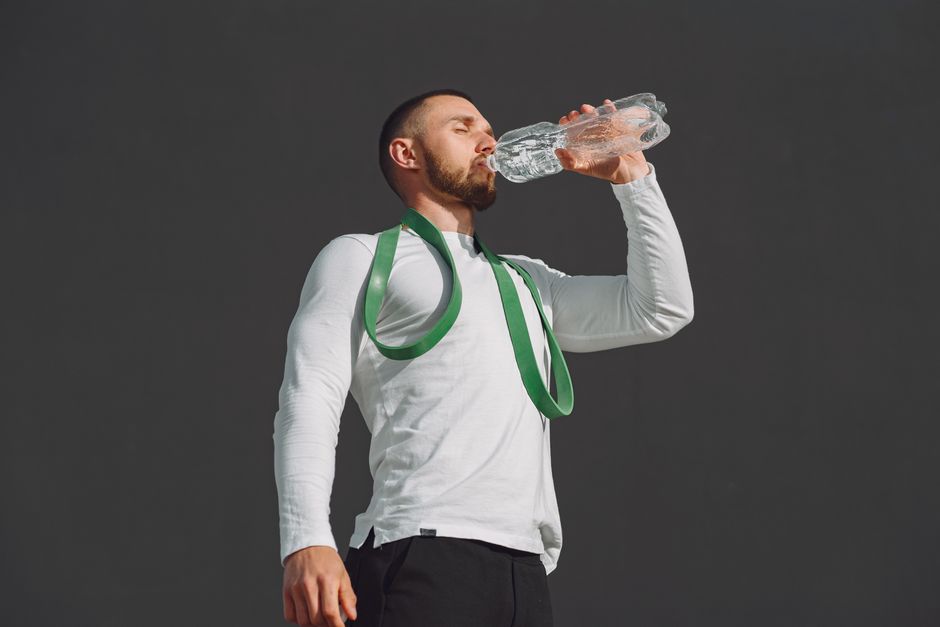
Dehydration happens when your body loses more fluid than you take in. Even mild fluid loss can disrupt how your body functions, and the signs are often subtler than people expect. Thirst is a late signal, not an early one. By the time you feel thirsty, you may already be mildly dehydrated. The earliest signs include darker urine, dry mouth, fatigue, and a mild headache. Recognizing these signals early matters because untreated dehydration can progress to more serious complications.
What Are Signs Of Dehydration?
The most reliable early signs of dehydration are changes in urine and simple physical sensations. Urine color is one of the best daily indicators. Pale straw or light yellow urine generally means adequate hydration. Dark yellow or amber urine suggests you need fluids. Beyond urine, watch for a dry or sticky mouth, thirst, and decreased urine output. Fatigue, dizziness, and a headache often follow as fluid loss continues.
As dehydration progresses, signs become more noticeable. Your skin may lose elasticity, meaning it stays tented briefly when pinched. Your eyes may appear sunken. You might feel lightheaded when standing up quickly. Heart rate can increase as blood volume drops and your heart works harder to circulate blood. These are not subtle signs. They indicate meaningful fluid loss that needs prompt attention.
How Much Water Do You Actually Need?
There is no single daily water requirement that fits everyone. Needs vary by body size, activity level, climate, and health status. The National Academy of Medicine provides general guidelines, not strict rules. For adult men, an adequate daily intake is about 3.7 liters of total water from all beverages and foods. For adult women, it is about 2.7 liters. Food contributes roughly 20 percent of that total.
These figures include water from all sources — plain water, other drinks, and moisture in food. Most healthy people can rely on thirst and urine color as practical guides rather than counting every glass. Certain situations increase fluid needs: hot weather, intense exercise, fever, vomiting, diarrhea, and pregnancy or breastfeeding. If you are in any of these situations, you need more fluid than baseline.
Mild vs. Severe Dehydration: How to Tell the Difference
Mild dehydration is common and usually correctable with oral fluids. Symptoms include thirst, dry mouth, darker urine, fatigue, and reduced urine output. You might feel slightly dizzy or have a mild headache. Most people recover quickly once they drink water or an electrolyte-containing beverage.
Severe dehydration is a medical emergency. Signs include extreme thirst, very dark urine or no urine for eight hours or more, rapid heartbeat, rapid breathing, sunken eyes, confusion, irritability, fainting, and skin that stays tented when pinched. In severe cases, blood pressure drops dangerously low and organs can fail. Severe dehydration requires immediate medical care, often with intravenous fluids. Do not attempt to manage severe dehydration at home.





Who Is Most at Risk for Dehydration?
Anyone can become dehydrated, but certain groups face higher risk. Infants and young children dehydrate quickly because their bodies have higher water turnover relative to body weight. Older adults also dehydrate faster. Aging reduces total body water, kidney function, and the sensation of thirst. Medications common in older adults — such as diuretics and blood pressure drugs — can increase fluid loss.
People with chronic conditions face added risk. Diabetes, especially poorly controlled diabetes, increases urination and fluid loss. Kidney disease affects the body’s ability to concentrate urine and conserve water. People with conditions causing vomiting or diarrhea — such as gastroenteritis — lose fluid rapidly. Athletes and outdoor workers in hot climates also dehydrate quickly, especially when sweating heavily without replacing both water and electrolytes.
Can You Be Dehydrated Even If You Drink Enough Water?
Yes. Drinking water alone does not guarantee proper hydration. Your body needs electrolytes — primarily sodium and potassium — to maintain fluid balance. Sodium helps your body hold onto water and regulates fluid distribution between cells and blood vessels. If you drink large amounts of water without electrolytes, especially during heavy sweating or prolonged exercise, you can dilute your blood sodium. This condition, called hyponatremia, is dangerous and can cause confusion, seizures, and coma in severe cases.
This is why sports drinks exist. They replace both fluid and electrolytes lost through sweat. For most everyday activity, plain water is sufficient because food provides adequate electrolytes. But for prolonged intense exercise lasting over an hour, or for illness involving vomiting or diarrhea, electrolyte replacement matters. Oral rehydration solutions — available at pharmacies — are the standard approach for dehydration from illness. They contain a precise balance of glucose, sodium, and potassium that speeds fluid absorption in the gut.
Does Coffee or Alcohol Count Toward Hydration?
Caffeine is a mild diuretic, but the effect is smaller than most people believe. Research has consistently shown that moderate caffeine intake — up to about 400 milligrams daily, roughly four cups of coffee — does not cause dehydration in regular consumers. The fluid in coffee and tea offsets the mild increase in urine output. For practical purposes, coffee and tea count toward daily fluid intake.
Alcohol is different. Alcohol suppresses antidiuretic hormone, which tells your kidneys to conserve water. This is why you urinate more after drinking alcohol. The net effect is fluid loss that exceeds the fluid you consumed. A beer or glass of wine does contribute some fluid, but the diuretic effect means alcohol is not a reliable hydration source. Drinking water alongside alcohol is a practical strategy to offset this effect.
How to Rehydrate Safely
For mild dehydration, plain water is usually sufficient. Sip steadily rather than gulping large volumes at once, which can cause stomach discomfort. If you have been sweating heavily or have had vomiting or diarrhea, an oral rehydration solution is more effective than water alone. These solutions replace both fluid and the electrolytes lost in sweat or stool. They are available as premade drinks or powder packets you mix with water.
For most cases of mild dehydration in otherwise healthy adults, water and a normal diet are enough. Food contains both water and electrolytes, so eating regularly supports rehydration. Avoid sugary sodas and fruit juices as primary rehydration fluids. High sugar content can draw water into the gut and worsen diarrhea if that is the cause of dehydration. For older adults or people with chronic conditions, it is wise to check with a clinician about specific rehydration guidance.
How to Prevent Dehydration
Prevention is straightforward: drink regularly throughout the day and pay attention to your body’s signals. Do not wait for thirst. Thirst is a lagging indicator. Check your urine color periodically — pale yellow indicates good hydration, dark yellow signals you need fluids. In hot weather or during exercise, drink before you feel thirsty and continue at regular intervals.
Carry water with you during physical activity or when spending time outdoors in heat. If you are caring for an infant, older adult, or someone with illness, offer fluids frequently rather than waiting for them to ask. People with reduced thirst sensation — common in older age — need scheduled fluid intake, not thirst-driven intake. During illness with fever, vomiting, or diarrhea, start oral rehydration early rather than waiting for signs of dehydration to appear.
Frequently Asked Questions
What is the fastest way to cure dehydration?
For mild dehydration, drinking water or an oral rehydration solution is the fastest and most effective approach. Severe dehydration requires intravenous fluids administered by medical professionals.
How long does it take to recover from dehydration?
Mild dehydration typically improves within hours of drinking fluids. Moderate dehydration may take up to 24 hours with consistent fluid and electrolyte replacement.
Can dehydration cause fever?
Dehydration itself does not typically cause fever, but fever causes dehydration by increasing fluid loss through sweating. If fever and dehydration occur together, both need attention.
Does urine color reliably indicate dehydration?
Urine color is a practical and generally reliable indicator for most healthy people. Certain supplements, foods, and medications can change urine color, so use it as one signal among several, not your only measure.
