
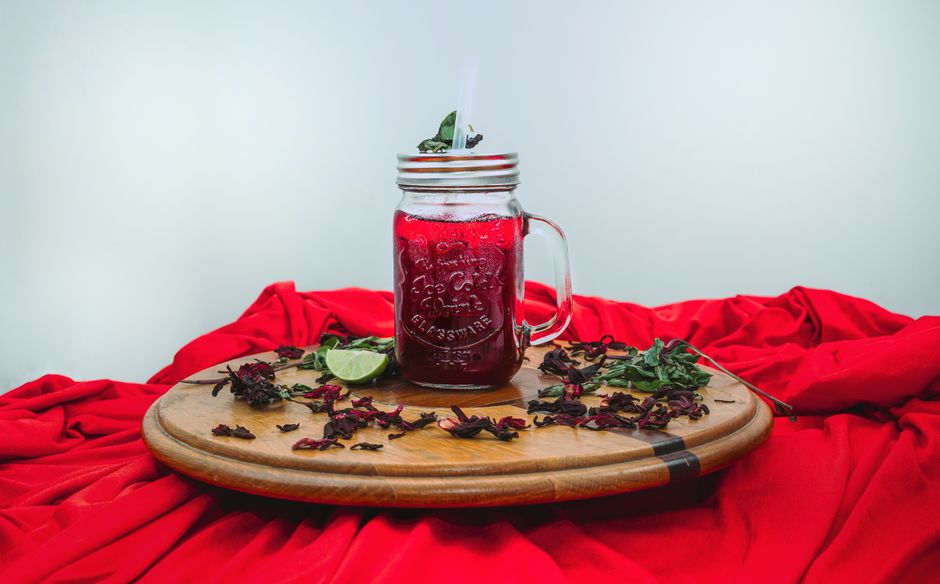
Roselle is the common name for Hibiscus sabdariffa, a plant grown worldwide for its bright red calyces — the fleshy part that surrounds the flower. Those dried calyces are what you find in hibiscus tea, sometimes called sour tea or agua de jamaica. People use roselle for its tart flavor and for its potential health effects, which include supporting blood pressure and providing antioxidants. The plant is not the same as the ornamental hibiscus you might see in gardens; this variety is specifically cultivated for food and medicinal use.
What Is Roselle and How Is It Used?
Roselle is an annual herb that thrives in tropical and subtropical climates. The part used most often is the calyx, which turns deep red as the plant matures. After harvest, the calyces are dried and sold whole, as powder, or in tea blends.
The most common use worldwide is as a beverage. Hot water extraction produces a tart, cranberry-like drink that people enjoy hot or iced. In many countries, roselle is also used in jams, jellies, sauces, and even wines. The leaves are edible too, though they are less common in commercial products.
Traditional medicine systems in West Africa, India, and Mexico have used roselle for generations. Practitioners have used it for conditions like high blood pressure, fever, and digestive complaints. Modern research has focused mainly on the tea and its concentrated extracts.
Nutritional Content of Roselle
Dried roselle calyces contain a range of nutrients, but the amounts you get from a typical cup of tea are small. The plant is rich in vitamin C, though drying and brewing reduce the amount that ends up in your cup. It also provides small amounts of minerals like calcium, magnesium, and potassium.
The most significant nutritional feature of roselle is its polyphenol content. These are plant compounds with antioxidant activity. The main ones in roselle are anthocyanins — the pigments that give the calyces their deep red color — along with hibiscus acid and various flavonoids.
One important point: the antioxidant capacity of roselle tea is real, but it does not mean the tea cures or prevents disease on its own. Antioxidants in food are part of a healthy diet, not a standalone treatment. No food or beverage can compensate for poor overall eating habits.
What Does the Research Say About Blood Pressure?
Blood pressure is the most studied health effect of roselle. Multiple clinical trials have tested hibiscus tea against placebo or against standard blood pressure medications. The results consistently show a modest reduction in blood pressure in people with elevated readings.
The effect appears strongest in people with mild hypertension — readings in the range of 130-139/85-89 mmHg. Some studies have compared roselle tea to ACE inhibitor medications like lisinopril and found similar reductions. However, the effect size is smaller than what prescription medication achieves, and the studies are short-term, usually lasting 4 to 12 weeks.
How roselle lowers blood pressure is not fully understood. One proposed mechanism involves inhibition of angiotensin-converting enzyme, the same target as a class of blood pressure drugs. Another involves increased urine output, similar to a mild diuretic effect. Both mechanisms are biologically plausible, but the exact pathway in humans is still being studied.
If you have high blood pressure, roselle tea is not a substitute for prescribed medication. It may be a reasonable addition to a healthy lifestyle, but you should talk to your doctor before using it regularly, especially if you are already on blood pressure medication.




Cholesterol and Metabolic Effects
Some research has examined roselle’s effect on blood lipids. Studies in people with metabolic syndrome have found modest reductions in total cholesterol and LDL cholesterol — the “bad” cholesterol — with regular consumption of hibiscus tea. Triglyceride reductions have been less consistent across studies.
The evidence here is weaker than for blood pressure. Study designs vary, doses differ, and the duration of trials is short. Some studies show no significant effect on cholesterol at all. The overall picture suggests a possible benefit, but it is not strong enough to recommend roselle as a cholesterol treatment.
Animal studies have shown more dramatic effects on cholesterol than human trials. This is common in nutrition research — animals often respond differently than humans. Those animal results should not be directly applied to human health.
Antioxidant and Anti-Inflammatory Properties
Roselle contains several compounds with antioxidant activity in laboratory tests. Anthocyanins are the most studied. These compounds neutralize free radicals, which are unstable molecules that can damage cells over time.
Laboratory studies also show anti-inflammatory effects. Roselle extracts can reduce markers of inflammation in cell cultures and in animal models. Whether these effects translate to meaningful benefits in humans is not established. Drinking roselle tea will increase the antioxidant capacity of your blood temporarily, but the long-term health implications of that change are unclear.
Some research suggests roselle may support liver health. A few small human studies have found improvements in liver enzyme levels in people with fatty liver disease who consumed hibiscus tea. The evidence is preliminary, and larger trials are needed before any firm conclusions can be drawn.
Safety, Side Effects, and Who Should Avoid It
Roselle tea is generally safe for healthy adults when consumed as a beverage. Side effects are uncommon and usually mild. Some people experience stomach discomfort or increased urination.
There are important safety considerations. Roselle can lower blood pressure, so people on antihypertensive medication should monitor their blood pressure closely. Combining roselle with blood pressure drugs could cause blood pressure to drop too low.
Roselle may interact with certain medications. It can affect how the liver processes some drugs, particularly those metabolized by specific enzyme pathways. If you take prescription medications, check with your pharmacist or doctor before adding roselle to your routine.
Pregnant women should avoid concentrated roselle products. Some traditional practices use roselle to stimulate menstruation, and the safety of high-dose extracts during pregnancy has not been established. No clinical guidelines currently exist for roselle use during pregnancy, so caution is warranted.
People with kidney problems should also be cautious. Roselle has a mild diuretic effect, and its high potassium content could be an issue for people with impaired kidney function. Again, talk to your doctor first.
How to Use Roselle at Home
Making roselle tea at home is simple. Use about 1 to 2 tablespoons of dried calyces per cup of boiling water. Steep for 10 to 15 minutes, then strain. The tea is naturally tart, so many people add honey or another sweetener.
The calyces can be steeped once and then reused, though the flavor becomes weaker with each infusion. You can also cold-brew roselle by steeping the calyces in cold water overnight in the refrigerator.
Dried roselle calyces are available in many grocery stores, Latin markets, and online. Look for deep red calyces without signs of mold or an off smell. Store them in an airtight container away from light and moisture.
The powder form is more concentrated than the dried calyces. It can be added to smoothies, yogurt, or baked goods. Because it is more concentrated, the potential for side effects is higher. Start with small amounts.
Roselle vs. Other Hibiscus Products
Not all hibiscus products are the same. Hibiscus sabdariffa is the species used for food and traditional medicine. Other hibiscus species, like Hibiscus rosa-sinensis, are ornamental plants not intended for consumption.
When you buy hibiscus tea, check the label. Some products contain only roselle calyces. Others blend roselle with other herbs, which changes the flavor and the potential effects. Some commercial “hibiscus” teas contain very little actual roselle.
Supplements are another matter. Roselle extract capsules and powders are sold as dietary supplements. These are more concentrated than tea and have not been studied as thoroughly. The dose in supplements varies widely between brands, and the effects may differ from what research on tea has shown.
Frequently Asked Questions
Does roselle tea actually lower blood pressure?
Yes, clinical trials show modest blood pressure reductions in people with mild hypertension. The effect is smaller than prescription medication and appears within 4 to 12 weeks of regular consumption.
Can I drink roselle tea every day?
For most healthy adults, daily consumption as a beverage is safe. If you take blood pressure medication or have kidney disease, check with your doctor first.
Is roselle the same as regular hibiscus?
No. Roselle is specifically Hibiscus sabdariffa, the species used for tea and food. Ornamental hibiscus plants are different species and are not meant to be eaten.
Does roselle help with weight loss?
Some studies suggest a possible effect on body weight, but the evidence is weak and inconsistent. Roselle tea is a low-calorie beverage that can replace sugary drinks, which may support weight management indirectly.
