
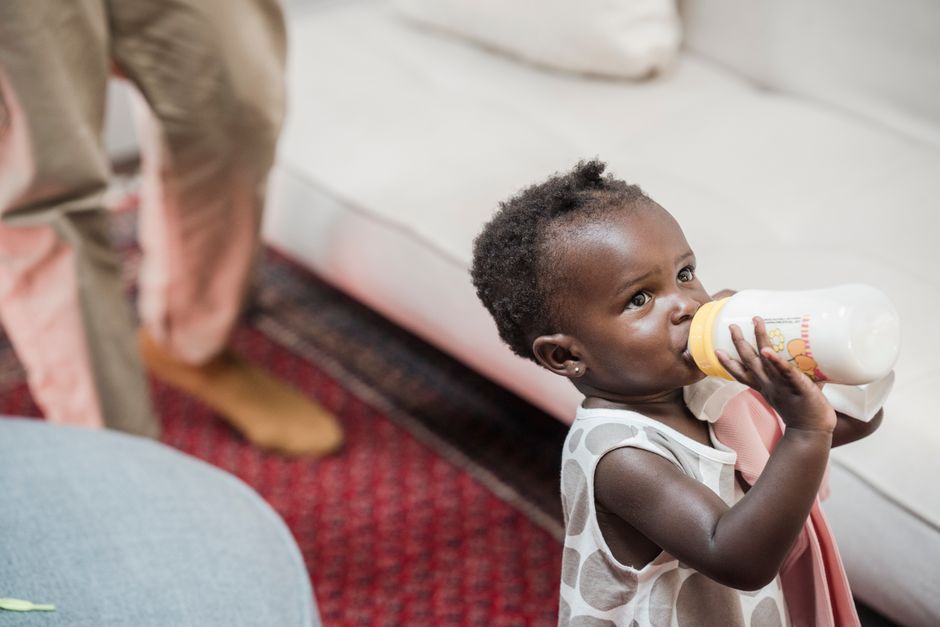
Fairlife milk is a popular brand of ultra-filtered milk, but whether it is a good choice for toddlers depends on your child’s specific nutritional needs. For most toddlers, plain whole Fairlife milk can be a safe and nutritious option because it provides high-quality protein, calcium, and vitamin D. However, its lower sugar content and higher protein levels compared to regular milk mean it is not automatically better, and for some toddlers, it may even be less appropriate than standard whole milk.
What Is Fairlife Milk and How Is It Different From Regular Milk?
Fairlife milk is not a plant-based milk or a formula. It is real cow’s milk that goes through a special filtration process. The company uses a method called ultrafiltration to remove some of the natural water and lactose while concentrating the protein and calcium.
This process changes the nutritional profile in three key ways. First, Fairlife has about 50% more protein than regular milk. Second, it has about 50% less sugar because much of the lactose is filtered out. Third, it has added vitamin D and sometimes extra calcium, depending on the specific product.
For toddlers, the standard recommendation from the American Academy of Pediatrics is whole milk (3.25% milkfat) until age two. Fairlife makes a whole milk version, which is the one to consider for toddlers. Their 2% and skim versions have less fat, which is not ideal for brain development in children under two.
One important detail many parents miss is that Fairlife also sells “DHA” versions with added omega-3s. These are generally safe for toddlers, but the added DHA is not a proven necessity if your child eats other sources of healthy fats.
Does Fairlife Milk Provide Better Nutrition for Toddlers Than Regular Milk?
Research shows that for toddlers who are picky eaters or have trouble getting enough protein, Fairlife’s higher protein content could be a benefit. A single cup of Fairlife whole milk contains about 13 grams of protein. Regular whole milk has about 8 grams per cup.
For a toddler who eats a balanced diet, that extra protein is not needed. Most toddlers get plenty of protein from foods like yogurt, eggs, meat, and beans. Giving them too much protein can put extra work on their kidneys, though this is rarely a problem in healthy children.
The lower sugar content in Fairlife is often seen as a positive. But the sugar in regular milk is naturally occurring lactose, not added sugar. The American Academy of Pediatrics does not recommend limiting naturally occurring sugars from plain milk for toddlers. The concern about sugar in children’s diets is about added sugars found in juice, candy, and flavored milks.
Calcium and vitamin D levels are similar between Fairlife and regular whole milk. Fairlife does add vitamin D and sometimes extra calcium, but regular milk is already fortified with these nutrients. For most toddlers, regular milk provides adequate amounts.
| Nutrient (per 1 cup) | Fairlife Whole Milk | Regular Whole Milk |
|---|---|---|
| Calories | 150 | 149 |
| Total Fat | 8g | 8g |
| Protein | 13g | 8g |
| Sugar | 6g | 12g |
| Calcium | 380mg (30% DV) | 276mg (21% DV) |
| Vitamin D | 2.5mcg (20% DV) | 2.9mcg (15% DV) |
What Are the Concerns About Fairlife Milk for Toddlers?
The main concern is the high protein content. For a toddler under two years old, the recommended daily protein intake is about 13 grams total. One cup of Fairlife whole milk alone provides that entire amount. If a toddler also eats other protein-rich foods, they could easily exceed the recommended intake.
Some studies suggest that very high protein intake in early childhood may be linked to a higher risk of obesity later in life. The research is not conclusive, but it is a reason to be cautious. The European Society for Pediatric Gastroenterology, Hepatology and Nutrition advises that protein intake in toddlers should not exceed 15% of total calories.
Another concern is cost. Fairlife milk is significantly more expensive than regular milk. You are paying for a filtration process that your toddler likely does not need. Unless there is a specific medical reason, the extra cost is not justified by better health outcomes.
There have also been reports of Fairlife products being recalled in the past due to contamination concerns. In 2019, some Fairlife products were recalled due to possible bacterial contamination from the company’s processing facility. While this is rare, it is worth knowing that the product has had quality control issues.





Is Fairlife Milk Good For Toddlers Nutrition Facts for Toddlers With Lactose Sensitivity?
Fairlife milk has about half the lactose of regular milk. For toddlers with mild lactose sensitivity, this can make it easier to digest. True lactose intolerance in toddlers is rare, but some children have temporary lactose malabsorption after a stomach bug.
If your toddler gets gassy or has loose stools after drinking regular milk, Fairlife may be worth trying. The lower lactose content means less fermentation in the gut, which can reduce bloating and discomfort.
However, Fairlife is not lactose-free. It still contains some lactose. For a toddler with confirmed lactose intolerance, a completely lactose-free milk would be a better choice. Fairlife does not make a completely lactose-free product.
Some parents also report that Fairlife tastes sweeter than regular milk despite having less sugar. This is because the ultrafiltration process changes the balance of minerals and proteins, which can affect flavor. Most toddlers do not seem to mind the taste difference, but it is something to be aware of if your child is a picky drinker.
What Do Pediatricians Recommend for Toddler Milk Consumption?
Most pediatricians recommend plain whole milk as the standard for toddlers. The American Academy of Pediatrics states that children ages 12 to 24 months should drink whole milk for the fat content, which supports brain development. After age two, they can switch to low-fat or skim milk if desired.
Pediatricians generally do not recommend Fairlife specifically unless there is a reason. Some doctors may suggest it for toddlers who need extra protein due to growth issues or who have trouble tolerating regular milk. But for the average healthy toddler, regular whole milk is the simpler and cheaper option.
The key recommendation from pediatricians is to limit milk intake to no more than 16 to 24 ounces per day. Too much milk can fill a toddler’s stomach and reduce their appetite for other foods that provide iron and fiber. This is true regardless of whether you use Fairlife or regular milk.
Some pediatricians also caution against using Fairlife as a replacement for formula in infants under 12 months. Fairlife is not infant formula and does not have the right balance of nutrients for babies. It is only appropriate for toddlers who are already eating solid foods and drinking cow’s milk.
What Should Parents Consider Before Choosing Fairlife Milk for Their Toddler?
Start by asking yourself why you are considering Fairlife. If it is because you want a healthier option for your toddler, regular whole milk is already a healthy choice. If it is because your child has digestive issues or needs more protein, Fairlife may be worth a try.
Check the label carefully. Fairlife sells several varieties, including chocolate and strawberry flavored milks. These contain added sugar and are not recommended for toddlers. Only the plain whole milk version is appropriate for children under two.
Consider your budget. Fairlife costs roughly twice as much as regular milk. There is no strong evidence that it provides any health benefit for toddlers that regular milk does not. For most families, the extra cost is not justified.
If you do decide to try Fairlife, introduce it slowly. Start with a few ounces mixed with regular milk to see how your toddler tolerates it. Watch for any signs of digestive upset or changes in appetite. If your child seems to do well with it, there is no harm in using it as part of a balanced diet.
Frequently Asked Questions
Can I give Fairlife milk to my 1-year-old?
Yes, you can give Fairlife whole milk to a 1-year-old, but regular whole milk is typically recommended by pediatricians as the standard choice. Fairlife’s higher protein content is not necessary for most toddlers.
Is Fairlife milk better than regular milk for toddlers?
No, Fairlife milk is not better than regular milk for most toddlers. It has more protein and less sugar, but these differences do not provide proven health benefits for healthy children eating a balanced diet.
Does Fairlife milk cause constipation in toddlers?
Some parents report that Fairlife milk causes less constipation than regular milk due to its lower lactose content. However, individual reactions vary, and there is no strong research on this specific claim.
Is Fairlife milk safe for toddlers with milk allergies?
No, Fairlife milk is still cow’s milk and is not safe for toddlers with a milk protein allergy. It is only suitable for those with lactose sensitivity, not a true milk allergy.
