
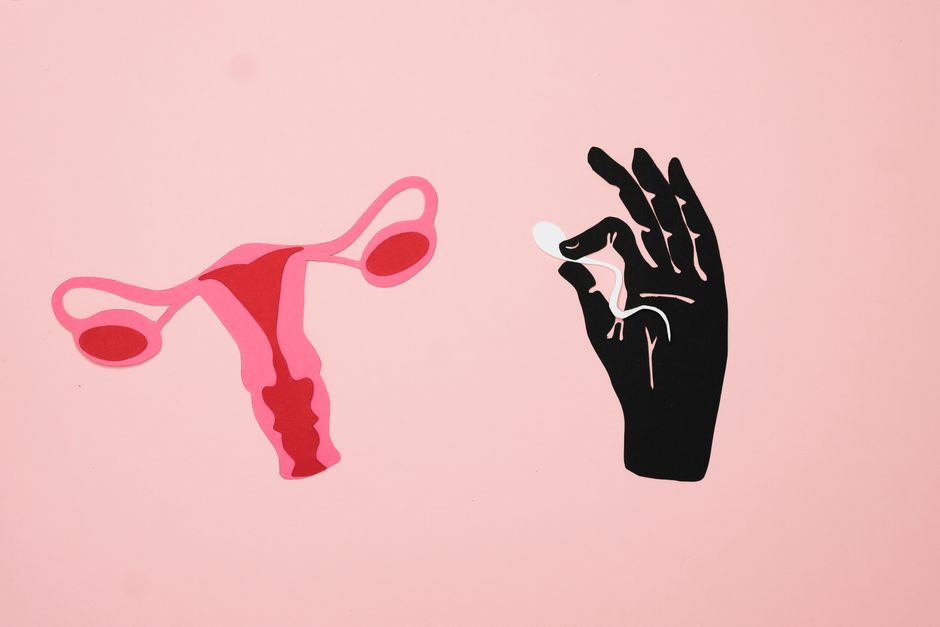
A retroflexion uterus is a uterus that tilts backward toward the spine instead of forward toward the belly. Colonoscopy is a procedure that uses a flexible camera to examine the inside of the colon. These two terms are unrelated, and the phrase that combines them is not a recognized medical diagnosis or procedure. If you searched for this phrase, you likely encountered one of two separate topics and want a clear answer on each.
What Is a Retroflexion Uterus?
A retroflexed uterus — also called a retroverted uterus — is a normal anatomical variation. The uterus typically leans forward over the bladder. In roughly one in five women, it tilts backward instead.
This is not a disease. It is a positional difference, much like being left-handed. The uterus is held in place by ligaments, and the angle at which it sits varies naturally from person to person.
Many women with a retroverted uterus have no symptoms and never know they have one. It is often discovered incidentally during a routine pelvic exam, ultrasound, or other imaging.
The condition can be congenital — present from birth — or it can develop later. Causes of an acquired retroverted uterus include:
- Pelvic adhesions from surgery or infection
- Endometriosis, which can cause scar tissue that pulls the uterus backward
- Uterine fibroids, depending on their size and location
- Pelvic inflammatory disease
- Pregnancy and childbirth, which can loosen the supporting ligaments
- Menopause, due to changes in ligament tone
In most cases, no treatment is needed. The position itself does not affect fertility, does not cause miscarriage, and does not require correction. Some women with a retroverted uterus report pelvic discomfort or pain during intercourse, but the evidence linking the position itself to these symptoms is not strong. Other conditions are often the real cause.
What Is a Colonoscopy?
A colonoscopy is a procedure in which a doctor inserts a long, flexible tube with a camera into the rectum to examine the entire colon and sometimes the lower part of the small intestine. It is used to screen for colorectal cancer, investigate symptoms like rectal bleeding or chronic diarrhea, and diagnose conditions such as inflammatory bowel disease.
During a colonoscopy, the doctor can remove polyps, take tissue samples, and treat certain problems directly. The procedure typically requires bowel preparation the day before and sedation during the exam.
Colonoscopy is one of several colorectal cancer screening options. Others include stool-based tests and flexible sigmoidoscopy. Each has different strengths and limitations. No single test is best for everyone.
What Is Retroflexion in Colonoscopy?
Retroflexion during colonoscopy is a technique where the doctor bends the tip of the colonoscope backward to look at the rectum from a reversed angle. This allows examination of areas that are hard to see when the scope is pointing forward.
The rectum has folds and blind spots. A forward-facing view can miss polyps or lesions hidden behind these folds. Retroflexion helps the doctor see the anal canal, the distal rectum, and the area just inside the anal verge more completely.
This technique is commonly used in the rectum. Some doctors also attempt retroflexion in the right colon, though this is less standardized and not universally performed. The evidence on whether right-colon retroflexion improves polyp detection is mixed. Some studies suggest it may help in certain cases; others show no clear benefit.
Retroflexion is generally safe when performed by an experienced endoscopist. Risks include minor bleeding or, rarely, perforation, but these are uncommon. The technique is not painful for the patient because sedation is typically used.





Why Are These Two Terms Confused?
The word “retroflexion” appears in both gynecology and gastroenterology, but it means different things in each context. In gynecology, it describes the position of the uterus. In colonoscopy, it describes a maneuver with the scope.
This overlap in terminology likely explains why people search for “retroflexion uterus colonoscopy.” The two concepts are not connected. A retroverted uterus does not affect how a colonoscopy is performed, and colonoscopy does not diagnose or treat a retroverted uterus.
If you have a retroverted uterus and are scheduled for a colonoscopy, the two facts are independent. Your uterine position does not change the colonoscopy procedure or its risks.
Does a Retroverted Uterus Affect Colonoscopy?
No. A retroverted uterus does not affect the performance or findings of a colonoscopy. The colon and rectum are separate from the uterus, and the scope travels through the bowel, not the reproductive organs.
In rare cases, a significantly enlarged uterus — from fibroids or pregnancy — could press against the colon and make the procedure technically more challenging. But this is about uterine size, not uterine position. A retroverted uterus of normal size does not interfere with colonoscopy.
Some women worry that a retroverted uterus increases the risk of perforation during colonoscopy. There is no evidence for this. The risk of perforation during colonoscopy is low and is related to factors like age, the presence of diverticular disease, and the use of certain medications — not uterine position.
When Should You See a Doctor?
See a doctor if you have pelvic pain, pain during intercourse, difficulty inserting tampons, or urinary symptoms. These can have many causes, and a retroverted uterus is only one possibility. A pelvic exam and imaging can help determine what is going on.
For colonoscopy, follow your doctor’s recommendations on screening. Colorectal cancer screening guidelines vary by organization and by individual risk. In general, most guidelines recommend starting screening at age 45 for average-risk adults. People with a family history or other risk factors may need to start earlier.
If you have rectal bleeding, a change in bowel habits lasting more than a few weeks, unexplained weight loss, or persistent abdominal pain, see a doctor. These symptoms need evaluation, regardless of your uterine position.
Key Takeaways
- A retroverted uterus is a normal variation in uterine position, not a disease.
- Colonoscopy is a procedure to examine the colon and rectum.
- Retroflexion in colonoscopy is a technique to view the rectum from a reversed angle.
- The two terms are unrelated despite sharing a word.
- A retroverted uterus does not affect colonoscopy or its risks.
- See a doctor for pelvic symptoms or colorectal symptoms that concern you.
Frequently Asked Questions
What is a retroflexion uterus?
A retroflexion uterus is a uterus that tilts backward toward the spine instead of forward. It is a normal anatomical variation, not a medical condition.
Does a retroverted uterus cause problems?
Most women with a retroverted uterus have no symptoms. Some may experience pelvic discomfort, but the position itself is rarely the cause of significant problems.
Can a retroverted uterus affect colonoscopy?
No, a retroverted uterus does not affect colonoscopy. The procedure examines the colon and rectum, which are separate from the uterus.
What is retroflexion during colonoscopy?
Retroflexion during colonoscopy is a technique where the doctor bends the scope backward to see the rectum from a reversed angle. It helps find polyps or lesions that might be hidden from a forward view.
