
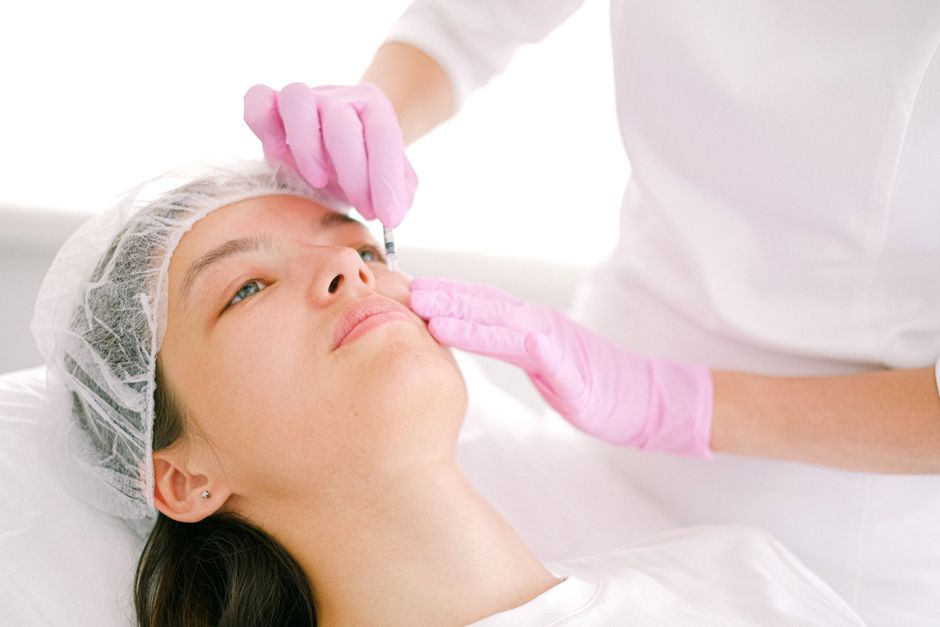
Botox can help with hooded eyelids in some cases, but it is not a cure-all and results depend heavily on your specific anatomy. The treatment works by relaxing the muscles that pull the brow down, which can create a subtle lift in the outer brow area. For mild to moderate hooding caused by muscle tension, Botox often provides a visible improvement that lasts three to four months. However, if your hooded eyelids are caused by excess skin or sagging from aging, Botox will not tighten or remove skin — only surgery can do that.
What Actually Causes Hooded Eyelids?
Hooded eyelids happen when extra skin folds down from the brow bone and covers the natural crease of the upper eyelid. This can make eyes look smaller or more tired than they are. The causes vary from person to person.
Genetics plays a big role. Some people are born with a lower brow position or thinner skin that droops more easily. Aging is another major factor. As we get older, collagen production slows and skin loses elasticity. The muscles around the brow also weaken, which allows the brow to drop lower over time.
Muscle overactivity is a less discussed cause. The frontalis muscle in the forehead lifts the brow. When this muscle is overactive from squinting or facial expressions, it can pull the brow into a raised position. But the muscles that pull the brow down — the orbicularis oculi and corrugator muscles — can also be overactive. This downward pull contributes to hooding. Botox targets these downward-pulling muscles specifically.
How Does Botox Address Hooded Eyelids?
Botox works by blocking nerve signals to specific muscles. When injected into the muscles that pull the brow down, it temporarily weakens them. The upward-pulling muscles then have less resistance, allowing the brow to lift slightly. This lift can open up the eye area and reduce the appearance of hooding.
The typical injection points are the outer brow area and the glabella — the space between your eyebrows. A skilled injector places small amounts of Botox in precise locations. The goal is to create a subtle lift without altering your natural expression. Overdoing it can lead to a surprised or unnatural look.
Results are not instant. Most people see improvement within three to seven days, with full effect at two weeks. The lift is usually subtle — think a few millimeters of elevation, not a dramatic change. This small change can make a noticeable difference in how open your eyes look.
What Does Research on Botox for Hooded Eyelids Show?
Clinical studies have examined Botox for brow lifting and its effect on eyelid hooding. A 2020 study published in Aesthetic Surgery Journal found that Botox injections to the brow depressor muscles produced an average brow lift of 1.5 to 3 millimeters. This was measured using standardized photographs and computer analysis. Participants reported high satisfaction with the cosmetic outcome.
Another study in Dermatologic Surgery from 2018 looked at patients with mild to moderate brow ptosis — the medical term for drooping brow. After Botox treatment, 87 percent of patients showed measurable brow elevation at four weeks. The effect lasted an average of 3.5 months.
Research also shows that results depend on injection technique. A 2021 review in Plastic and Reconstructive Surgery emphasized that proper placement is critical. Injecting too close to the brow can actually worsen hooding by weakening the muscles that lift the brow. This is why choosing an experienced injector matters more than the brand of Botox used.
It is important to note that no studies claim Botox can replace surgery for severe hooding. The evidence supports Botox as a treatment for mild to moderate cases where muscle activity is a contributing factor.



Who Is a Good Candidate for Botox for Hooded Eyelids?
Good candidates have mild to moderate hooding caused by muscle tension rather than excess skin. You can test this yourself. Gently lift the outer part of your brow with your finger. If the hooding significantly improves, Botox may help by mimicking that lift. If the skin remains heavy even when lifted, the issue is likely excess skin rather than muscle position.
People with severe hooding that affects their vision are not good candidates for Botox. This condition, called ptosis, requires surgical correction. Botox cannot remove or tighten loose skin.
Age is less important than skin quality and brow position. A person in their 30s with muscle-driven hooding may see excellent results. Someone in their 60s with significant skin laxity may see minimal improvement. A consultation with a board-certified dermatologist or plastic surgeon is the only way to know for sure.
What Are the Side Effects and Risks?
Common side effects are mild and temporary. Bruising at the injection site happens in about 10 to 20 percent of cases. Redness and swelling are also common but usually resolve within hours. Some people report a headache for a day or two after treatment.
More serious risks are rare but real. The most concerning is eyelid ptosis — where the eyelid droops because Botox spreads to the wrong muscle. This happens when the injector places Botox too close to the eyelid or uses too high a dose. Ptosis from Botox is temporary, typically lasting two to four weeks, but it can be distressing while it lasts.
Other rare side effects include eyebrow asymmetry, where one brow lifts more than the other. This usually corrects itself as the Botox wears off. Double vision or difficulty closing the eye completely is very rare but possible with improper technique.
To minimize risks, only see a licensed medical professional with experience in facial anatomy. Ask how many Botox treatments they perform per month. A good injector will tell you honestly if you are not a candidate rather than taking your money.
Botox vs. Other Options for Hooded Eyelids
Botox is not the only option. Here is how it compares to the most common alternatives:
| Treatment | How It Works | Best For | Duration | Downtime |
|---|---|---|---|---|
| Botox | Relaxes brow-depressing muscles | Mild to moderate muscle-driven hooding | 3-4 months | None |
| Blepharoplasty (eyelid surgery) | Removes excess skin and fat | Moderate to severe skin-driven hooding | Permanent (10+ years) | 1-2 weeks |
| Brow lift (endoscopic) | Lifts entire brow position surgically | Low brow position with hooding | 5-10 years | 1-2 weeks |
| Dermal fillers | Adds volume to brow area for lift | Volume loss around brow | 12-18 months | Minimal |
| Radiofrequency or ultrasound skin tightening | Stimulates collagen production | Mild skin laxity | 6-12 months | None |
Each option has trade-offs. Botox is the least invasive but also the most temporary. Surgery offers permanent results but requires recovery time and carries surgical risks. Fillers can work well for some but are not FDA-approved specifically for brow lifting. Non-surgical skin tightening devices have mixed evidence and usually require multiple sessions.
Common Misconceptions About Botox and Hooded Eyelids
One widespread myth is that Botox can lift the entire eyelid. It cannot. Botox only affects the brow position. The improvement comes from the brow lifting, which then changes how the eyelid skin drapes. The eyelid itself does not change.
Another misconception is that more Botox produces better results. The opposite is often true. Higher doses increase the risk of ptosis and asymmetry. The goal is the smallest effective dose, not the largest.
Some people believe Botox is permanent and will make hooding worse if you stop. This is false. When Botox wears off, your muscles return to their normal activity. Your brow will go back to where it was before treatment. It will not become worse.
There is also a belief that Botox works for everyone with hooded eyelids. As discussed, it only helps when muscle activity is a factor. If your hooding is purely from skin, Botox will not help and may even make the skin look heavier by relaxing the brow further.
What to Expect During a Botox Appointment for Hooded Eyelids
The appointment usually takes 15 to 20 minutes. Your provider will first assess your facial anatomy. They may ask you to raise and lower your brows to see which muscles are active. They will mark injection points with a pen.
The injections themselves feel like small pinpricks. Most people tolerate them well without numbing. Some clinics offer ice or a topical numbing cream if you are sensitive. You will receive between 4 and 10 injections depending on your needs.
After the injections, you can go back to your normal activities immediately. The main instruction is to avoid rubbing the area for 24 hours. Rubbing can spread Botox to unintended muscles. You should also avoid lying down flat for four hours after treatment and avoid strenuous exercise for 24 hours.
Results appear gradually. Some people see a change within two days, but full results take up to two weeks. Plan to have touch-ups if needed at your follow-up appointment, which is usually two weeks later.
Cost varies by location and provider. In the United States, Botox for brow lifting typically costs between $200 and $600 per session. Insurance does not cover cosmetic Botox. Some practices charge per unit, with brow treatments using 10 to 20 units on each side.
How to Find a Qualified Injector
Do not choose based on price alone. A cheap deal from an inexperienced injector can lead to poor results or complications. Look for a board-certified dermatologist, plastic surgeon, or oculoplastic surgeon. These specialists have extensive training in facial anatomy.
Check their before-and-after photos. Look for patients with similar brow and eyelid anatomy to yours. Read reviews, but take them with perspective — one bad review among hundreds of good ones is less concerning than a pattern of complaints about asymmetry or ptosis.
Ask questions during your consultation. How many Botox treatments for hooded eyelids have you performed? What results can I realistically expect? What are the risks specific to my anatomy? A good provider will answer honestly and may recommend against Botox if it is not right for you.
Beware of injectors who promise dramatic lifts or guarantee results. Honest providers will tell you that Botox provides a subtle improvement, not a transformation. If someone claims Botox can replace surgery for severe hooding, find another provider.
Frequently Asked Questions
How long does Botox for hooded eyelids last?
Results typically last three to four months. The muscle gradually regains function as the Botox wears off, and repeat treatments are needed to maintain the effect.
Can Botox make hooded eyelids worse?
Yes, if injected incorrectly. Botox placed too close to the brow or in too high a dose can weaken the lifting muscles and cause the brow to drop further. This is why an experienced injector is essential.
Is Botox or surgery better for hooded eyelids?
It depends on the cause. Botox is better for mild hooding from muscle tension. Surgery is better for moderate to severe hooding from excess skin. Many people start with Botox and consider surgery later if needed.
Does insurance cover Botox for hooded eyelids?
No, not for cosmetic purposes. Insurance only covers Botox for medical conditions like chronic migraines or muscle spasms. Hooded eyelid treatment is considered cosmetic and is paid out of pocket.
