
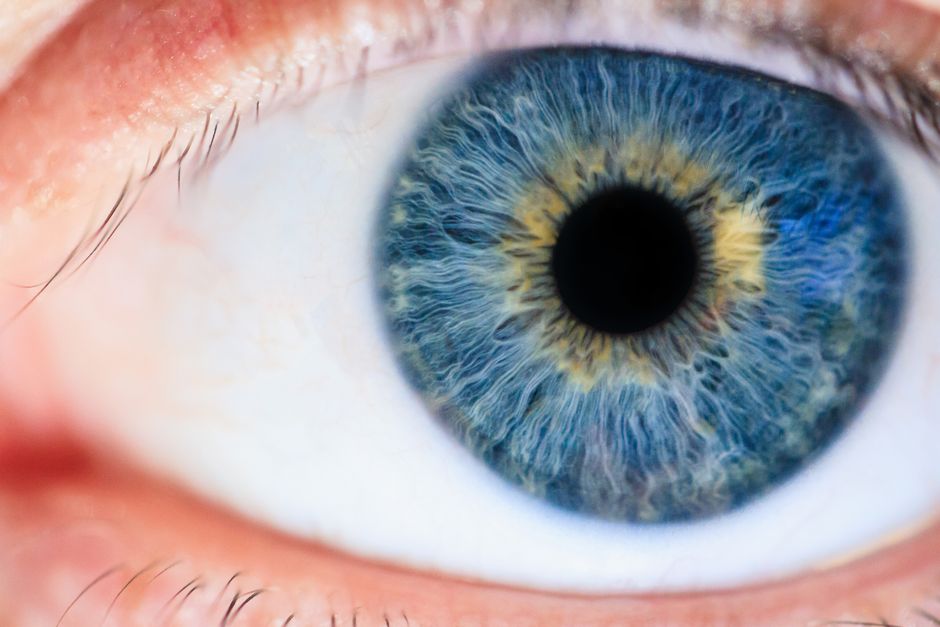
Your pupils are the black centers of your eyes. They change size all day long without you noticing. When they get bigger than normal, that’s called pupil dilation.
Dilated pupils happen when the muscle that widens the pupil pulls it open. This can be a normal response to light, a sign of strong emotion, or a side effect of medication. In some cases, it points to a medical problem that needs attention.
Here is what causes dilated pupils, when to worry, and when it is simply your eyes doing their job.
What Is Pupils Dilated?
Pupil dilation means the black opening in the center of your eye has widened. The colored part around it is the iris. Two muscles inside the iris control the pupil’s size.
The sphincter muscle makes the pupil smaller. The dilator muscle makes it bigger. These muscles respond to signals from your nervous system and from chemicals in your bloodstream.
A normal pupil changes size constantly. It narrows in bright light to protect the retina. It widens in dim light to let in more. This is automatic and healthy.
Doctors describe pupil size in millimeters. In normal room light, most pupils measure between 2 and 4 millimeters. In darkness they can reach 4 to 8 millimeters. These ranges vary from person to person.
When someone says their pupils are dilated, they usually mean the pupils look larger than expected for the lighting. Both pupils are often affected equally. When only one pupil is dilated, that difference matters more to doctors.
What Causes Dilated Pupils?
Dilated pupils come from many sources. Most are harmless. Some are not.
Light and darkness. The most common cause is low light. Your pupil widens to capture more light so you can see in a dark room.
Emotion and arousal. Strong feelings can widen your pupils. Fear, surprise, attraction, and excitement all trigger the nervous system in ways that affect pupil size. This is real and measurable, though people often overestimate how obvious it looks to others.
Medications and drugs. Many substances widen the pupil. These include:
- Antihistamines and some cold medicines
- Certain antidepressants
- Motion sickness patches containing scopolamine
- Some Parkinson’s disease medications
- Stimulants, including prescription ones and recreational drugs like cocaine or amphetamines
- Hallucinogens such as LSD
Eye drops. Eye doctors use dilating drops to widen your pupil for an exam. These effects can last several hours to more than a day, depending on the drop used.
Medical conditions. A few health problems affect pupil size. These include head injury, stroke, seizures, and problems with the nerves that control the eye. Adie’s pupil is a condition where one pupil reacts slowly to light and stays enlarged. It is usually harmless but should be checked.
Drug withdrawal. Coming off certain substances, including opioids, can cause pupils to widen. This is a recognized sign of withdrawal.
When Should Dilated Pupils Worry You?
A sudden change in one pupil, especially with other symptoms, needs urgent medical care. This is the situation where timing matters most.
Call emergency services or go to an emergency room if dilated pupils come with any of these:
- Sudden severe headache
- Confusion, dizziness, or trouble staying awake
- Blurred vision or double vision that starts suddenly
- Eye pain or redness
- Nausea or vomiting with a headache
- Weakness or numbness on one side of the body
- Slurred speech
- Recent head injury
- One pupil clearly larger than the other, especially if it just appeared
A difference in pupil size is called anisocoria. Up to one in five healthy people have a small natural difference between their pupils. That is normal. A new or rapidly growing difference is not.
One important point: doctors do not rely on pupil size alone to judge a head injury or brain emergency. A single dilated pupil can be a warning sign, but it is one piece of a larger exam. If someone is confused or hard to wake after a head injury, that matters even if the pupils look normal.




How Are Dilated Pupils Diagnosed?
A doctor or eye specialist checks your pupils with a simple exam. No special preparation is needed.
The exam usually includes:
- Shining a light into each eye to see how the pupil reacts
- Comparing the size of both pupils in light and dark
- Testing how the pupil responds when you look at something close
- Checking eye movement and eyelid position
Your doctor will also ask about medications, recent injuries, and other symptoms. This history often explains the cause without further testing.
If the cause is unclear, more tests may be ordered. These can include blood tests, imaging of the brain, or a referral to a neurologist or eye specialist. The right test depends on what the exam and history suggest.
How Are Dilated Pupils Treated?
Treatment depends entirely on the cause. There is no single treatment for dilated pupils.
If a medication is the cause, your doctor may adjust the dose or switch to a different drug. Never stop a prescribed medicine on your own. Talk to your doctor first.
If dilating eye drops caused it, the effect fades on its own. You may have light sensitivity and blurry near vision until it wears off. Sunglasses can help with the light. The exact time it lasts depends on which drop was used.
If a medical condition is the cause, treating that condition is the focus. A head injury, stroke, or nerve problem needs its own care. The pupil often returns to normal as the underlying issue is managed.
Some causes, like Adie’s pupil, need no treatment at all. Others may need glasses or other support for vision changes.
Can You Control Pupil Dilation on Purpose?
No. You cannot widen or narrow your pupils by choice. The muscles that control the pupil are not under voluntary control.
Some people claim you can train your pupils through relaxation or focus exercises. There is no reliable evidence that this works. Pupil size is governed by the autonomic nervous system, which runs automatically.
What you can do is notice changes. If your pupils look different from normal and you feel unwell, that is information worth acting on.
Do Dilated Pupils Always Mean Something Is Wrong?
No. Most of the time, dilated pupils are normal.
They widen in dim light. They widen when you feel strong emotions. They widen from common medicines. They widen during an eye exam. These are expected and harmless.
The key is context. Ask yourself:
- Did this start suddenly?
- Is only one pupil affected?
- Do I have other symptoms like headache, confusion, or vision changes?
- Did I start a new medication recently?
If the answer to any of the first three is yes, get medical help. If a new medication is the likely cause, call your doctor to discuss it.
Pupils are a window into the nervous system. That is why doctors watch them closely. For most people, most of the time, a wide pupil is just your eye doing its job.
Frequently Asked Questions
What does it mean when your pupils are dilated?
It means the black center of your eye has widened larger than usual. This can be normal, such as in dim light or during strong emotion, or it can be caused by medication or a medical condition.
When should I worry about dilated pupils?
Seek emergency care if dilated pupils come with a sudden severe headache, confusion, one-sided weakness, slurred speech, or a recent head injury. A new difference in size between your two pupils also needs prompt medical attention.
Can stress cause dilated pupils?
Yes. Strong emotions, including fear and stress, can widen your pupils through the nervous system. This is a normal response and usually passes once the feeling settles.
How long do dilated pupils last after an eye exam?
It depends on the dilating drops used, and the effect can range from a few hours to more than a day. Your eye doctor can tell you what to expect for the specific drops they use.
