
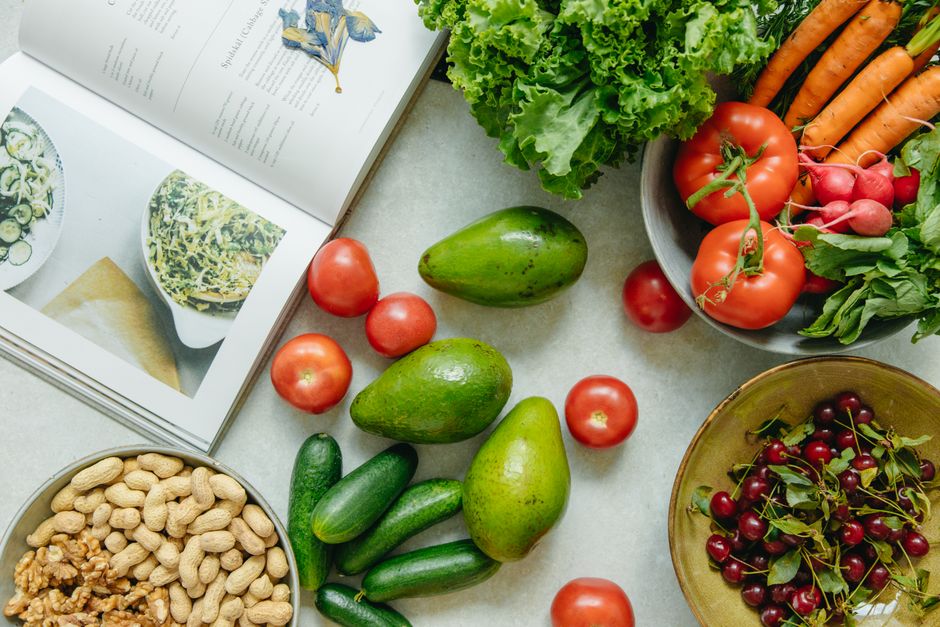
Good fats are essential for your body to function, but not all fats are created equal. The best food sources of good fat include fatty fish like salmon, avocados, nuts, seeds, and olive oil, which provide heart-healthy unsaturated fats. These foods help your body absorb vitamins, build cell membranes, and support brain function.
What Are the Different Types of Dietary Fat?
Understanding fats starts with knowing the basic categories. Fats are generally divided into unsaturated fats, saturated fats, and trans fats.
Unsaturated fats are the ones most experts agree are beneficial. They are liquid at room temperature and come mainly from plant sources and fatty fish. Saturated fats are solid at room temperature and come mostly from animal products like butter and red meat. Trans fats are largely artificial and are recognized as harmful.
Your body needs fat for energy, hormone production, and nutrient absorption. Vitamins A, D, E, and K are fat-soluble, meaning your body cannot absorb them without dietary fat.
What Foods Have Good Fat Top Sources Explained
Some foods stand out because they provide high amounts of beneficial fats along with other nutrients. These are the top sources worth including in your regular diet.
Avocados are one of the most concentrated fruit sources of monounsaturated fat. A single avocado provides a substantial portion of your daily fat needs, mostly in the form of oleic acid, the same type of fat found in olive oil.
Extra virgin olive oil is the cornerstone of the Mediterranean diet, which research consistently links to better heart health. It is rich in monounsaturated fats and polyphenols, plant compounds with antioxidant properties.
Fatty fish such as salmon, sardines, mackerel, and anchovies provide omega-3 fatty acids. These are polyunsaturated fats that your body cannot make on its own. The two most important types, EPA and DHA, support heart and brain health.
Nuts including walnuts, almonds, and pistachios deliver a mix of monounsaturated and polyunsaturated fats. Walnuts are particularly notable because they contain plant-based omega-3s.
Seeds such as chia seeds, flaxseeds, and hemp seeds are also excellent sources. Chia and flax seeds provide alpha-linolenic acid, a type of plant omega-3 that your body converts to EPA and DHA, though inefficiently.
Why Are Omega-3 Fatty Acids So Important?
Omega-3 fatty acids receive more attention than any other type of fat, and for good reason. They are essential, meaning your body cannot produce them. You must get them from food.
Three main types exist. EPA and DHA come from marine sources, primarily fatty fish. ALA comes from plant sources like flaxseeds and walnuts.
The conversion of ALA to EPA and DHA is limited in humans. Research suggests that only a small percentage of ALA converts to EPA, and even less converts to DHA. This is why eating fatty fish directly is the most reliable way to raise your omega-3 levels.
Dietary guidelines generally recommend eating at least two servings of fish per week, with an emphasis on fatty fish. This recommendation is based on consistent evidence linking fish consumption to lower rates of cardiovascular disease.
For people who do not eat fish, algae-based supplements provide DHA directly. Flaxseed oil and chia seeds remain useful plant options, but they are not equivalent replacements for marine sources.





Are Saturated Fats Always Bad?
The relationship between saturated fat and heart disease is more complex than past headlines suggested. Early research linked saturated fat to higher cholesterol levels, and that connection is real. The question is whether that translates directly to heart attacks and strokes.
Recent large studies have produced mixed results. Some find a weak association between saturated fat intake and heart disease. Others find no significant link when saturated fat replaces refined carbohydrates.
What most researchers agree on is this: the type of food matters. Saturated fat from a doughnut is not the same as saturated fat from a piece of cheese or a handful of dark chocolate. Whole foods bring other nutrients along with their fat content.
Current dietary guidance still recommends limiting saturated fat to less than 10 percent of daily calories. This remains the official position of major health organizations. The practical takeaway is not to obsess over small amounts from whole foods, but to avoid making saturated fat your primary fat source.
Do You Need to Avoid All Trans Fats?
Artificial trans fats are the one type of fat that virtually all experts agree you should avoid completely. These are created by adding hydrogen to vegetable oil to make it solid at room temperature.
Food manufacturers used trans fats for decades because they extended shelf life and improved texture. Fried foods, baked goods, and processed snacks often contained them.
The evidence against trans fats is unusually strong. Research consistently shows they raise LDL cholesterol and lower HDL cholesterol simultaneously, a combination that increases heart disease risk more than saturated fat alone.
Many countries have banned artificial trans fats entirely. In the United States, the Food and Drug Administration determined that partially hydrogenated oils, the main source of artificial trans fats, are no longer generally recognized as safe.
Natural trans fats exist in small amounts in dairy and meat from ruminant animals. These occur naturally and have not been linked to the same health risks as the artificial versions.
The practical advice is simple. Check ingredient lists and avoid any product that lists partially hydrogenated oil. Most processed food manufacturers have reformulated their products, but some imported goods and commercial baked items still contain them.
How Much Good Fat Should You Eat Daily?
Fat should make up a significant portion of your daily calories. Dietary guidelines generally recommend that 20 to 35 percent of your total daily calories come from fat.
For someone eating 2,000 calories per day, this translates to roughly 44 to 78 grams of fat daily. This range is broad because individual needs vary based on total calorie intake, activity level, and health status.
Within that total, the quality of fat matters more than the exact quantity. Replacing saturated fats with unsaturated fats is associated with better health outcomes. Swapping butter for olive oil or eating nuts instead of processed snacks are examples of meaningful changes.
No specific daily target exists for unsaturated fat intake. The guidance is directional rather than precise: most of your fat should come from unsaturated sources.
Practical Ways to Add More Good Fats to Your Diet
Adding good fats does not require a complete diet overhaul. Small consistent changes make the biggest difference over time.
- Use olive oil as your primary cooking oil and salad dressing base.
- Add a handful of nuts to your morning oatmeal or yogurt.
- Eat fatty fish twice per week, whether grilled, baked, or canned.
- Spread avocado on toast instead of butter.
- Sprinkle chia seeds or ground flaxseeds into smoothies.
- Snack on olives or trail mix instead of chips.
One caution applies to all of these foods. They are calorie-dense, which means a small volume contains many calories. Portion awareness matters, especially for people watching their weight.
The evidence supporting these foods is strong. Populations that eat traditional diets rich in olive oil, fish, and nuts consistently show lower rates of heart disease compared to populations eating more processed foods.
What About Coconut Oil and Other Trendy Fats?
Coconut oil gained popularity in recent years despite being about 90 percent saturated fat. Marketing claims suggested it could boost metabolism or improve cholesterol profiles.
The evidence does not support these claims. Coconut oil raises both LDL and HDL cholesterol. Whether the HDL increase offsets the LDL increase remains unclear, and most cardiology experts do not recommend coconut oil as a health food.
The American Heart Association has explicitly advised against using coconut oil based on its saturated fat content. Some research suggests it may be less harmful than butter, but it is not a substitute for unsaturated oils like olive oil.
Other trendy fats face similar issues. Ghee, lard, and tallow are all primarily saturated fats. They are not toxic, but they are not superior to plant-based unsaturated fats either.
The reliable pattern across decades of research is consistent. Diets rich in unsaturated plant and fish fats are associated with better health. Diets rich in saturated animal and tropical fats are not.
Frequently Asked Questions
Which food has the highest amount of good fat?
Avocados and olive oil are among the most concentrated sources of monounsaturated fat, while walnuts and flaxseeds are top plant sources of omega-3s.
Are eggs a good source of healthy fat?
Eggs contain about 5 grams of fat each, mostly in the yolk, with a mix of saturated and unsaturated fats plus beneficial nutrients like choline.
Can you eat too much healthy fat?
Yes, all fats contain 9 calories per gram, so even healthy fats can lead to weight gain when eaten in excess of your calorie needs.
Is peanut butter considered a good fat source?
Peanut butter provides mostly monounsaturated fats and is a reasonable choice when unsweetened, but it contains more saturated fat than almond or walnut butter.
