
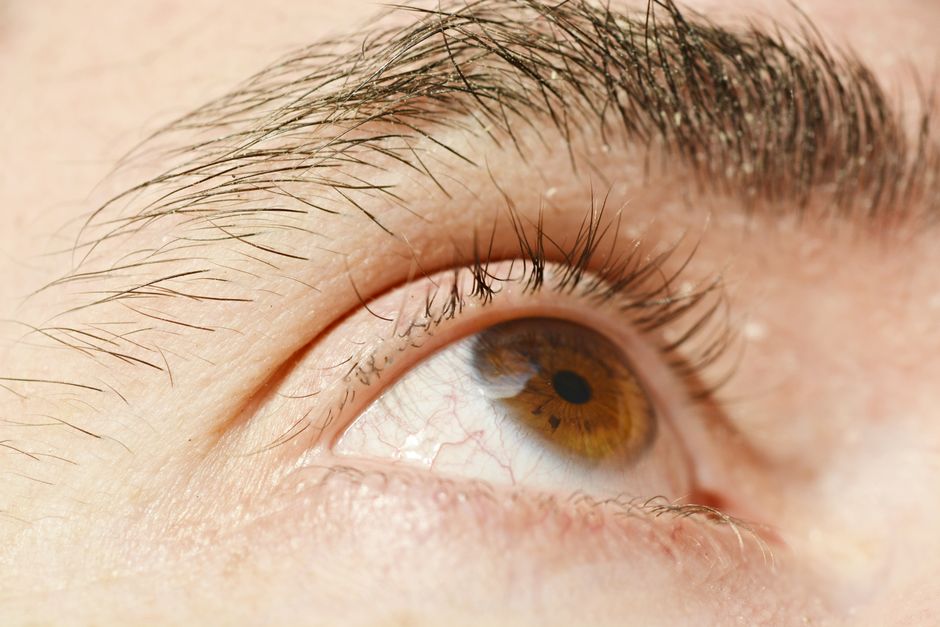
A swollen eyeball is alarming, and it is also a specific medical sign. The clear outer layer of your eye, called the cornea, does not swell like other body parts. True eyeball swelling usually points to fluid buildup inside the eye or inflammation in the tissues directly behind it. More often, what feels like a swollen eyeball is actually a swollen eyelid or the tissue around the eye. This article explains the difference, the most common causes, and when a swollen eye is an emergency.
Why Is Your Eyeball Swollen? The Main Causes
When people say their eyeball is swollen, they usually mean one of three things: the white part of the eye is puffy, the eye feels like it is bulging forward, or the eyelid is so swollen it presses against the eye. Each has different causes.
Chemosis is the medical term for a swollen conjunctiva, the clear membrane covering the white of the eye. This tissue can fill with fluid and look like a blister or a water balloon on the surface of the eye. Allergies are the most common trigger. Rubbing your eyes aggressively can also cause it because the friction releases histamine and stretches the fragile tissue.
If the eyeball itself appears to protrude forward from the socket, that is called proptosis or exophthalmos. This is not eyelid swelling. It is a change in the position of the eyeball within the bony socket. The most well-known cause is thyroid eye disease, an autoimmune condition often linked to Graves’ disease. This condition causes inflammation and fat buildup behind the eye, pushing it forward.
Swollen Eyelid vs. Swollen Eyeball
Most cases of a “swollen eye” are actually eyelid swelling. The eyelid skin is the thinnest skin on your body. It has no fat layer, so any fluid retention or inflammation shows up immediately as puffiness.
A stye is a common cause of localized eyelid swelling. It is a blocked oil gland at the edge of the eyelid that becomes infected, usually with staphylococcal bacteria. The swelling is tender, red, and focused on one spot. A chalazion is similar but is a blocked gland without active infection. It forms a firm, painless lump that grows slowly over weeks.
Blepharitis is inflammation of the eyelid margins. It causes redness, crusting, and a burning sensation. The eyelids may look swollen overall, especially in the morning. This condition is often chronic and linked to dandruff or rosacea.
Periorbital cellulitis is an infection of the eyelid and skin around the eye. It causes severe redness, warmth, and swelling. This requires urgent medical care because the infection can spread behind the eye and become orbital cellulitis, which threatens vision and can spread to the brain.
When Swelling Means an Eye Emergency
Orbital cellulitis is a deep infection of the tissues behind the eye. It is a medical emergency. Symptoms include bulging of the eye, pain with eye movement, double vision, fever, and decreased vision. If you have these symptoms together, go to an emergency room immediately. Do not wait to see if it improves.
Acute angle-closure glaucoma is another emergency that can feel like eye swelling. The pressure inside the eye rises rapidly. Symptoms include severe eye pain, headache, nausea, vomiting, blurred vision, and seeing halos around lights. The eye may feel hard to the touch. This condition can cause permanent vision loss within days if not treated.
Trauma is a straightforward reason for a swollen eye. A blow to the face causes blood vessels to break under the thin eyelid skin. The classic “black eye” is bruising, not true eyeball swelling. However, any significant impact to the eye itself requires examination by a doctor to rule out internal damage like a retinal detachment or a fractured eye socket.





Allergies and Eye Swelling
Allergic conjunctivitis is one of the most frequent causes of swollen, red, itchy eyes. When you encounter an allergen like pollen, pet dander, or dust mites, your immune system releases histamine. Histamine causes blood vessels in the eye to dilate and leak fluid, which produces redness and swelling.
The swelling in allergic conjunctivitis is usually in the conjunctiva and the eyelids. Both eyes are typically affected, though one may be worse. Itching is the hallmark symptom. If your eyes are itchy and swollen but you have no pain or vision changes, an allergy is the most likely explanation.
Over-the-counter antihistamine eye drops can reduce itching and swelling. Cold compresses also help because cold constricts blood vessels and reduces fluid leakage. If symptoms persist despite these measures, a doctor can prescribe stronger drops. Avoid rubbing your eyes, as this releases more histamine and worsens the swelling.
Thyroid Eye Disease and Bulging Eyes
Thyroid eye disease, also called Graves’ ophthalmopathy, is the most common cause of adult proptosis. The immune system attacks the tissues around the eye, causing inflammation. The eye muscles and fat behind the eye become swollen and enlarged, pushing the eyeball forward.
This condition is strongly associated with an overactive thyroid, though it can occur in people with normal thyroid function. Symptoms develop gradually over months. Early signs include a staring appearance, dry eyes, and puffiness around the eyes. Later, the eyes may visibly bulge, and double vision can develop when the swollen muscles no longer move both eyes in sync.
Smoking significantly increases the risk of developing thyroid eye disease and makes it worse. Treatment depends on severity. Mild cases may only need artificial tears and selenium supplementation. Moderate to severe cases may require steroids, radiation therapy, or surgery to decompress the eye socket. An ophthalmologist and an endocrinologist usually manage this condition together.
Home Care That Helps and What to Avoid
For mild swelling from allergies, fatigue, or a stye, a cold compress is the safest first step. Apply a clean cloth soaked in cold water to the closed eyelid for 10 to 15 minutes. Repeat several times a day. This reduces blood flow to the area and limits swelling.
For a stye, warm compresses are more appropriate than cold. Warmth helps the blocked oil gland drain. Apply a warm, not hot, compress for 10 minutes four times a day. Never squeeze a stye. Squeezing can push the infection deeper into the eyelid tissue.
Elevating your head while sleeping can reduce morning puffiness. Fluid pools in the face when you lie flat. Extra pillows can help if the swelling is related to fluid retention from salty meals, alcohol, or lack of sleep.
Avoid wearing contact lenses while your eye is swollen. Lenses can trap bacteria and irritants against the already inflamed surface. Stop using eye makeup until the swelling resolves. Discard any makeup you used right before the swelling started, as it may be contaminated.
When to See a Doctor
Make an appointment with a doctor if swelling lasts more than 48 hours, worsens despite home care, or is accompanied by pain. Swelling that comes with discharge, crusting, or sensitivity to light also warrants professional evaluation.
Go to urgent care or the emergency room if you have any of these warning signs: sudden vision loss, double vision, severe pain, fever, difficulty moving the eye, or swelling that appears after an injury. These symptoms suggest an infection behind the eye or damage to the eye itself that home treatment cannot address.
Do not take oral steroids or antibiotic eye drops without a prescription. These treatments are specific to certain conditions. Using the wrong medication can mask symptoms or make an infection worse. A doctor must determine the cause before treatment begins.
Frequently Asked Questions
Can a swollen eyeball be caused by lack of sleep?
Lack of sleep causes fluid retention that can make your eyelids look puffy, but it does not cause the eyeball itself to swell. The puffiness you see after a poor night’s sleep is fluid in the thin eyelid tissue, not in the eye.
How long does a swollen eye last?
Mild allergic swelling usually resolves within 24 to 48 hours once the allergen is removed. Swelling from infections like a stye typically lasts 3 to 7 days, while swelling from thyroid eye disease can persist for months without treatment.
Is a swollen eyeball a sign of high blood pressure?
High blood pressure does not directly cause the eyeball to swell, but severe untreated hypertension can cause fluid buildup in the retina, which is different from surface swelling. If you have high blood pressure and eye swelling, see a doctor to check for related eye damage.
Should I go to the emergency room for a swollen eye?
Go to the emergency room if the swelling comes with vision loss, double vision, severe pain, fever, or follows an injury. These symptoms can indicate a serious infection or internal eye damage that requires immediate treatment.
