
“Puckering” is one of those words that shows up in a lot of different searches, and it almost always means the same basic thing: skin, lips, or fabric pulling into small wrinkles or folds instead of lying flat. On skin, it usually describes temporary shrinkage or tightening of the surface. In the mouth, it often refers to a dry, tight, or drawn-in feeling. On fabric, it means cloth that has bunched or wrinkled rather than staying smooth. These are three different problems that share one word, so the causes and what to do about them are not the same.
What Does Puckering Skin Actually Mean?
Puckering skin is skin that has contracted or wrinkled into small folds. The surface no longer looks smooth. It can happen for reasons as harmless as a long bath and as serious as a healing wound.
The most common cause is water. The outer layer of skin, called the stratum corneum, absorbs water and swells. But it cannot swell evenly because it is anchored to the tissue underneath. That uneven swelling is what creates the familiar prune-like wrinkles on fingers and toes after soaking. This is temporary and reverses once the skin dries out.
Cold works differently. When skin gets cold, tiny muscles around hair follicles contract. This is the same reflex that causes goosebumps. The skin tightens and can look puckered, especially on the arms and legs.
Age matters too. As skin loses collagen and elastin over the years, it becomes less able to snap back into a smooth surface. Loose skin can bunch or pucker, particularly around the neck, elbows, and knees.
A less obvious cause is a healing wound or a surgical scar. As new tissue forms, it contracts. This can pull the surrounding skin inward and create a puckered or dimpled appearance. Scar contracture is a recognized clinical issue, and it is one reason some scars are treated with pressure garments or silicone sheeting.
Why Does Skin Pucker Around Scars and Wounds?
When skin is injured, the body repairs it with collagen. The new collagen is laid down in a different pattern than the original tissue. It is often denser and less flexible. As this tissue matures, it shrinks slightly. That shrinkage pulls on the surrounding skin and produces a puckered or tethered look.
This is normal wound healing, not a sign that something went wrong. However, in some cases the contraction is significant enough to limit movement or cause discomfort. Scar contracture is more common after burns and after surgery across a joint, where the skin needs to stretch.
Some clinicians recommend silicone gel sheets or pressure therapy to soften scars and reduce contraction. The evidence for these approaches is strongest for raised, red scars and for burn scars. For minor scars, results are less predictable, and some small scars flatten and fade on their own over many months.
If a scar is puckering more over time, is painful, or restricts movement, that is worth a medical evaluation. It is not something to manage on your own indefinitely.
What Is Puckering in the Mouth?
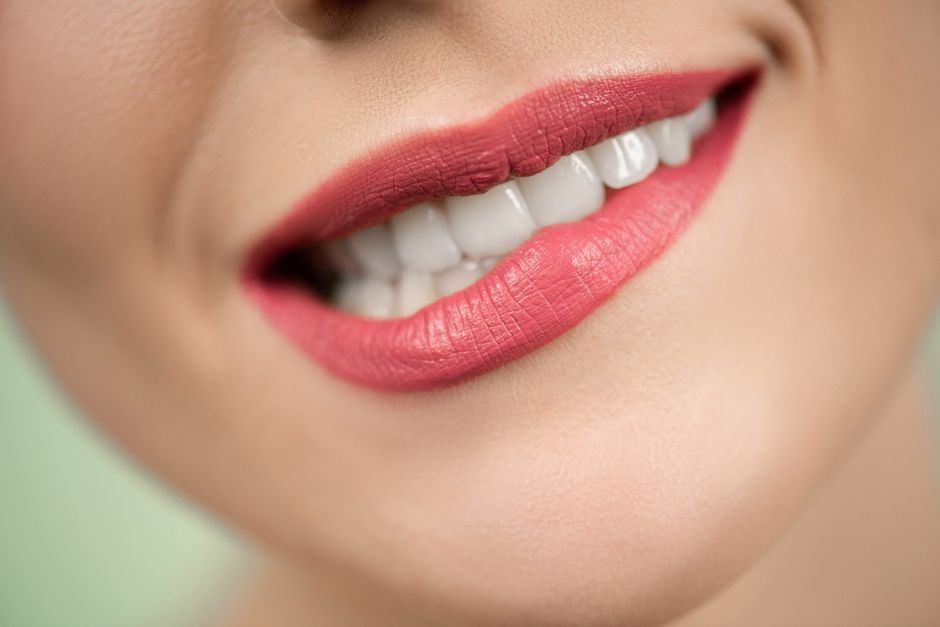
Puckering in the mouth usually means a tight, dry, or drawn sensation. The lips may pull inward. The inside of the mouth may feel rough or sticky. This is a symptom, not a diagnosis, and it has several possible causes.
Dry mouth, known medically as xerostomia, is the most common reason. Saliva keeps the mouth moist and protects the tissues. When saliva production drops, the mouth feels tight and the lips may pucker or stick together. Dry mouth is a common side effect of many medications, including some antidepressants, antihistamines, and blood pressure drugs. It can also result from dehydration, mouth breathing, or certain medical conditions that affect the salivary glands.
A puckered or pursed lip appearance can also be a habit. Some people unconsciously tighten their lips when concentrating or stressed. This is not a medical problem, but over time it can contribute to fine lines around the mouth.
Less commonly, puckering inside the mouth can relate to changes in the lining of the mouth. Conditions that cause the oral mucosa to tighten or form fibrous bands can create a puckered look, particularly around the cheeks or under the tongue. These are uncommon and require clinical examination to identify. If you notice persistent tightness, white patches, or difficulty opening your mouth, see a doctor or dentist.




What Causes Fabric to Pucker?
Fabric puckering is a sewing and textile issue, not a health one. It happens when stitches pull the cloth tighter than the cloth can tolerate, or when the fabric shrinks unevenly.
The most frequent cause is a mismatch between thread tension and fabric. If the thread is pulled too tight, the seam gathers the fabric into small wrinkles along the stitch line. This is called seam puckering. It is common with lightweight or stretchy fabrics because they offer less resistance to the thread.
Shrinkage is another cause. Natural fibers like cotton and linen can shrink when washed, especially in hot water. If one part of a garment shrinks more than another, the fabric pulls and puckers. Pre-washing fabric before sewing is a standard way to reduce this.
Stabilization matters too. Thin or slippery fabrics often need a backing material, called interfacing or stabilizer, to hold their shape during sewing. Without it, the fabric moves and the stitches pucker.
How Do You Tell Which Type of Puckering You Have?
The setting tells you a lot. Skin puckering happens on the body and usually responds to temperature, moisture, or healing. Mouth puckering is a sensation or appearance inside or around the lips. Fabric puckering happens on cloth and is related to sewing, washing, or wear.
Here is a simple comparison to help sort them out:
| Type | Common Cause | Typical Setting |
|---|---|---|
| Skin puckering | Water absorption, cold, aging, scarring | Fingers, arms, neck, scar sites |
| Mouth puckering | Dry mouth, medication side effects, habit | Lips, inside cheeks, tongue area |
| Fabric puckering | Thread tension, shrinkage, lack of stabilizer | Seams, hems, washed garments |
If the puckering is on your body and does not fit any of the harmless patterns, get it checked. A new puckered area on the breast, for example, can be a sign of an underlying change in tissue and should always be evaluated by a doctor. This is not common, but it is the kind of change that should never be ignored.
When Should Puckering Be Checked by a Doctor?
Most skin puckering is temporary and harmless. But some patterns warrant a medical visit.
- New puckering or dimpling on the breast, especially if it appears suddenly
- A scar that is tightening, painful, or limiting movement
- Skin puckering that comes with redness, swelling, or discharge
- Persistent dry mouth that does not improve with hydration
- Mouth tightness that makes it hard to open your mouth or swallow
- Any puckering that is new, changing, or asymmetric on the body
These signs do not automatically mean something serious. They mean a doctor should look. Early evaluation is how treatable conditions get caught early, and how harmless ones get ruled out.
Does Puckering Ever Go Away on Its Own?
Water-based skin puckering goes away within minutes of drying off. Cold-induced puckering fades as the skin warms. These are self-limiting and need no treatment.
Scar puckering may improve over months as the scar matures, but it does not always resolve completely. Some scars stay raised or tethered. Treatments exist, but results vary and no method reliably erases a scar.
Mouth puckering from dry mouth depends on the cause. If a medication is the trigger, adjusting the dose or switching drugs can help, but only under a doctor’s guidance. Dry mouth from an underlying condition may need ongoing management.
Fabric puckering can sometimes be pressed out with an iron, but if the fibers have shrunk or the seam is set, it may be permanent. Prevention is easier than repair.
Frequently Asked Questions
What does puckering skin mean?
Puckering skin means the surface has pulled into small wrinkles or folds instead of lying smooth. It is most often caused by water absorption, cold, aging, or scar tissue formation.
Why do my lips feel puckered and dry?
A tight, puckered feeling in the lips is usually a sign of dry mouth, which can come from dehydration, mouth breathing, or medication side effects. If it persists despite drinking enough water, a doctor can help identify the cause.
Is puckering on the breast a sign of cancer?
Breast puckering or dimpling can be a sign of an underlying tissue change and should always be evaluated by a doctor. It is not proof of cancer, but it is a change that needs clinical examination.
What causes fabric to pucker when sewing?
Fabric puckers most often when thread tension is too tight for the cloth, or when the fabric shrinks unevenly after washing. Using the right needle, tension, and stabilizer reduces the problem.
