
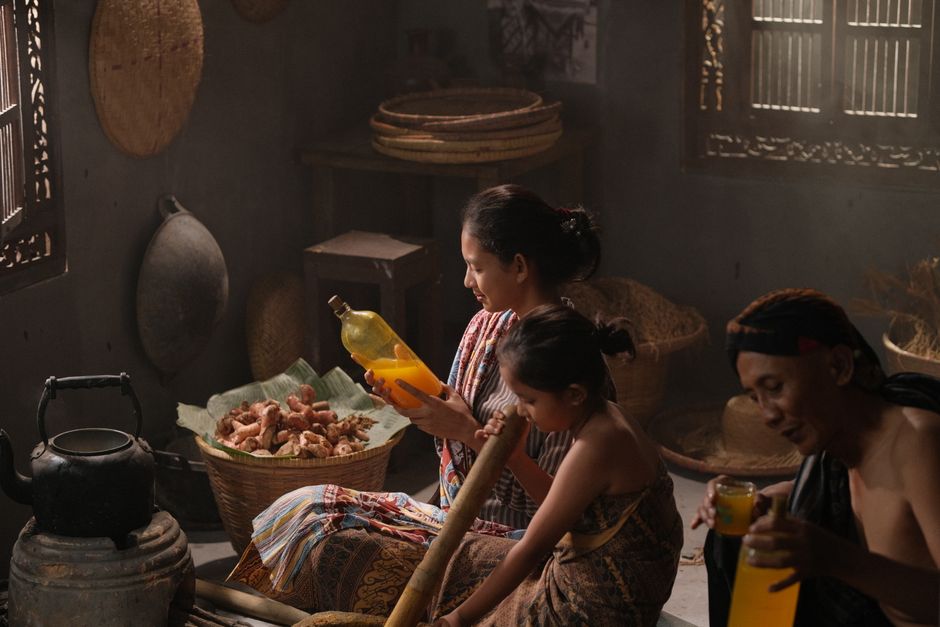
“Tribe food” is a term used online to describe the traditional diets of indigenous and tribal communities around the world — diets built on locally available whole foods like fish, game, roots, fruits, and fermented preparations rather than industrial products. It is not a formal medical or scientific category. There is no single “tribe diet,” and no health organization recognizes one. The phrase is mostly a marketing and social media label that bundles together many very different food traditions.
That matters because the label is often used to sell a story: that eating like a traditional community is automatically healthier. Some of the underlying observations are real. Many traditional diets are built around unprocessed foods, and populations eating that way have historically shown low rates of certain chronic diseases. But the label hides enormous variation, and the leap from “these communities eat this way” to “you should copy it” is not supported by evidence.
What Is Tribe Food? Traditional Diets Explained
Tribe food refers to the everyday foods of communities that still eat close to what their local environment provides — often described as “traditional” or “ancestral” diets. The category includes the Mediterranean pattern, the Nordic pattern, traditional Japanese eating, and the diets of many indigenous groups in Africa, the Americas, and Oceania. These traditions share little beyond the fact that they are not built around ultra-processed food.
A few features do show up across many of them:
- Whole or minimally processed ingredients, often prepared at home
- Heavy reliance on plants — vegetables, roots, legumes, fruits, nuts
- Fish, game, or pasture-raised animals in modest amounts where available
- Fermented foods such as yogurt, kimchi, or sourdough
- Little added sugar and few refined grains
But the differences are just as important. Some traditional diets are very high in saturated fat from animal sources. Some are high in salt from preserved fish. Some rely heavily on starchy roots. The idea that there is one “tribe food” template you can copy is a simplification that does not hold up.
Where Does the “Tribe Food” Idea Come From?
The modern interest in traditional diets traces back to mid-twentieth-century researchers who noticed that some communities eating their native foods had low rates of tooth decay and certain chronic diseases. One well-known figure was the dentist Weston Price, who traveled and documented traditional diets in the 1930s. His observations were descriptive, not controlled trials, and his conclusions have been criticized for overreach.
More recent research has looked at what happens when communities abandon traditional diets. Studies of groups moving from rural to urban settings, or adopting Western-style food, have generally found increases in obesity, diabetes, and heart disease risk. Some research suggests this shift — often called nutrition transition — is real and measurable.
The honest position is that this is a correlation. Communities that switch diets also change activity levels, income, healthcare access, and many other things. Traditional diets may be part of the story, but no study has isolated them as the single cause.
Are Traditional Diets Actually Healthier?
Populations eating traditional diets have historically shown lower rates of many chronic diseases, but the evidence that copying these diets produces the same result is limited. The strongest human evidence for diet and health comes from large observational studies and randomized trials of specific eating patterns — and those point to general principles, not a single “tribe” formula.
What the evidence does support is fairly consistent. Eating patterns built around vegetables, fruits, legumes, whole grains, nuts, fish, and unsaturated fats are associated with lower risk of heart disease and type 2 diabetes. The Mediterranean diet is the most studied example, and randomized trials have found real benefits for cardiovascular risk in people at high risk.
What it does not support is the idea that any diet is healthy because it is “traditional.” Some traditional diets are associated with high rates of stomach cancer linked to salt-preserved foods. Others carry risks from food scarcity or contamination. “Traditional” describes origin, not safety.




What Can You Actually Learn From Tribe Food Diets?
The useful lessons are general and unsurprising. Traditional diets tend to be low in ultra-processed foods, which is one of the more consistent findings in nutrition research. They tend to include more fiber and less added sugar. They are often eaten socially and slowly, which may affect how much people eat.
What you should not take from them is a specific menu. The health benefits linked to traditional eating patterns appear to come from the overall pattern — mostly plants, minimally processed, limited refined sugar — not from any single “tribal” ingredient or superfood. Marketing that sells a specific traditional food as a cure or shortcut is not backed by evidence.
One clarification worth making: the term “tribe food” is not used in clinical nutrition or medical literature. If you search for it, you will mostly find wellness content, not peer-reviewed research. That is a signal about how much weight to give the claims attached to it.
What Are the Risks of Copying a Traditional Diet?
Copying a traditional diet without understanding its context can miss the point and, in some cases, introduce problems. Traditional diets were shaped by what was available, not by what was optimal. In communities where food was scarce, these diets were sometimes marginal in key nutrients.
Specific concerns include:
- High salt intake from preserved and fermented foods in some traditions
- Very high saturated fat intake in some animal-heavy traditional diets
- Reliance on a narrow set of foods that may not meet all nutrient needs
- Food safety issues where traditional preparation relies on raw or unpasteurized products
No clinical guidelines recommend adopting a specific “tribal” diet. If you have a health condition, are pregnant, or are feeding children, the general evidence-based advice — plenty of plants, limited ultra-processed food, adequate protein — applies regardless of what any traditional diet looks like.
How Does Tribe Food Compare to Modern Eating Patterns?
The clearest difference is processing. Traditional diets are built around whole foods; modern diets in many countries are increasingly built around ultra-processed products. Research consistently links higher ultra-processed food intake with worse diet quality and higher risk of several chronic conditions, though the mechanisms are still being studied.
Here is a rough comparison of the general features, not a strict rule:
| Feature | Traditional diets (general) | Typical modern diet |
|---|---|---|
| Processing level | Mostly whole or minimally processed | Often ultra-processed |
| Added sugar | Usually low | Often high |
| Fiber | Generally higher | Often lower |
| Salt | Variable; sometimes high | Often high |
| Saturated fat | Variable | Variable |
The table is a simplification. Individual traditional diets vary too much for a single row to capture them accurately. Use it as a rough orientation, not a prescription.
What Should You Take Away From the Tribe Food Label?
The label is a story, not a science. The parts of traditional diets that appear to support health — whole foods, plants, fiber, limited processing — are already the core of mainstream dietary guidance. The parts that get marketed as a shortcut or a secret are not supported by evidence.
If the idea of traditional eating appeals to you, the useful move is to borrow the pattern, not the brand. More vegetables and legumes. Fewer ultra-processed products. Fish and nuts in place of some processed meats. Those changes are supported by a large body of research, regardless of what any tribe ate.
Frequently Asked Questions
What does “tribe food” mean?
It is an informal online term for the traditional diets of indigenous and tribal communities, built on locally available whole foods. It is not a recognized scientific or medical category.
Is the tribe food diet healthy?
Some traditional diets are associated with lower rates of certain chronic diseases, but the evidence that copying them produces the same benefit is limited. The health benefits appear to come from the overall pattern, not the label.
Is tribe food the same as the paleo diet?
No. Paleo is a specific modern eating pattern that avoids grains, legumes, and dairy. Tribe food is a broad label covering many different traditional diets, some of which include grains and dairy.
Should I try eating like a traditional tribe?
No clinical guidelines recommend adopting a specific traditional diet. General evidence-based advice — plenty of plants, limited ultra-processed food — applies regardless of which tradition you draw from.
