
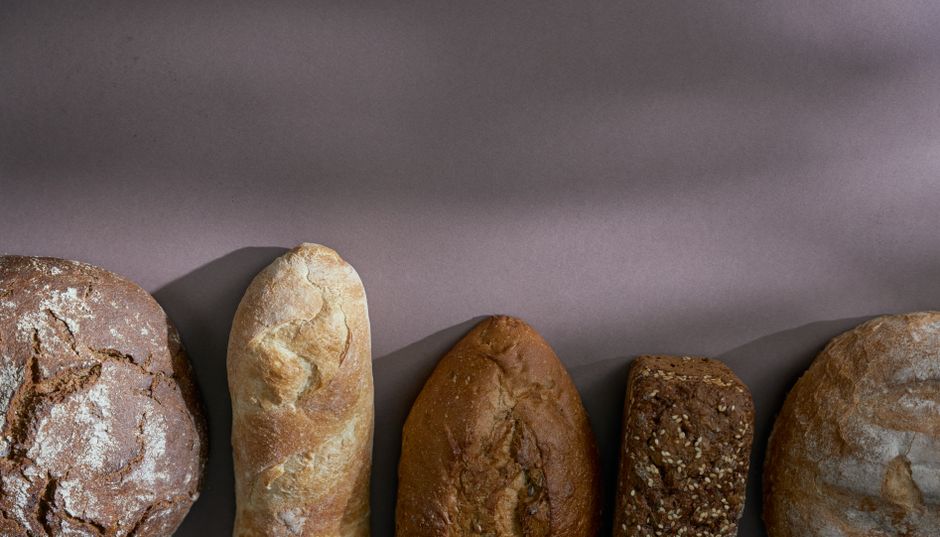
Bread is a processed food. Whether it is an ultra processed food depends on how it was made and what went into it. Most traditional breads — sourdough, whole wheat sandwich loaves, bakery baguettes — are processed but not ultra processed. Mass-produced breads made with emulsifiers, dough conditioners, and added flavorings may fall into the ultra processed category under the NOVA classification system.
That distinction matters. The two categories carry different nutritional profiles and different levels of scrutiny in the research. But the line between them is not always clear on a label, and it is not a perfect guide to whether a bread is good for you.
What Does “Processed Food” Actually Mean?
Almost all food sold in a grocery store is processed to some degree. Processing is any deliberate change to a food before it is eaten — freezing, milling, canning, baking, fermenting. Under this definition, bread has been a processed food for thousands of years.
The NOVA classification system, developed by researchers at the University of São Paulo and now widely used in nutrition research, divides foods into four groups:
- Group 1 — Unprocessed or minimally processed foods: fresh fruits, vegetables, eggs, plain meat, milk, whole grains
- Group 2 — Processed culinary ingredients: salt, sugar, oils, butter, vinegar — substances used to prepare Group 1 foods
- Group 3 — Processed foods: products made by adding Group 2 ingredients to Group 1 foods, such as canned vegetables, cheese, cured meats, and most bread
- Group 4 — Ultra processed foods: industrial formulations typically containing substances not used in home cooking — emulsifiers, artificial flavors, protein isolates, hydrogenated oils, and similar additives
Bread made from flour, water, salt, and yeast is a Group 3 processed food. It contains multiple ingredients and has been transformed from its raw state, but it is still recognizable as a food made from basic ingredients.
Is Bread A Processed Or Ultra Processed Food?
Most bread is processed, not ultra processed. The distinction comes down to the ingredient list and the degree of industrial formulation.
A traditional loaf — flour, water, salt, yeast or sourdough starter — fits squarely into the processed category. Even a commercial whole wheat loaf with a handful of added ingredients like ascorbic acid (a dough improver) or lecithin (an emulsifier) is generally classified as processed rather than ultra processed in most research applications of NOVA, though classification can vary between studies.
The ultra processed label applies when bread contains ingredients you would not find in a home kitchen or that serve primarily industrial purposes. Examples include:
- Emulsifiers such as mono- and diglycerides, DATEM, or polysorbate 80
- Dough conditioners like azodicarbonamide or calcium peroxide
- Added flavorings or flavor enhancers
- Protein isolates or modified starches used to adjust texture
- High-fructose corn syrup or other added sweeteners in significant amounts
Many mass-produced sandwich breads, hamburger buns, and packaged rolls contain several of these. Some do not. The category is not determined by brand size or shelf life — it is determined by formulation.
Why Does The Processed Versus Ultra Processed Distinction Matter?
The distinction matters because the research on health outcomes is not the same for the two categories. Studies on ultra processed food consumption have found associations with higher rates of obesity, type 2 diabetes, cardiovascular disease, and some cancers. The evidence for processed foods as a broad category does not show the same pattern.
That does not mean all ultra processed foods are equally harmful. The category is broad — it includes soda, packaged pastries, and processed meats alongside whole grain breads that happen to contain an emulsifier. Researchers have acknowledged this is a limitation of the NOVA system.
Some studies suggest the specific additives and the overall dietary pattern matter more than the category label alone. A loaf of whole grain bread with one emulsifier is not nutritionally equivalent to a candy bar, even if both technically land in Group 4.
The more reliable signal is the overall diet. Diets high in ultra processed foods tend to be lower in fiber, lower in whole foods, and higher in added sugar, sodium, and saturated fat. That pattern, more than any single ingredient, is what the evidence most consistently links to health outcomes.




How Can You Tell Which Category A Bread Falls Into?
Read the ingredient list. That is the most practical way to classify a bread. The shorter and more recognizable the list, the more likely it is a processed food rather than an ultra processed one.
Here is a rough guide:
- Processed: flour, water, salt, yeast, maybe a starter, maybe a small amount of oil or sweetener
- Likely ultra processed: a long list including emulsifiers (mono- and diglycerides, DATEM, sodium stearoyl lactylate), dough conditioners, added flavors, or ingredients you cannot picture in a kitchen
Whole grain content is a separate question from processing level. A bread can be whole grain and ultra processed, or white and minimally processed. Both factors matter for nutrition, but they are not the same thing.
One non-obvious point: sourdough fermentation changes the bread’s structure and may affect how quickly it raises blood sugar compared with conventionally yeasted bread made from the same flour. This is an active area of research, and results vary by study and by the specific starter culture used. It is not a reason to treat sourdough as a health food, but it does suggest that fermentation method is a variable worth paying attention to.
Does Ultra Processed Bread Affect Health Differently?
The evidence is mixed and largely observational. Studies that track large groups of people over time have found that higher ultra processed food intake is associated with worse health outcomes. But these studies cannot prove that the processing itself causes the harm.
People who eat more ultra processed foods also tend to eat fewer whole foods, get less fiber, and have other dietary and lifestyle patterns that influence health. Researchers try to control for these factors, but observational data has limits.
Some randomized controlled trials have looked at ultra processed diets directly. One widely cited trial found that people ate more calories and gained weight on an ultra processed diet compared with a minimally processed diet, even when the meals were matched for calories, sugar, fat, and fiber on paper. That is a meaningful finding, but it was a small, short-term study and has not been replicated at scale.
For bread specifically, the evidence is thinner. No large trial has isolated bread processing as a variable and measured long-term health outcomes. What exists is mostly subgroup analysis and observational data, which is not strong enough to make firm claims about bread alone.
The honest position: ultra processed bread is plausibly less beneficial than minimally processed bread, but the direct evidence for bread as a specific category is limited. The broader dietary pattern is a more reliable guide than any single food.
Is Whole Wheat Bread Always Better Than White Bread?
Whole wheat bread generally has more fiber, more vitamins and minerals, and a lower glycemic impact than white bread made from refined flour. That part is well established.
But whole wheat bread can still be ultra processed. Some commercial whole wheat loaves contain the same emulsifiers and dough conditioners as their white counterparts. The whole grain content improves the nutritional profile, but it does not change the processing category.
If you are choosing between two breads, look at both factors: whole grain content and ingredient list. A whole grain bread with a short ingredient list is likely the better choice on both counts. A white bread with a short ingredient list may be preferable to a whole grain bread loaded with additives, depending on what you are optimizing for.
There is no universal answer here. The right choice depends on your overall diet, your health priorities, and what is available to you.
What About Fresh Bakery Bread Versus Packaged Bread?
Fresh bakery bread is more likely to be a processed food rather than an ultra processed one. Most bakery breads are made from flour, water, salt, and yeast, with a shorter shelf life and no need for the stabilizers and preservatives used in packaged breads.
That is a generalization, not a rule. Some commercial bakeries use dough conditioners and premixes that include additives. Some packaged breads have short, simple ingredient lists. The category is determined by what is in the bread, not where it was sold.
Packaged breads often contain added ingredients to extend shelf life and maintain texture. Some of these — like ascorbic acid — are benign and widely used. Others — like certain emulsifiers — are the ones that push a bread toward the ultra processed category. The ingredient list is still the most reliable guide.
Frequently Asked Questions
Is all bread ultra processed?
No. Most bread is classified as a processed food, not an ultra processed one. Bread becomes ultra processed when it contains industrial additives like emulsifiers, dough conditioners, or added flavorings.
Is sourdough bread ultra processed?
Traditional sourdough made from flour, water, salt, and a starter is a processed food, not an ultra processed one. Some commercial sourdough-flavored breads contain additives that change the classification.
Is whole wheat bread ultra processed?
It can be. Whole wheat bread is ultra processed if it contains emulsifiers, dough conditioners, or other industrial additives. Whole grain content and processing level are separate factors.
How do I know if my bread is ultra processed?
Check the ingredient list for emulsifiers, dough conditioners, added flavors, or ingredients you would not use at home. A short list of recognizable ingredients usually means the bread is processed rather than ultra processed.
