
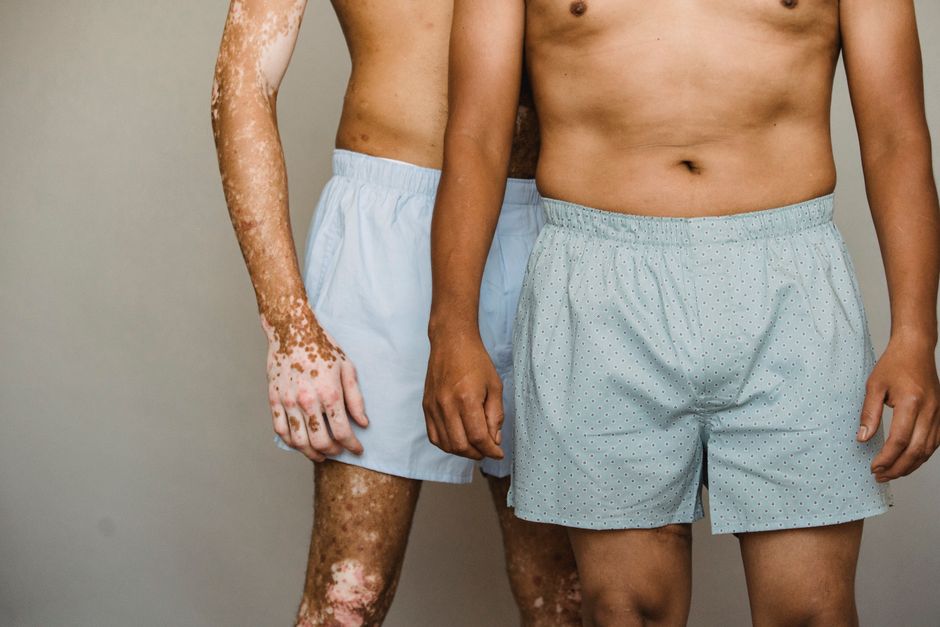
Plaque psoriasis is a chronic autoimmune condition that causes raised, inflamed patches of skin covered with silvery-white scale. It is the most common form of psoriasis, and it is not contagious. The condition happens when the immune system mistakenly speeds up the life cycle of skin cells, causing them to build up on the skin’s surface faster than the body can shed them.
Roughly 7.5 million adults in the United States live with psoriasis, according to the National Psoriasis Foundation. Most cases are plaque psoriasis. It tends to come and go in cycles, with flares followed by periods of clearing. Understanding what drives it helps people make sense of the condition and manage it realistically.
What Is Plaque Psoriasis and What Causes It?
Plaque psoriasis is an immune-mediated disease. That means the root problem is not in the skin itself. It starts with an overactive immune response.
In a person with psoriasis, immune cells called T cells mistakenly attack healthy skin cells. This triggers a chain reaction. The body produces new skin cells far faster than normal. A typical skin cell matures and sheds over about a month. In plaque psoriasis, that cycle can shrink to a few days. The result is a pileup of thick, scaly patches on the surface.
The patches most often appear on the elbows, knees, scalp, and lower back. They can show up anywhere on the body, though. They are usually symmetrical, meaning they appear on both sides.
Psoriasis has a strong genetic component. Having a parent with psoriasis raises your risk, and researchers have identified multiple genes linked to the condition. Genetics alone do not cause it, though. Something has to trigger the immune response. Common triggers include:
- Infections, especially strep throat in younger people
- Skin injury, such as a cut, scrape, or sunburn
- Stress
- Certain medications, including some blood pressure drugs and lithium
- Smoking and heavy alcohol use
- Cold, dry weather
One point worth clarifying: psoriasis is not a hygiene problem, an allergy, or a sign of poor skin care. It is an inflammatory condition driven from inside the body.
What Does Plaque Psoriasis Look Like?
Plaques are raised, well-defined patches of skin that feel rough or thick. They are typically covered with a buildup of silvery-white scale. Underneath the scale, the skin is red or pink, and on darker skin tones it can look purple, brown, or gray.
The affected skin may itch, burn, or feel sore. Scratching can make it worse. Removing scale can sometimes cause tiny points of bleeding, a sign clinicians call the Auspitz sign.
Plaques can range in size from small spots to large areas that join together. The severity is often grouped into three broad categories based on how much of the body is affected: mild, moderate, and severe. Clinicians commonly use body surface area and other measures to make that call, though there is no single universal cutoff everyone uses.
Plaque psoriasis is different from other forms of psoriasis. Guttate psoriasis shows up as small, drop-like spots. Pustular psoriasis causes pus-filled bumps. Inverse psoriasis appears in skin folds and is usually smoother. Each has its own pattern and treatment approach.
How Is Plaque Psoriasis Diagnosed?
Most cases are diagnosed by a dermatologist during a physical exam. There is no single blood test that confirms plaque psoriasis.
A doctor looks at the shape, location, and scale of the patches. They ask about your history, family history, and possible triggers. In some cases, they take a small skin sample, called a biopsy, to rule out other conditions. This is more common when the diagnosis is unclear.
Part of the reason diagnosis can be tricky is that several conditions look similar. Eczema, fungal infections, and seborrheic dermatitis can all produce red, scaly patches. That overlap is why a professional evaluation matters rather than self-diagnosing from a photo online.
Psoriasis is also linked to other health conditions. People with psoriasis have higher rates of psoriatic arthritis, which affects the joints. It is also associated with cardiovascular disease, type 2 diabetes, and depression. These links do not mean one causes the other. They mean the inflammation involved in psoriasis appears to travel beyond the skin, so regular checkups matter.



What Are the Treatment Options for Plaque Psoriasis?
There is no cure for plaque psoriasis, but several treatments can reduce symptoms and clear the skin. Which one fits depends on severity, location, and how much the condition affects daily life.
For mild cases, doctors often start with topical treatments applied directly to the skin. These include corticosteroids, vitamin D analogs, and other creams or ointments. Light therapy, also called phototherapy, uses controlled ultraviolet light under medical supervision. It is used more often for moderate to widespread disease.
For moderate to severe psoriasis, systemic treatments work throughout the body. These include oral medications and a class of drugs called biologics, which target specific parts of the immune response. Biologics have changed outcomes for many people with moderate to severe disease, and research consistently shows they can clear skin for a large share of patients. They also carry risks, including increased infection risk, so they require medical monitoring.
What works well for one person may not work for another. Response varies, and finding the right treatment often involves some trial and adjustment with a doctor. No single approach is best for everyone, and no treatment is a guaranteed cure.
Can Lifestyle Changes Help Manage Plaque Psoriasis?
Lifestyle factors can influence how often flares happen and how severe they are. They do not replace medical treatment, but they can support it.
Quitting smoking is one of the more meaningful steps. Smoking is linked to more severe psoriasis and a higher chance of developing it in the first place. Limiting alcohol may also help, since heavy drinking is associated with worse symptoms. Managing stress matters too, because stress is a well-recognized trigger for flares.
Keeping skin moisturized helps reduce scaling and itching. Avoiding harsh soaps and very hot showers can prevent irritation. Some people find that certain foods seem to trigger flares, but the evidence on diet and psoriasis is limited. No specific diet has been confirmed to treat the condition.
Moderate sun exposure helps some people, since ultraviolet light can slow skin cell turnover. The key word is moderate. Sunburn can injure the skin and trigger new plaques, so unprotected overexposure works against you.
What Is the Outlook for Someone With Plaque Psoriasis?
Plaque psoriasis is a long-term condition. It usually does not go away completely, but it can be managed well. Many people go through periods where the skin is nearly or fully clear.
The condition can affect more than the skin. It can impact sleep, self-image, and mental health. Depression and anxiety are more common in people with psoriasis, and that is a real part of the condition, not a weakness. Addressing it is part of good care.
Psoriatic arthritis develops in some people with psoriasis, sometimes years after skin symptoms start. Early recognition matters, because joint damage can be limited with timely treatment. Tell your doctor about joint pain, stiffness, or swelling, especially in the fingers, toes, or spine.
With the right combination of medical care and self-management, most people with plaque psoriasis can control symptoms and protect their joints and overall health.
Frequently Asked Questions
Is plaque psoriasis contagious?
No, plaque psoriasis is not contagious and cannot be spread through touch, sharing items, or close contact. It is an immune-driven condition, not an infection.
What is the difference between plaque psoriasis and eczema?
Plaque psoriasis usually has thicker, silvery scale and well-defined edges, while eczema tends to be more diffuse, itchier, and often oozes when scratched. A doctor can tell them apart during an exam.
Can plaque psoriasis be cured?
There is no cure for plaque psoriasis, but treatments can significantly reduce symptoms and clear the skin for extended periods. Most people manage it as a long-term condition.
Does diet affect plaque psoriasis?
Evidence linking specific foods to psoriasis is limited, and no diet has been confirmed to treat it. Some people notice personal triggers, but diet should not replace medical treatment.
