
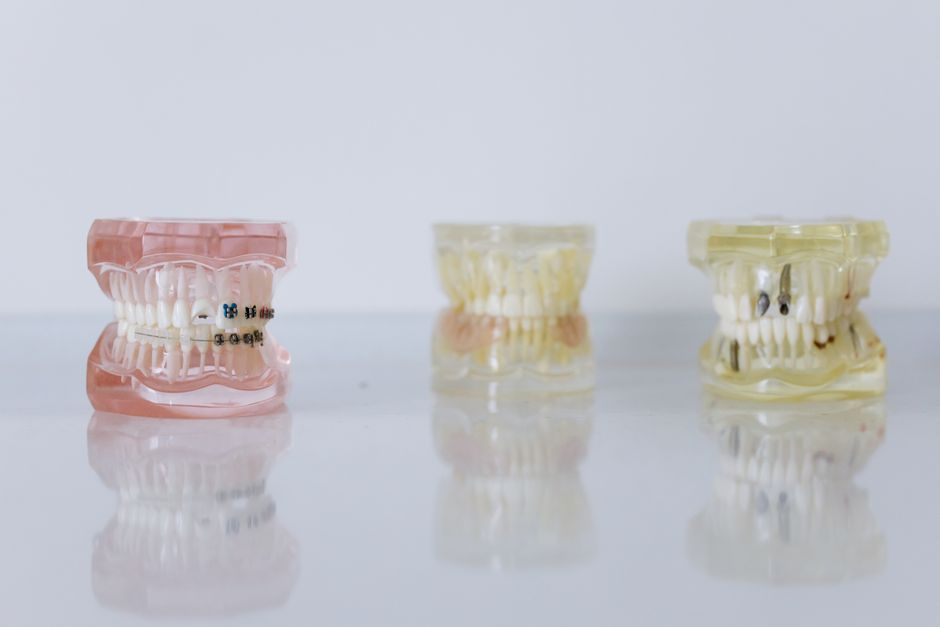
Phase 1 orthodontic treatment is the first round of orthodontic care a child receives, usually between ages 6 and 10, while some baby teeth are still in the mouth. It is sometimes called early interceptive orthodontics. The goal is not to straighten every tooth. It is to correct a specific problem — a bite issue, crowding, or a jaw relationship — that could become harder to fix once the child’s face and jaws finish growing.
Most children do not need it. Phase 1 is a targeted intervention for a defined set of problems, and the timing matters more than the hardware.
What Is Phase 1 Orthodontic Treatment For Kids?
Phase 1 is treatment that starts before all the permanent teeth have come in. It typically happens while there is still a mix of baby teeth and adult teeth — a stage orthodontists call the mixed dentition.
The logic behind it is growth. A child’s upper jaw and lower jaw are still developing through the early school years. Some bite problems are easier to influence during that window than after the growth plates close. A crossbite, for example, where the upper teeth sit inside the lower teeth instead of outside them, can sometimes be corrected more simply in a growing child.
Phase 1 usually lasts somewhere between 9 and 18 months, though that range varies widely depending on the problem. After Phase 1, there is almost always a resting period called the retention or observation phase, where the child is monitored as remaining adult teeth come in. Many of these children will later need Phase 2 — a second round of treatment, often with full braces, once all permanent teeth have erupted.
That last point gets lost in a lot of marketing. Phase 1 does not usually replace the need for braces later. It is meant to reduce the complexity of what comes next, or in some cases to prevent a problem from getting worse.
How Is Phase 1 Different From Regular Braces?
Regular braces — what orthodontists call comprehensive or Phase 2 treatment — are placed after all permanent teeth have come in, usually in the early teen years. The goal there is to align the full set of teeth and finish the bite.
Phase 1 works on a smaller, more specific set of goals while the mouth is still changing. The appliances are often different too. Phase 1 may involve:
- A palatal expander to widen a narrow upper jaw
- Partial braces on just the front teeth
- A removable appliance to guide jaw position
- Space maintainers to hold room for teeth still coming in
- Habit appliances for thumb sucking or tongue thrust
The comparison is not “early braces versus later braces.” It is “fix one specific problem now” versus “wait and address everything at once.” Which approach is better depends entirely on the problem.
What Problems Does Phase 1 Actually Address?
Phase 1 is used for a defined list of issues. It is not a general tune-up for a child’s smile.
Crossbite is one of the most common reasons. When the upper teeth close inside the lower teeth, it can affect how the jaw grows. Correcting it early is generally considered easier than correcting it after growth is complete.
Severe crowding is another. If there is clearly not enough room for the adult teeth that are coming, an orthodontist may recommend early treatment to create space or guide eruption. Mild crowding, on the other hand, often does not need Phase 1.
Underbite — where the lower jaw sits ahead of the upper jaw — is a case where early intervention is sometimes recommended, because the lower jaw continues growing longer than the upper jaw. Growth modification is only possible while growth is happening.
Protruding upper front teeth are sometimes treated early, partly because teeth that stick out are more likely to be injured in a fall or during sports.
Early or late loss of baby teeth can also trigger a referral. If baby teeth are lost too early, space can close up. If they are lost too late, adult teeth can come in crooked or get stuck.





Does Every Child Need Phase 1?
No. Most children do not need Phase 1 treatment.
The American Association of Orthodontists recommends that children have an orthodontic screening by age 7. That recommendation is about screening, not treatment. A screening at 7 does not mean a child needs braces at 7. It means an orthodontist should look at the developing bite to see whether anything needs watching or treating.
For many children, the answer at that visit is “come back in a year.” Some problems resolve on their own as the mouth grows and changes. Others become clearer over time. An orthodontist who recommends Phase 1 for a child with a mild problem and no functional bite issue is making a judgment call, not following a firm guideline.
This is worth knowing because early treatment is sometimes marketed aggressively. A second opinion is reasonable if you are told your child needs Phase 1 and you are not sure why.
What Does the Evidence Say About Early Treatment?
The evidence is mixed, and it depends on which problem you are talking about.
For certain specific issues — crossbite, some underbites, severe crowding with a clear space problem — early intervention has reasonable support. These are cases where waiting can make the problem harder to fix or where growth is the limiting factor.
For other issues, the picture is less clear. Some studies suggest that for many children with Class II bites (where the upper teeth sit too far forward), starting treatment early does not produce a better final result than waiting until all the teeth are in. The early group may spend more total time in treatment and more appointments, without a meaningful difference in the end.
What this means practically: Phase 1 is not automatically better because it is earlier. It is better when there is a specific problem that benefits from being treated during growth. When there is not, waiting is often the more sensible choice.
What Happens During Phase 1 Treatment?
Phase 1 usually starts with records — X-rays, photos, and sometimes a scan or mold of the teeth. These help the orthodontist see the position of teeth that have not come in yet.
The appliance depends on the problem. A palatal expander is a common one. It is a device attached to the upper back teeth with a screw in the middle that a parent turns with a small key on a schedule the orthodontist sets. This applies gentle pressure that widens the upper jaw over time. It works because the seam between the two halves of the upper jaw has not yet fused in a young child.
Other children get partial braces on the front teeth, a removable retainer-like appliance, or a combination.
Appointments are typically every 4 to 8 weeks to check progress and adjust the appliance. Most children handle Phase 1 well. There can be soreness for a few days after adjustments, and the expander in particular can feel strange at first.
What Comes After Phase 1?
After the active Phase 1 treatment ends, most children move into a monitoring phase. The orthodontist checks in periodically — often every 6 to 12 months — to watch how the remaining adult teeth come in.
Many children wear a retainer during this time, at least part-time, to hold the correction while the mouth continues to change.
Then comes the question of Phase 2. A large share of children who had Phase 1 will still need a second round of treatment once all their permanent teeth are in. Phase 1 does not usually eliminate the need for braces. It changes what the braces will need to do.
If you are weighing whether Phase 1 is right for your child, the useful question is not “should we start early?” It is “what specific problem are we treating, and does treating it now produce a better result than waiting?” An orthodontist should be able to answer that clearly. If the answer is vague, that is worth paying attention to.
Frequently Asked Questions
At what age does Phase 1 orthodontic treatment usually start?
Phase 1 typically starts between ages 6 and 10, while a mix of baby and adult teeth is still present. The exact timing depends on the specific problem being treated.
Does Phase 1 mean my child won’t need braces later?
Usually not. Most children who have Phase 1 treatment still need a second round of treatment, called Phase 2, once all their permanent teeth come in.
How long does Phase 1 orthodontic treatment last?
Phase 1 commonly lasts between 9 and 18 months, though the range varies depending on the problem and the appliance used. Your orthodontist can give a more specific estimate for your child.
Is Phase 1 always necessary if an orthodontist recommends it?
No. Most children do not need Phase 1, and recommendations can vary between orthodontists. If you are unsure why your child needs early treatment, getting a second opinion is reasonable.
