
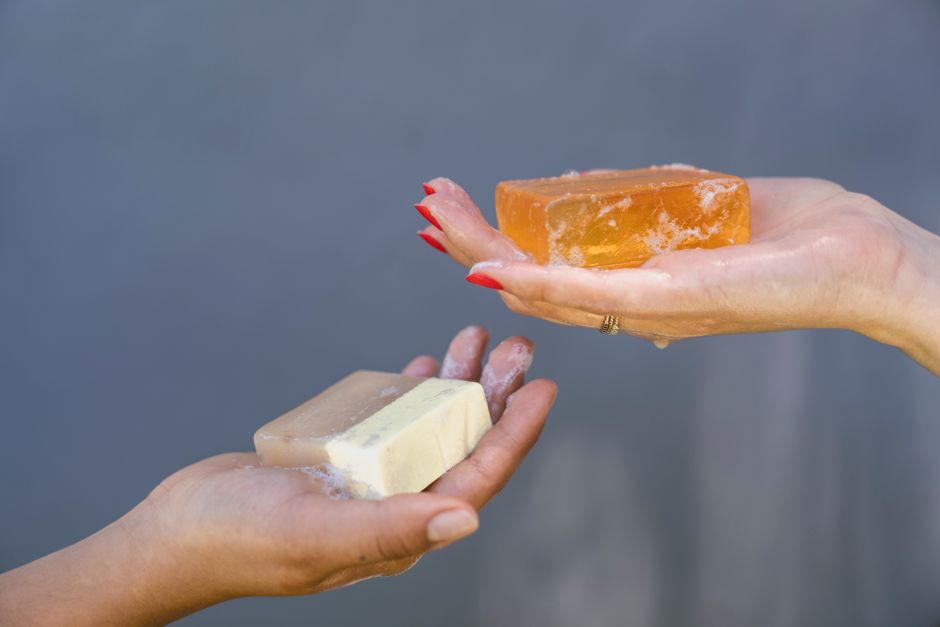
What Makes Coast Soap Different From Other Bar Soaps?
Coast soap is a traditional deodorant bar soap. It has been on the market for decades and is known for its bold, masculine fragrance and its intense lather. The formula is designed to remove dirt, oil, and odor effectively.
What sets it apart is its high pH level. Most bar soaps, including Coast, have a pH around 9 to 10. Your skin’s natural pH is closer to 4.5 to 5.5. That difference matters. A high pH soap can disrupt the acid mantle, which is your skin’s protective barrier.
The ingredients list includes sodium tallowate and sodium cocoate, which are strong surfactants. These are what create the rich lather and cut through grease. But they also strip away natural oils. The fragrance blend is another key difference. Coast uses a heavy, lasting scent that some people love and others find overpowering.
Is Coast Soap Good For Your Skin Pros And Cons?
When asking if Coast soap is good for your skin, the honest answer is that it works well for some people and poorly for others. The pros and cons are clear when you look at the ingredients and how they interact with different skin types.
The pros: It is very effective at removing sweat, oil, and bacteria. For people with oily skin or those who work in dirty environments, it leaves skin feeling thoroughly clean. It is also inexpensive and widely available. The deodorizing properties are real — the strong fragrance and cleansing agents do reduce body odor.
The cons: It is drying. The high pH and strong surfactants can leave skin feeling tight and itchy after washing. For people with eczema, psoriasis, or rosacea, this soap can trigger flare-ups. The fragrance is a common irritant. According to the American Academy of Dermatology, fragrance is one of the most common causes of contact dermatitis. Coast soap contains multiple fragrance components that can cause allergic reactions in sensitive individuals.
Research published in the Journal of the American Academy of Dermatology has shown that high-pH cleansers can worsen skin barrier function over time. This can lead to increased water loss and make skin more vulnerable to infections and irritation.
What Skin Types Should Use Coast Soap?
Coast soap is best suited for people with normal to oily skin who do not have any diagnosed skin conditions. If you have ever used a bar soap and felt fine afterward, Coast will likely work for you.
People with combination skin may find it works on their oily areas but dries out their cheeks or other dry patches. You could use it only on your back, chest, or underarms and use a milder cleanser on your face and hands.
People with dry skin, sensitive skin, or any inflammatory skin condition should avoid it. The American Academy of Dermatology recommends using mild, fragrance-free cleansers for these skin types. Coast soap is the opposite of that recommendation.
Athletes and people who sweat heavily may find Coast soap useful for post-workout showers. Its degreasing power is genuine. But even then, applying a moisturizer immediately after drying off is important to prevent dryness.





Can Coast Soap Be Used on Your Face?
Using Coast soap on your face is not recommended for most people. Facial skin is thinner and more sensitive than the skin on your body. The high pH and strong detergents can disrupt the delicate balance needed for healthy facial skin.
If you wash your face with Coast soap, you may notice immediate tightness. This is a sign that the soap has removed too much oil. Over time, this can lead to increased oil production as your skin tries to compensate. That can create a cycle of dryness followed by breakouts.
For people with acne-prone skin, the instinct is to use a strong cleanser to remove oil. But research in the Journal of Clinical and Aesthetic Dermatology suggests that gentle, pH-balanced cleansers are more effective for managing acne in the long run. Harsh cleansers can worsen inflammation and damage the skin barrier.
If you absolutely must use a bar soap on your face, look for one labeled “facial bar” or “gentle cleansing bar” with a pH closer to 5.5. Coast soap does not fit that description.
What Are the Alternatives to Coast Soap?
If Coast soap sounds too harsh for your skin, there are better options that still clean effectively without causing damage.
For sensitive skin: Look for soap-free cleansers or syndet bars. These are synthetic detergent bars that have a lower pH. Examples include Dove Sensitive Skin Beauty Bar and Vanicream Cleansing Bar. These are recommended by dermatologists for people with eczema or allergies.
For normal skin: A glycerin-based soap like Neutrogena or a mild castile soap can work well. They clean without stripping as aggressively. They also tend to have fewer fragrance ingredients.
For oily skin: A salicylic acid cleanser or a benzoyl peroxide wash can target oil and acne without the high pH of traditional bar soap. These are available in both bar and liquid forms.
For body odor: Antibacterial soaps containing triclosan were once popular, but the FDA has restricted their use due to safety concerns. Instead, using a regular mild soap followed by a clinical strength antiperspirant is more effective and safer.
| Skin Type | Coast Soap Suitability | Better Alternative |
|---|---|---|
| Oily | Good, but may over-dry | Salicylic acid cleanser |
| Dry | Poor, causes tightness | Moisturizing syndet bar |
| Sensitive | Poor, fragrance and pH irritate | Fragrance-free cleansing bar |
| Acne-prone | Risky, can worsen inflammation | Gentle pH-balanced cleanser |
| Normal | Acceptable with moisturizer | Glycerin bar soap |
What to Avoid When Using Bar Soap
There are common mistakes people make with any bar soap, not just Coast. Avoiding these will help your skin stay healthy.
Do not use bar soap on your face. As discussed, facial skin is too delicate for most bar soaps. Use a dedicated facial cleanser instead.
Do not leave bar soap sitting in water. A wet bar soap can grow bacteria. Keep it on a draining soap dish that allows it to dry between uses.
Do not skip moisturizer. After washing with any bar soap, apply a moisturizer within three minutes of drying off. This locks in moisture and helps restore the skin barrier. The American Academy of Dermatology calls this the “three-minute rule.”
Do not use bar soap on open wounds or rashes. The high pH and fragrances can sting and delay healing. Use a mild, fragrance-free cleanser on broken skin.
Do not assume natural means gentle. Some natural soaps made with lye have an even higher pH than commercial bar soaps. “Natural” does not automatically mean better for your skin.
Frequently Asked Questions
Does Coast soap help with acne?
Coast soap can dry out active pimples temporarily, but it often worsens acne over time by damaging the skin barrier and increasing oil production. A gentle, pH-balanced cleanser is a better choice for managing acne.
Is Coast soap safe for eczema?
No, Coast soap is not safe for eczema. Its high pH and strong fragrances are known triggers for eczema flare-ups. People with eczema should use fragrance-free, moisturizing cleansers recommended by a dermatologist.
Can I use Coast soap on my hands?
You can use Coast soap on your hands, but it may cause dryness with frequent washing. If you wash your hands many times a day, a milder moisturizing hand soap is better to prevent cracking and irritation.
Does Coast soap expire?
Bar soaps like Coast do not expire in the traditional sense, but their fragrance can fade and the soap can become less effective over time. Using it within two to three years of purchase is best for optimal scent and performance.
