
Carrot seed oil does not lighten skin. No clinical evidence shows that it reduces melanin production, fades dark spots, or changes skin color. It is a plant oil used in some skincare products, but the claims attached to it online go well beyond what research supports.
That does not make it useless. Carrot seed oil has real properties worth understanding. It just does not do the specific job many viral posts say it does. Here is what the evidence actually shows.
What Does Carrot Seed Oil Actually Contain?
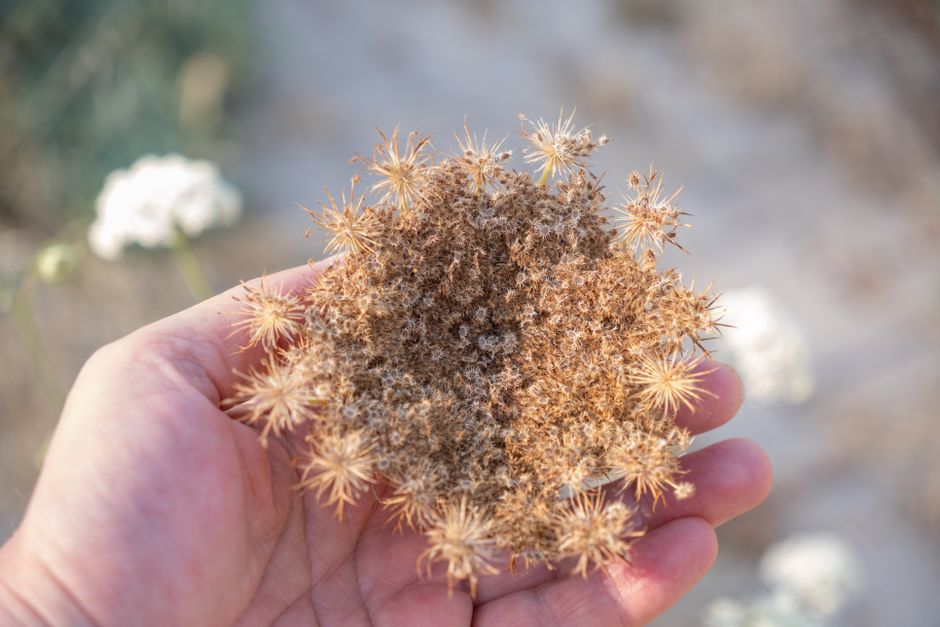
Carrot seed oil is pressed from the seeds of the wild carrot plant, Daucus carota. It is not the same as carrot oil, which is usually a macerated oil made by soaking carrot root in a carrier oil. The two are often confused in marketing, and that confusion matters for how you evaluate claims.
The seed oil is rich in a compound called carotol, along with other sesquiterpene alcohols. It also contains some naturally occurring vitamin E and small amounts of plant pigments. Cold-pressed versions keep more of these compounds than refined ones.
What it does not contain in meaningful amounts is beta-carotene. That is the orange pigment people associate with carrots, and it is present in carrot root, not in the pressed seed oil. This is a common point of confusion. Many skincare articles imply that carrot seed oil delivers beta-carotene to the skin. It largely does not.
Carrot seed oil vs. carrot oil
Carrot seed oil is an essential-oil-like product with a strong, earthy scent. Carrot root oil is a carrier oil, usually diluted, with an orange color and a milder smell. They have different compositions and different uses. When you read a claim about “carrot oil,” check which product the source means.
Does Carrot Seed Oil Really Lighten Your Skin?
No. There is no clinical evidence that carrot seed oil lightens skin or fades hyperpigmentation. The idea seems to come from its vitamin E content and from general associations between carrots and skin health. Neither holds up as a reason to expect a lightening effect.
Skin color is mainly determined by melanin, produced by cells called melanocytes. To lighten skin, a substance has to interfere with melanin production or with how melanin is distributed. Well-studied lightening agents work through specific pathways. Carrot seed oil has not been shown to act on any of them in human trials.
Vitamin E does not lighten skin either. It is an antioxidant, and its role is to help protect against oxidative stress. Antioxidants are not the same as melanin inhibitors. This is where a lot of the marketing logic breaks down: the presence of an antioxidant gets translated into a lightening claim that the evidence never supported.
Some people report that their skin looks brighter after using carrot seed oil. That is plausible for a different reason. Oils can improve the appearance of dry, flaky skin by reducing water loss and smoothing the surface. Better-hydrated skin reflects light more evenly and can look less dull. That is a texture and hydration effect, not a change in pigmentation.
What Is Carrot Seed Oil Actually Good For?
Carrot seed oil is used in skincare mainly as an emollient and in aromatherapy. Some research suggests it has antimicrobial and antioxidant activity in laboratory settings. Lab findings are not the same as proven benefits in people, and human trials are limited.
What is reasonable to say is this: as a plant oil, it can help soften and moisturize skin. Like many oils, it contains fatty acids that support the skin barrier when applied topically. It is also used in small amounts in some natural fragrance blends.
What is not established is that it treats acne, repairs scars, slows aging, or improves any specific skin condition. Those claims appear frequently online. No clinical trials back them up.
Why lab results do not equal skin results
A test showing that a compound kills bacteria in a dish tells you nothing about what happens on human skin. Skin is a barrier. Concentration, delivery, and how long a substance stays active all matter. Many plant extracts show promising activity in a lab and then fail to show the same effect when tested on people. This is normal, and it is why lab data alone should not drive skincare decisions.



Is Carrot Seed Oil Safe to Put on Your Skin?
Carrot seed oil is generally considered safe for topical use when diluted. It is not meant to be applied undiluted, especially to sensitive areas. Like many plant oils, it can cause irritation or allergic reactions in some people.
Do a patch test first. Apply a small amount to the inside of your forearm and wait 24 hours before using it more widely. This is standard advice for any new skincare product, and it is worth following.
People with sensitive skin, eczema, or rosacea should be cautious. Essential-oil-like products can trigger reactions in skin that is already inflamed. If you are pregnant or breastfeeding, check with a clinician before using any new essential oil or plant extract. Reliable safety data for these groups is limited.
Do not swallow carrot seed oil. It is not a supplement, and internal use is not established as safe. Keep it away from children.
What Actually Lightens Skin, and What Should You Know First?
If your goal is to fade dark spots or even out skin tone, several ingredients have more evidence behind them than carrot seed oil. None of them are a quick fix, and results take time.
Some well-studied options include:
- Hydroquinone, available by prescription in the US, is one of the most studied lightening agents. It requires medical supervision because of side effects with long-term use.
- Vitamin C in stabilized topical forms has some evidence for reducing pigmentation and improving skin tone.
- Niacinamide has evidence for reducing the appearance of dark spots and supporting the skin barrier.
- Retinoids can help with pigmentation over time, though they can also cause irritation and sun sensitivity.
- Sunscreen is the foundation. Without daily sun protection, most lightening efforts are undermined, because UV exposure drives new pigment production.
This is not a recommendation to use any specific product. It is a map of what the evidence supports so you can have a more informed conversation with a dermatologist. Pigmentation problems have many causes, including sun damage, hormonal changes, and inflammation. A clinician can help identify what is driving yours, which is the first step before choosing a treatment.
One thing worth flagging: some “natural” lightening products sold online have been found to contain unlisted ingredients, including steroids or hydroquinone at unsafe levels. If a product promises dramatic results fast, treat that as a warning sign rather than a selling point.
How Should You Use Carrot Seed Oil If You Want to Try It?
Use it as a moisturizing oil, not as a lightening treatment. Dilute it with a carrier oil if you are applying it to larger areas. A few drops mixed into a face or body oil is a typical approach in natural skincare routines.
Apply it to clean, dry skin. Avoid the eye area. Stop using it if you notice redness, itching, or swelling.
Keep expectations realistic. You may notice softer, more comfortable skin. You should not expect changes in pigmentation. If uneven skin tone is your main concern, carrot seed oil is not the right tool, and spending money on it for that purpose is likely to disappoint.
The bigger point is about how skincare claims spread. A plant oil with real antioxidant content becomes “brightening,” then “lightening,” then “a natural alternative to hydroquinone.” Each step drops more of the evidence. By the time a claim reaches social media, it often has no research behind it at all.
Frequently Asked Questions
Does carrot seed oil lighten skin?
No. No clinical evidence shows that carrot seed oil lightens skin or fades dark spots. Any brightening people notice is more likely from improved hydration and skin texture.
Can carrot seed oil fade dark spots?
There is no evidence it fades dark spots. Ingredients with better evidence for pigmentation include sunscreen, vitamin C, niacinamide, and prescription hydroquinone under medical supervision.
Is carrot seed oil the same as carrot oil?
No. Carrot seed oil is pressed from the seeds and contains little to no beta-carotene. Carrot oil is usually made by infusing carrot root into a carrier oil, which gives it an orange color.
Can I put carrot seed oil directly on my face?
It is generally used diluted, and a patch test is wise before wider use. People with sensitive skin, eczema, or rosacea should be cautious, and pregnant or breastfeeding women should check with a clinician first.
