
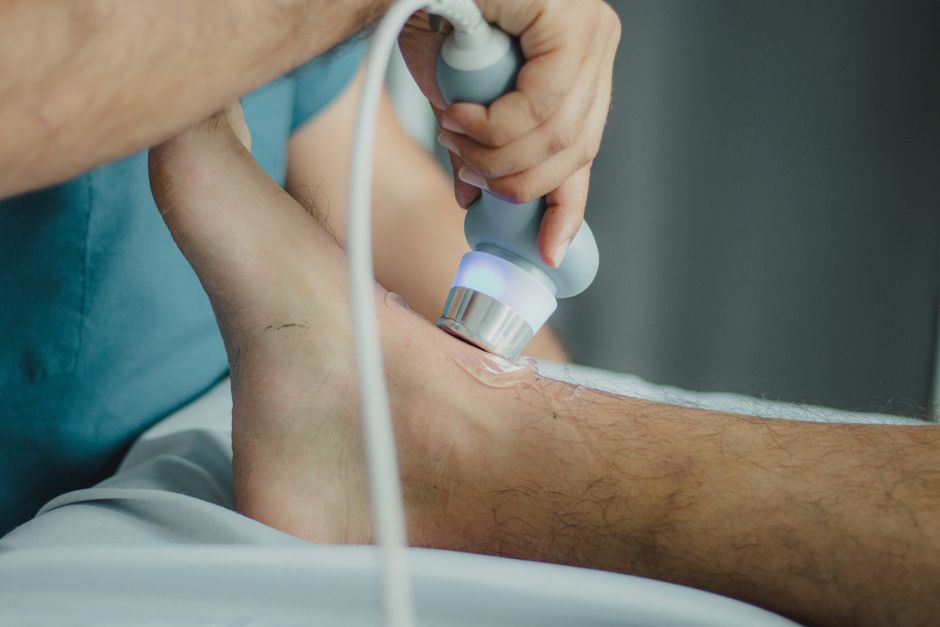
Peripheral neuropathy is nerve damage that affects the nerves outside your brain and spinal cord. These peripheral nerves carry signals between your central nervous system and the rest of your body. When they’re damaged, those signals get disrupted or lost entirely. You might feel tingling, numbness, or burning pain in your hands and feet—or you might lose sensation altogether, which brings its own set of problems.
What Causes Peripheral Neuropathy?
Diabetes causes roughly half of all peripheral neuropathy cases in the United States. High blood sugar levels damage the small blood vessels that feed your nerves, starving them of oxygen and nutrients. The longer someone has diabetes and the less controlled their blood sugar, the more likely they are to develop neuropathy.
Beyond diabetes, chemotherapy drugs commonly damage peripheral nerves as a side effect. Alcohol abuse depletes B vitamins and directly toxifies nerve tissue. Autoimmune conditions like lupus and rheumatoid arthritis can attack nerve cells. Certain infections including Lyme disease and shingles damage nerves during or after the acute illness. Physical trauma from injuries, repetitive motion, or compressed nerves—like carpal tunnel syndrome—can cause localized neuropathy.
In about 30% of cases, doctors never identify a specific cause. This is called idiopathic neuropathy. It’s frustrating but common, especially as people age. Some genetic conditions also cause neuropathy that runs in families, though these account for a smaller portion of cases.
What Are the Symptoms of Peripheral Neuropathy?
The symptoms depend on which type of nerves are damaged. Sensory nerves carry information about touch, temperature, and pain. Motor nerves control muscle movement. Autonomic nerves regulate functions like blood pressure, heart rate, and digestion.
Most people with peripheral neuropathy have sensory symptoms first. Tingling or pins-and-needles sensations in the feet or hands. Burning or stabbing pain that often worsens at night. Numbness that makes it hard to feel temperature changes or notice injuries. Sharp electric shock sensations. Extreme sensitivity where even light touch from bedsheets feels painful.
Motor nerve damage causes different problems. Muscle weakness, especially in the feet and legs. Difficulty walking or maintaining balance. Loss of coordination. Muscle cramps or twitching. In advanced cases, muscles can waste away from lack of nerve signals.
When autonomic nerves are affected, you might experience dizziness when standing due to blood pressure changes. Digestive problems including bloating, constipation, or diarrhea. Inability to sweat normally. Bladder control issues. These symptoms often go unrecognized as neuropathy because they seem unrelated to nerve function.
How Is Peripheral Neuropathy Diagnosed?
Diagnosis starts with a thorough medical history and physical examination. Your doctor will ask about your symptoms, when they started, and whether anything makes them better or worse. They’ll test your reflexes, muscle strength, and ability to feel different sensations.
Blood tests check for diabetes, vitamin deficiencies, thyroid problems, kidney disease, and markers of autoimmune conditions. These identify reversible causes that can be treated directly. Nerve conduction studies measure how quickly electrical signals travel through your nerves. Electromyography (EMG) records the electrical activity of your muscles to detect nerve damage.
Some cases require nerve or skin biopsies. A doctor removes a small sample of nerve tissue to examine under a microscope. This helps diagnose less common causes or confirm the type of nerve damage. Imaging tests like MRI or CT scans check for tumors, herniated disks, or other structural problems pressing on nerves.





What Treatment Options Actually Work for Peripheral Neuropathy?
Treatment focuses on managing the underlying cause and controlling symptoms. You cannot regenerate damaged nerves, but you can often slow progression and reduce pain.
For diabetic neuropathy, strict blood sugar control is the only intervention proven to slow nerve damage. Studies show that keeping HbA1c levels below 7% significantly reduces the risk of neuropathy worsening. For vitamin deficiency neuropathy, supplementing the missing vitamin—usually B12—can halt progression and sometimes improve symptoms over months.
Pain medications help many people function despite chronic nerve pain. Gabapentin and pregabalin were developed for seizures but reduce neuropathic pain by calming overactive nerves. Certain antidepressants like duloxetine and amitriptyline also reduce nerve pain through their effects on brain chemistry. These work for neuropathy pain even in people without depression. Topical treatments like capsaicin cream or lidocaine patches provide localized relief for some patients.
Physical therapy maintains muscle strength and prevents falls in people with motor neuropathy. Occupational therapy teaches adaptive strategies for daily tasks when hand dexterity is affected. Orthotics and assistive devices compensate for foot drop or balance problems.
| Treatment Type | Purpose | Evidence Level |
|---|---|---|
| Blood sugar control | Slows diabetic neuropathy | Strong |
| Gabapentin/Pregabalin | Reduces nerve pain | Strong |
| Duloxetine | Reduces pain and improves function | Strong |
| Vitamin B12 supplements | Treats deficiency-related neuropathy | Moderate |
| Alpha-lipoic acid | May reduce symptoms | Weak to moderate |
| Acupuncture | Pain relief | Mixed evidence |
Can Peripheral Neuropathy Be Reversed?
Nerve regeneration is extremely limited in adults. Once peripheral nerves are significantly damaged, they rarely recover fully. That’s the honest answer backed by current research as of 2026.
Some specific situations allow for partial recovery. Neuropathy caused by vitamin deficiency can improve dramatically once levels are restored, especially if caught early. Neuropathy from compressed nerves—like carpal tunnel syndrome—often improves after surgical decompression releases the pressure. Chemotherapy-induced neuropathy sometimes gradually improves in the months after treatment ends, though many patients have permanent residual symptoms.
For most other causes, realistic goals focus on preventing further damage and managing symptoms rather than reversal. Controlling diabetes doesn’t repair existing nerve damage but stops it from getting worse. Stopping alcohol consumption halts alcoholic neuropathy progression but doesn’t restore lost function.
Anyone claiming supplements or treatments can reverse established neuropathy is overstating the evidence. The peripheral nervous system has some regenerative capacity, but it’s slow and incomplete. Hope lies in early intervention before severe damage occurs.
What Lifestyle Changes Help Manage Peripheral Neuropathy?
Daily foot care prevents serious complications for people with sensory loss. Check your feet every day for cuts, blisters, or red spots you might not feel. Wear well-fitting shoes to avoid pressure points. Never walk barefoot, even indoors. Small injuries can become infected ulcers before you notice them.
Regular exercise improves blood flow to damaged nerves and helps control conditions like diabetes that cause neuropathy. Walking, swimming, and cycling are generally safe. Balance exercises reduce fall risk when proprioception is impaired. Start gradually and work with a physical therapist if balance is already compromised.
Dietary changes support nerve health even if they don’t reverse damage:
- Limit alcohol consumption or eliminate it completely if it contributed to your neuropathy
- Maintain steady blood sugar levels through consistent meal timing and balanced carbohydrate intake
- Ensure adequate B vitamin intake through fortified foods or supplements if deficient
- Include anti-inflammatory foods like fatty fish, leafy greens, and berries
- Stay hydrated to support nerve function and prevent constipation from autonomic neuropathy
Stress management matters because pain perception intensifies under stress. Chronic pain also causes stress, creating a cycle. Meditation, progressive muscle relaxation, and cognitive behavioral therapy help some people cope with persistent neuropathic pain.
What Complications Can Peripheral Neuropathy Cause?
Loss of sensation creates dangers beyond discomfort. People with severe neuropathy in their feet might not notice stepping on glass or developing a blister. These minor injuries can become infected. In diabetics with poor circulation, infections can progress to ulcers and, in worst cases, require amputation. This is preventable with diligent foot care.
Balance problems from neuropathy increase fall risk substantially. Falls can cause fractures, especially in older adults with osteoporosis. Hip fractures in particular have serious long-term consequences for independence and mortality.
Autonomic neuropathy affecting heart rate regulation can cause dangerous blood pressure drops when standing. Some people faint unexpectedly. Over time, this cardiac autonomic neuropathy is associated with higher mortality risk in diabetics, though the mechanisms aren’t fully understood.
The chronic pain itself causes complications. Sleep disruption, depression, and anxiety are common among people with painful neuropathy. These mental health effects are legitimate medical problems that deserve treatment, not just consequences to push through.
Frequently Asked Questions About Peripheral Neuropathy
What does peripheral neuropathy pain feel like?
Most people describe burning, tingling, or stabbing sensations in their feet and hands. Some experience sharp electric shocks or extreme sensitivity where even light touch is painful.
Does peripheral neuropathy get worse over time?
Progression depends on the underlying cause. Diabetic neuropathy typically worsens with poor blood sugar control but stabilizes when glucose levels are managed. Some types like chemotherapy-induced neuropathy may improve after treatment ends.
Can you live a normal life with peripheral neuropathy?
Many people manage neuropathy successfully with treatment and lifestyle adjustments. Pain medications, physical therapy, and careful foot care allow most patients to maintain independence and quality of life despite ongoing symptoms.
Is peripheral neuropathy a sign of diabetes?
Diabetes is the most common cause of peripheral neuropathy, but many other conditions cause it too. If you develop neuropathy symptoms without a known cause, screening for diabetes is appropriate.
