
Pelvic girdle pain is pain in the joints and ligaments that connect the spine to the pelvis, most often felt at the back of the pelvis, the groin, or the front of the pubic bone. It shows up most commonly during and after pregnancy, but it also affects people who have never been pregnant. The pain is usually worse with walking, climbing stairs, turning in bed, or standing on one leg, and it can range from a mild ache to pain that limits daily activity.
What Is Pelvic Girdle Pain? Symptoms And Treatment
Pelvic girdle pain is a specific type of pelvic pain that comes from the joints of the pelvic ring rather than from the lower back itself. The pelvis is not one solid bone. It is a ring made of several bones held together by strong ligaments, with joints at the back where the spine meets the pelvis and at the front where the two halves meet at the pubic symphysis.
During pregnancy, the hormone relaxin loosens these ligaments to prepare the body for childbirth. That loosening, combined with changes in posture and the added weight of pregnancy, can let the joints move more than they should. The result is pain and instability in the pelvic ring.
This is different from ordinary low back pain. In pelvic girdle pain, the discomfort is often felt in the buttocks, the back of the thigh, the groin, or over the pubic bone. Many people describe it as a deep ache or a sharp catch with certain movements. Some feel or hear a clicking or grinding in the pelvis when they move their legs.
Pelvic girdle pain is common in pregnancy. Estimates vary widely across studies, partly because researchers have used different definitions over the years. What is clear is that it is one of the most frequent musculoskeletal complaints of pregnancy and a leading cause of pain-related disability during that time.
What Does Pelvic Girdle Pain Feel Like?
The pain is usually felt in a specific pattern rather than all over the lower body. Knowing where it shows up helps distinguish it from other causes of back and hip pain.
Common locations and sensations include:
- A deep ache over the pubic bone at the front of the pelvis
- Pain in the buttocks, often on one side or both
- Pain at the back of the pelvis where the spine meets the sacrum
- Pain that spreads into the groin or the back of the upper thigh
- A clicking or grinding feeling in the pelvis with movement
- Sharp pain when you spread your legs, such as getting out of a car
The pain typically gets worse with weight-bearing on one leg. Walking, going up or down stairs, turning over in bed, and standing on one leg to dress are common triggers. Many people find that rest helps, but the pain often returns as soon as they move again.
One detail that surprises people: the pain is often not in the lower back at all. Someone can have significant pelvic girdle pain and still point to their groin or the front of their pelvis as the main problem. This is part of why it is sometimes missed or mistaken for a back issue.
What Causes Pelvic Girdle Pain?
The most studied cause is pregnancy, but pregnancy is not the only trigger. The underlying issue in most cases is that the joints of the pelvic ring are not being held stable enough for the loads placed on them.
In pregnancy, the hormone relaxin increases the flexibility of ligaments throughout the body, including those that hold the pelvis together. This is normal and necessary for childbirth. But when the ligaments become too lax, the joints can move beyond their comfortable range, and the surrounding muscles have to work harder to compensate. That combination can produce pain.
Other factors that have been associated with pelvic girdle pain include:
- A history of previous pelvic girdle pain in an earlier pregnancy
- Higher body weight before pregnancy
- Physically demanding work or frequent heavy lifting
- Previous injury to the pelvis or lower back
- Conditions that affect joint mobility more broadly
Outside of pregnancy, pelvic girdle pain can follow a fall or trauma, or it can develop without any clear trigger. In these cases, the same joints and ligaments are involved, but the cause is different. This is one reason a proper assessment matters. The label “pelvic girdle pain” describes where the pain comes from, not why it started.





How Is Pelvic Girdle Pain Diagnosed?
Diagnosis is usually based on the person’s history and a physical exam. There is no single blood test or scan that confirms pelvic girdle pain.
A clinician will typically ask where the pain is, what makes it worse, and how it affects daily activities. They may then use specific physical tests to see whether the pelvic joints are the source. These tests often involve pressing on or moving the pelvis in particular ways to reproduce the pain.
Imaging such as X-ray or MRI is generally not needed to diagnose pelvic girdle pain, because the condition does not usually show up as a clear abnormality on standard scans. Imaging may be used to rule out other causes if the history or exam raises concern.
Part of the diagnostic process is ruling out other conditions that can cause similar pain. These include:
- Lumbar spine problems, such as a herniated disc
- Hip joint conditions
- Urinary tract infections
- In rare cases, more serious conditions affecting the pelvis
Because several conditions can produce pain in the same area, a careful assessment is important. Pelvic girdle pain is a specific diagnosis, not a general term for any pelvic discomfort. If the pain is severe, sudden, or accompanied by fever, bleeding, or difficulty urinating, that points toward a different problem and needs prompt medical attention.
How Is Pelvic Girdle Pain Treated?
Treatment focuses on managing pain, improving stability, and keeping function as normal as possible. Most people improve with conservative care, though recovery times vary and some continue to have symptoms for months.
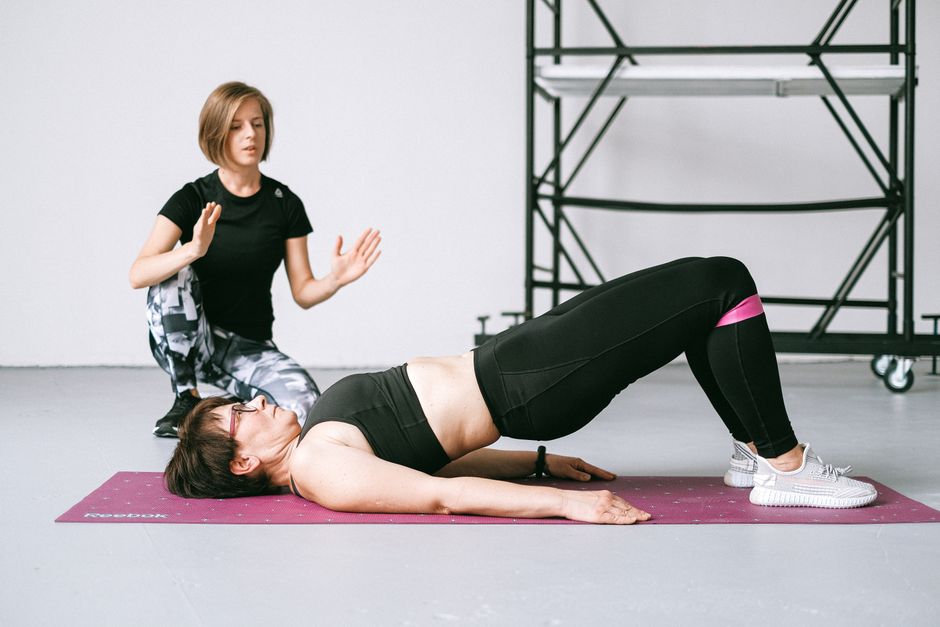
Physical therapy is the mainstay of treatment. A physical therapist can teach exercises to strengthen the muscles that support the pelvis, particularly the deep abdominal, pelvic floor, and hip muscles. They can also recommend ways to move that reduce strain on the painful joints.
A pelvic support belt is commonly used during pregnancy. It wraps around the pelvis and provides external compression that can reduce movement at the painful joints. Some clinicians recommend it; the evidence for how much it helps is limited, and it tends to be more useful for some people than others.
Other approaches that are commonly used include:
- Activity modification to avoid movements that trigger pain
- Gentle strengthening and stabilization exercises
- Manual therapy from a trained practitioner
- Pain relief medication, when appropriate and cleared by a clinician
For pain medication during pregnancy, the decision should always be made with a clinician. Some over-the-counter pain relievers are not recommended at certain stages of pregnancy, and this is not a decision to make on your own.
Acupuncture and TENS units are sometimes used for pelvic girdle pain. The evidence for these is mixed. Some studies suggest benefit, while others do not show a clear effect. They are generally considered low-risk options, but they should not replace exercise-based treatment.
For most people, the goal of treatment is not complete rest. Staying active within a comfortable range is usually encouraged, because prolonged inactivity can weaken the muscles that support the pelvis. The key is finding the level of activity that does not make the pain worse.
Does Pelvic Girdle Pain Go Away After Pregnancy?
For many people, symptoms improve in the weeks and months after giving birth. But “many” is not “all,” and the timeline varies a lot.
Some people notice significant improvement within the first few weeks postpartum. Others continue to have pain for several months. A smaller group has ongoing symptoms that last longer. Research on long-term outcomes is limited, and studies have reported a wide range of results, so it is hard to give a precise number for how many people recover fully and how quickly.
Factors that may affect recovery include how severe the pain was during pregnancy, how early treatment started, and how much the pelvic joints were affected. Staying with a physical therapy program after birth is often recommended, even if symptoms are improving, to rebuild strength and reduce the chance of recurrence.
If pain continues well beyond the expected recovery period, or if it is getting worse rather than better, that is a reason to seek further assessment rather than wait it out.
Can Pelvic Girdle Pain Be Prevented?
There is no proven way to prevent pelvic girdle pain entirely. Because the hormonal changes of pregnancy are normal and necessary, the ligament loosening that contributes to the condition cannot be avoided.
That said, some general measures may reduce the strain on the pelvis. These include staying reasonably active, avoiding prolonged standing on one leg, and using good body mechanics when lifting or moving. For people with physically demanding jobs, adjusting how tasks are done may help.
If you had pelvic girdle pain in a previous pregnancy, it is worth mentioning this early to your care provider. A history of the condition is one of the more consistent risk factors for developing it again, and starting treatment earlier may help.
What does not have strong evidence behind it is the idea that any single exercise, supplement, or device reliably prevents pelvic girdle pain. Claims to that effect should be treated with caution.
When Should You See a Doctor?
See a doctor if pelvic pain is severe, comes on suddenly, or is accompanied by symptoms that suggest something other than a musculoskeletal problem. These include fever, chills, unusual vaginal bleeding, difficulty urinating, or pain that is not related to movement.
Also seek care if the pain is stopping you from walking, working, or caring for yourself or your family. Pelvic girdle pain is treatable, and getting help earlier tends to make management easier.
If you are pregnant and unsure whether your pain is pelvic girdle pain or something else, that is a good reason to ask. The distinction matters, because the treatment approach is different for different causes of pelvic pain.
Frequently Asked Questions
What is pelvic girdle pain?
It is pain coming from the joints and ligaments that form the pelvic ring, most often felt at the back of the pelvis, the groin, or the pubic bone. It is different from ordinary low back pain and is triggered by movements that load one leg or spread the pelvis.
Does pelvic girdle pain go away on its own?
For many people it improves in the weeks and months after pregnancy, but the timeline varies and some continue to have symptoms longer. Physical therapy is often recommended to support recovery rather than waiting for it to resolve by itself.
What makes pelvic girdle pain worse?
Walking, climbing stairs, turning in bed, standing on one leg, and spreading the legs are common triggers. The pain usually eases with rest but returns when the person moves again.
Is pelvic girdle pain the same as sciatica?
No. Sciatica comes from irritation of the sciatic nerve and typically causes pain, numbness, or tingling that travels down the leg. Pelvic girdle pain comes from the pelvic joints and is usually felt in the pelvis, groin, or buttocks rather than following a nerve path down the leg.
