
Pathology residency is the four-year medical training period where physicians learn to diagnose disease by examining tissues, cells, and bodily fluids. It is one of the least visible medical specialties to the public, but it sits at the center of nearly every major medical decision. Residents spend their days at a microscope, in grossing rooms, and at the autopsy table rather than at a patient’s bedside. The work is intellectually demanding, methodical, and largely solitary compared to other specialties.
What Does a Pathology Resident Actually Do Day to Day?
A typical day depends heavily on the rotation. In the first year, residents rotate through all core areas. These include surgical pathology, autopsy, clinical chemistry, hematology, microbiology, and transfusion medicine. By the second year, they begin choosing an area of focus, though all residents must complete the same core requirements before graduation.
Surgical pathology is the backbone of the specialty. Residents examine organs and tissues removed during surgery. They describe the gross appearance, select pieces for microscopic slides, and then diagnose what they see under the microscope. A single case can range from a benign mole to a complex cancer resection with multiple lymph nodes.
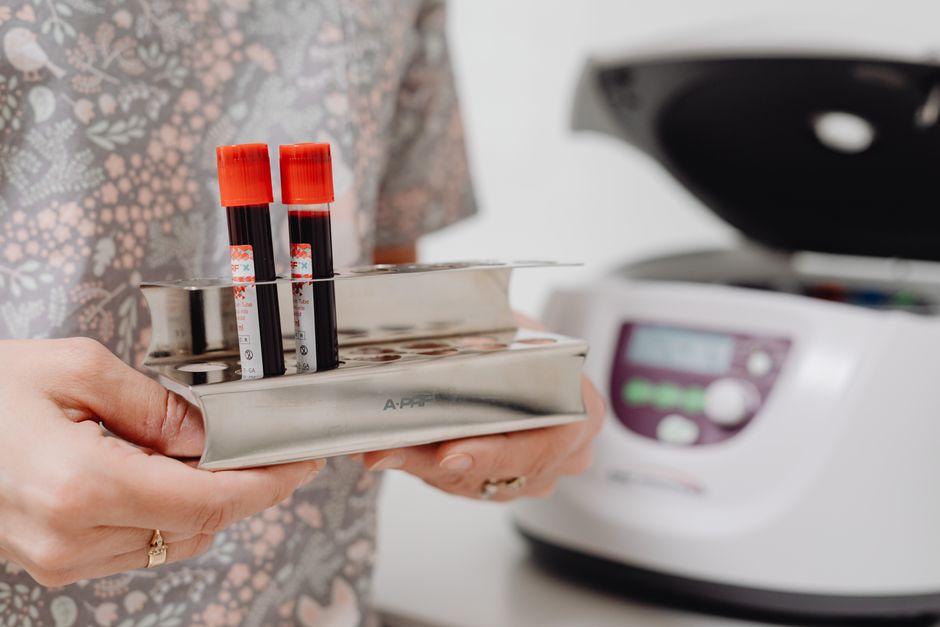
Clinical pathology is different. This side of the field involves laboratory medicine. Residents oversee blood banks, interpret abnormal lab results, and troubleshoot issues with testing equipment. They consult with clinicians about which tests to order and what abnormal results mean for patient care.
Autopsy rotations are required but make up a small portion of most residency programs. These provide a unique view of disease end stages and are often where residents see the direct consequences of missed diagnoses or aggressive disease.
How Long Is Pathology Residency and What Comes After?
Pathology residency lasts four years in the United States. The first year is usually a broad introduction called AP/CP training, covering both anatomic and clinical pathology. After completing the four years, residents are eligible to sit for board certification exams.
Most graduating pathologists pursue a fellowship afterward. Common fellowships include hematopathology, dermatopathology, cytopathology, forensic pathology, and molecular genetic pathology. These add one to two years of subspecialty training. A small number of pathologists enter practice immediately after residency, particularly in community hospitals where general pathology coverage is needed.
The total training time is comparable to internal medicine or pediatrics. It is shorter than surgical residencies like general surgery or neurosurgery, which typically run five to seven years.
What Is the Work-Life Balance Like During Training?
Pathology residency is generally considered to have a better work-life balance than most clinical specialties. The Accreditation Council for Graduate Medical Education limits residents to 80 hours per week, and most pathology programs stay well below that cap. Average work weeks in pathology residency typically range from 45 to 60 hours depending on the rotation and the program.
Night call exists but looks different than in clinical fields. Instead of being called to a hospital floor, pathology residents take call from home or from the lab. They handle frozen sections, stat blood bank issues, and urgent lab results. Some programs have in-house night coverage, but many do not.
Weekend work is common during training, particularly on surgical pathology rotations where specimens arrive continuously. However, most programs provide some protected weekends off each month. Compared to internal medicine residents who often work 28-hour shifts, pathology residents rarely face that level of physical exhaustion.
That said, the mental fatigue is real. Signing out cases requires sustained concentration. A single missed cell cluster can change a patient’s entire treatment plan. The responsibility is heavy even when the hours are lighter.





Is Pathology Residency Competitive to Match Into?
Pathology is moderately competitive. It is not as difficult to match into as dermatology, orthopedic surgery, or neurosurgery. It is also not as easy as some primary care fields have historically been. In recent years, pathology has become somewhat more competitive as medical students recognize the lifestyle benefits and the growing role of molecular diagnostics.
International medical graduates match into pathology at higher rates than into many other specialties. The field values research experience, particularly in basic science or translational research. USMLE Step 1 and Step 2 scores matter but are not the sole deciding factor. Letters of recommendation from pathologists carry significant weight.
Applicants who have done a pathology rotation or research project in the field have a clear advantage. Programs want to see genuine interest, not applicants using pathology as a backup plan.
What Skills Do You Need to Succeed?
Strong visual memory is essential. Pathologists must recognize patterns in tissue samples and recall subtle differences between similar-looking cells. This skill develops over time but requires a natural aptitude for visual detail.
Patience is another core requirement. Many diagnoses require hours of careful examination. A single lymph node biopsy can take forty-five minutes to fully evaluate. Rushing through cases leads to errors, and errors in pathology have direct patient consequences.
Communication skills matter more than most people expect. Pathologists write reports that guide treatment decisions. They must describe findings clearly enough that surgeons and oncologists can act on them. They also field phone calls from clinicians who want to discuss difficult cases or ask why a diagnosis was rendered a certain way.
Comfort with uncertainty is critical. Some cases never yield a definitive diagnosis despite exhaustive testing. Pathologists must be honest about what they know and what they do not know. Ordering additional tests, requesting second opinions, and acknowledging diagnostic limitations are all part of the job.
What Are the Hardest Parts of Pathology Residency?
The steep learning curve in the first year is often the biggest challenge. Medical school teaches pathology as a subject, but it does not teach the practical skills of grossing specimens or navigating a microscope efficiently. New residents frequently feel overwhelmed by the volume of information they must absorb.
Isolation is another difficulty. Pathology residents spend most of their time alone or with a small group of colleagues. There is no patient interaction to provide immediate feedback or gratitude. The work can feel thankless, especially when clinicians take credit for diagnoses that pathologists made.
The responsibility is also heavier than many anticipate. A pathology diagnosis can determine whether a patient receives chemotherapy, surgery, or hospice care. Misdiagnoses can be catastrophic. This weight settles on residents early and never fully lifts.
Some residents struggle with the physical demands of standing at a grossing bench for hours or sitting at a microscope for extended periods. Ergonomic injuries, particularly neck and back strain, are common complaints in the field.
What Do Pathology Residents Earn During Training?
Resident salaries are set by each program and vary by region. The national average for pathology residents is roughly $60,000 to $70,000 per year. First-year residents earn less than senior residents. Programs in high-cost cities like New York or San Francisco typically pay more, though the higher salary is often offset by living expenses.
Most programs include health insurance, malpractice coverage, and paid time off as part of the compensation package. Some offer additional benefits like meal allowances, educational stipends, or funding for conference travel. These benefits vary widely between programs.
Fellowship salaries are slightly higher, usually in the $70,000 to $85,000 range. Attending pathologists earn significantly more. The median salary for practicing pathologists in the United States is around $240,000 per year, though this varies by practice setting, geographic region, and subspecialty.
How Is Pathology Residency Different From Other Medical Residencies?
The most obvious difference is the absence of direct patient care. Pathology residents never write prescriptions, never admit patients, and never run codes. They interact with patients only in rare circumstances, such as performing bone marrow biopsies or fine needle aspirations.
The pace is also different. Clinical residencies are driven by patient flow, rounding schedules, and discharge timelines. Pathology residency is driven by specimen volume and case complexity. A slow day in the lab is a good day. A slow day on the wards often means something is wrong.
Pathology residents have more control over their daily schedule than most clinical residents. Once their assigned cases are complete, they can often use remaining time for studying or research. This autonomy is a major draw for many applicants.
However, pathology lacks the immediate gratification of clinical medicine. When a patient improves after treatment, the physician sees the result directly. Pathologists rarely see their patients at all. The connection between their work and patient outcomes is real but indirect.
Frequently Asked Questions
Do pathology residents work nights and weekends?
Yes, but less than most clinical specialties. Night call typically involves frozen sections and urgent lab issues, and weekend coverage is usually lighter than weekday responsibilities.
Is pathology residency easier than other medical residencies?
The hours are generally shorter, but the intellectual demands are comparable to any other specialty. The difficulty is different in nature, not lesser in degree.
Can you go straight into practice after pathology residency?
Yes, some residents enter general practice immediately after completing four years. However, most choose to complete a one to two year fellowship in a subspecialty first.
Do pathologists ever talk to patients?
Rarely. Pathologists may interact with patients during bone marrow biopsies, fine needle aspirations, or in transfusion medicine settings, but direct patient care is not part of routine pathology practice.
