
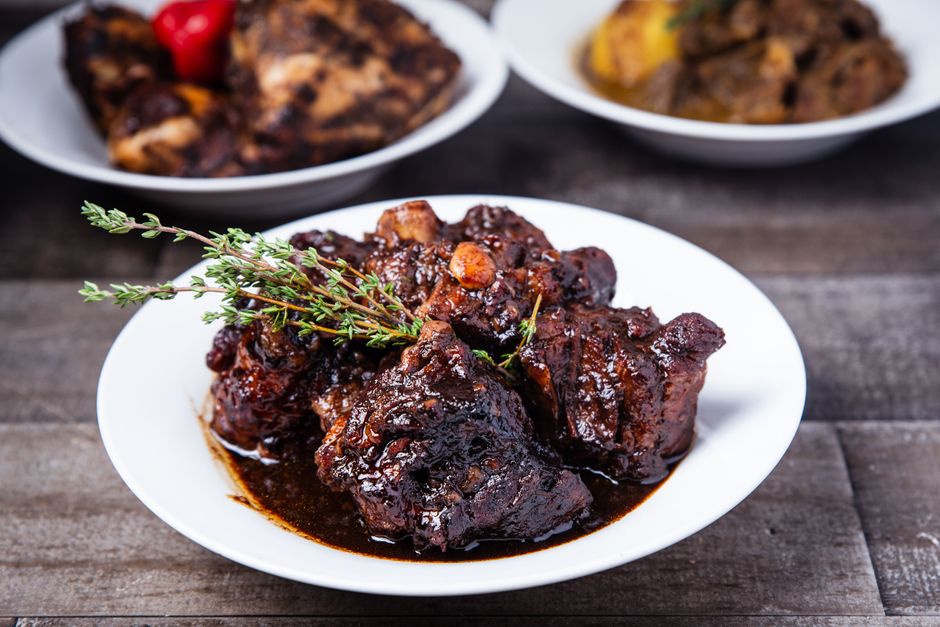
Oxtail is the culinary name for the tail of cattle. It is a tough, bony cut of meat that becomes tender and flavorful only through long, slow cooking methods like braising or stewing. The name comes from the traditional use of oxen, but today it usually comes from beef cattle of either sex.
What Is Oxtail And How Do You Cook It
Oxtail is a cut of meat that sits at the base of the cow’s spine. It consists of a central bone surrounded by layers of rich, gelatinous meat and fat. Because the tail muscles do a lot of work, the meat is dense and full of connective tissue. That connective tissue is what makes oxtail special.
When cooked slowly with moisture, the collagen in the connective tissue breaks down into gelatin. This gives the meat a silky texture and creates a deeply savory, rich sauce. Quick cooking methods like grilling or pan-searing will leave oxtail tough and chewy. It needs time and low heat to shine.
Oxtail is popular in many cuisines. It is a staple in Jamaican, Korean, Italian, and Southern American cooking. Each culture has its own seasoning and serving style, but the cooking principle is always the same: low and slow.
What Does Oxtail Taste Like?
Oxtail has a beefy flavor that is more intense than regular steak or roast. It is often described as deeply savory with a natural richness that comes from the bone marrow and fat. The gelatin released during cooking coats the tongue and gives the sauce a luxurious mouthfeel.
The texture is what surprises most first-timers. The meat becomes so tender that it falls off the bone, while the connective tissue turns soft and almost buttery. Some people enjoy eating the marrow from the center of the bone, which has a creamy, concentrated beef flavor.
How To Buy Oxtail
Oxtail is usually sold sliced into rounds, showing the bone in the center with meat around it. You can find it fresh or frozen at many grocery stores, butchers, and specialty markets. It is not always on display, so you may need to ask the butcher.
Look for pieces with a good amount of meat around the bone. Some pieces are mostly bone with very little meat, which is fine for flavoring soups but not ideal for a main dish. A mix of meaty pieces and bony pieces works well for most recipes.
Oxtail can be expensive compared to other beef cuts because each animal only yields a small amount. The price reflects the demand and the rich flavor, not the quantity.





The Best Cooking Method: Braising
Braising is the standard way to cook oxtail. This method uses dry heat first to brown the meat, followed by slow cooking in a covered pot with liquid. The browning step adds deep flavor through the Maillard reaction, which is the browning that happens when meat hits high heat.
After browning, the oxtail is simmered in liquid such as beef broth, wine, tomatoes, or a combination. The pot is covered and kept at a gentle simmer for two and a half to three and a half hours. The meat is done when it is fork-tender and easily pulls away from the bone.
A Dutch oven is ideal for braising because it holds heat evenly and goes from stovetop to oven safely. A heavy-bottomed pot with a tight-fitting lid also works well. Slow cookers and pressure cookers are convenient alternatives, though the flavor development is slightly different.
Pressure Cooker and Slow Cooker Options
A pressure cooker, such as an Instant Pot, cuts the cooking time dramatically. Oxtail in a pressure cooker takes about 45 minutes to an hour at high pressure. The results are tender and flavorful, though the sauce may need thickening afterward because less liquid evaporates.
A slow cooker is the most hands-off option. Brown the oxtail first, then transfer it to the slow cooker with your liquid and aromatics. Cook on low for six to eight hours or on high for four to five hours. The meat will be very tender, but you lose some of the browning flavor unless you sear first.
No matter which method you choose, always brown the meat first. This step is not optional if you want the deepest flavor. Skipping it produces a milder, less complex dish.
Classic Oxtail Recipe Outline
A basic oxtail recipe follows a simple structure. You can adapt the seasonings to your taste, but the technique stays the same.
- Season the oxtail pieces with salt and pepper.
- Heat oil in a heavy pot and brown the oxtail in batches. Do not crowd the pot.
- Remove the meat and sauté onions, garlic, and any aromatics in the same pot.
- Add liquid such as beef broth, red wine, or crushed tomatoes. Scrape up the browned bits from the bottom.
- Return the oxtail to the pot, cover, and simmer slowly until tender.
- Skim off excess fat and season to taste before serving.
Common additions include carrots, celery, thyme, bay leaves, and Worcestershire sauce. In Jamaican cooking, oxtail is often seasoned with scotch bonnet peppers, allspice, and thyme, then cooked with butter beans. In Korean cuisine, it is braised with soy sauce, ginger, and garlic.
How To Serve Oxtail
Oxtail is rich and heavy, so it pairs well with simple starches that absorb the sauce. Mashed potatoes, polenta, rice, or crusty bread are all excellent choices. The sauce is the star, so you want something that soaks it up.
Oxtail soup is another popular way to serve it. The bones add deep flavor to the broth, and the meat becomes fork-tender. In Korean cooking, oxtail soup called kkori gomtang is a comforting dish served with green onions and rice.
Leftover oxtail often tastes even better the next day. The flavors meld overnight, and the sauce thickens as it cools. Reheat gently on the stovetop or in the oven, adding a splash of liquid if needed.
Nutrition and Health Considerations
Oxtail is a nutrient-dense food. It provides protein, iron, zinc, and B vitamins. The bone marrow contains fat, and the meat itself has a moderate amount of saturated fat. It is not a lean cut, but it can fit into a balanced diet in reasonable portions.
One portion of oxtail is typically about four ounces of cooked meat, though the bone makes it hard to measure precisely. A typical serving from a stew might include two or three pieces. The exact calorie and fat content varies depending on how much visible fat you trim and how the dish is prepared.
If you are watching your saturated fat intake, you can cool the cooked dish and skim the hardened fat from the top. This removes a significant amount of the fat without sacrificing flavor. You can also trim visible fat from the raw pieces before cooking, though some fat is necessary for moistness.
Common Mistakes To Avoid
The most common mistake is rushing the cooking process. Oxtail cannot be rushed. If you cook it too quickly or at too high a temperature, the meat stays tough and the connective tissue does not break down properly.
Another mistake is skipping the browning step. Browning adds layers of flavor that you cannot get any other way. It takes extra time, but the difference in the final dish is noticeable.
Finally, do not overseason early in the cooking process. As the liquid reduces, the flavors concentrate. Season lightly at the start and adjust at the end. This prevents the dish from becoming too salty.
Frequently Asked Questions
How long does oxtail take to cook?
Oxtail takes two and a half to three and a half hours on the stovetop or in the oven. A pressure cooker takes about 45 minutes to an hour, and a slow cooker takes six to eight hours on low.
Do you need to brown oxtail before cooking?
Yes, browning the oxtail before braising is important for deep flavor. The browning step creates complex savory compounds that cannot be developed through slow cooking alone.
Is oxtail healthy to eat?
Oxtail provides protein, iron, zinc, and B vitamins, but it is not a lean cut of meat. It contains saturated fat, so it is best eaten in moderate portions as part of a balanced diet.
Can you eat the bone marrow in oxtail?
Yes, the bone marrow is safe to eat and many people consider it a delicacy. It has a rich, creamy texture and a concentrated beef flavor.
