
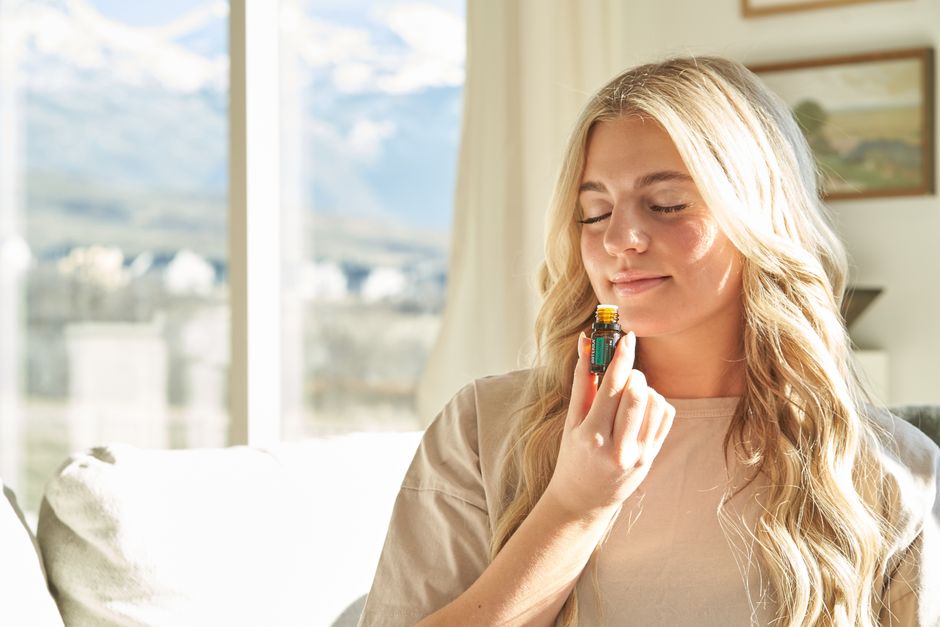
Smelling things more intensely or differently than other people is not by itself a sign of autism. But unusual reactions to smells — either being very sensitive to them or barely noticing them — are common in autistic people. The key difference is whether the smell sensitivity causes real problems in daily life or is just a personal preference. Many people without autism also have strong reactions to certain smells. The clinical term for this is sensory processing differences, and it is one of several areas where autistic people may experience the world differently than neurotypical people.
What Does Unusual Smell Sensitivity Actually Look Like?
Some people smell things that others do not notice at all. A perfume from across the room might feel overwhelming. The smell of a banana might make someone feel sick. Cooking smells might be too strong to tolerate. This is called hyperosmia — a heightened sense of smell.
Other people barely notice smells that most people find obvious. They might not smell garbage that needs to be taken out. They might not notice when food has gone bad. This is called hyposmia — a reduced sense of smell.
Both patterns can occur in autistic people. Some studies suggest that about 40 to 80 percent of autistic individuals have some form of sensory processing difference. Smell is one of the senses affected, but it is rarely the only one. Touch, sound, and taste are also commonly involved.
The important thing to understand is that having a strong or weak sense of smell does not mean someone is autistic. Many non-autistic people also have these traits. What matters for diagnosis is the pattern of multiple sensory differences and how they affect daily functioning.
Is Smelling Things A Sign Of Autism Sensory Facts — What Research Actually Shows
Research published in the journal Molecular Autism has found that autistic people process smells differently than non-autistic people. One study used brain scans and found that the parts of the brain that handle smell information were activated differently in autistic participants. This does not mean their sense of smell is better or worse — just that the brain handles it differently.
Another study from 2020 in Autism Research looked at how autistic children responded to different smells. The researchers found that autistic children were more likely to have extreme reactions — either very strong dislike or very little interest. Non-autistic children were more likely to have moderate reactions.
But here is where the hype gets ahead of the evidence. Some online sources claim that a heightened sense of smell is a reliable early sign of autism. That is not supported by the research. The studies show group differences, not a test that can diagnose anyone based on smell sensitivity alone.
The CDC states that autism is diagnosed through a combination of developmental history, behavioral observations, and standardized assessments. Sensory differences are part of the picture, but they are not the whole picture.
How Is Smell Sensitivity Different From A Normal Strong Reaction?
Most people have a smell they cannot stand. Maybe it is bleach. Maybe it is a certain food. That is normal. The difference in autism is often about intensity and frequency.
An autistic person might react to smells that do not bother anyone else in the room. They might have a strong physical reaction — gagging, headache, anxiety, or even panic. This is not being picky. It is a genuine sensory experience that feels overwhelming.
Another difference is that the reaction tends to be consistent over time. A non-autistic person might get used to a smell after a while. An autistic person might continue to find it just as unpleasant every time.
There is also a difference in how the person responds. An autistic child might cover their nose, leave the room, or have a meltdown. A non-autistic child might just say they do not like it. The intensity of the behavioral response is often what leads parents to seek evaluation.





What Causes These Sensory Differences In Autism?
The exact cause is not fully understood. But researchers have several working theories. One idea is that the brain filters sensory information differently. In non-autistic people, the brain automatically turns down the volume on unimportant sensory input. In some autistic people, that filtering system works differently. All sensory input comes through at full strength.
Another theory involves differences in how the brain connects different regions. The olfactory system — the part of the brain that processes smell — connects to areas involved in emotion and memory. If those connections are stronger or weaker than usual, it could explain why smells trigger such strong emotional reactions in some autistic people.
There is also a genetic component. Autism runs in families. Some of the same genes that affect brain development may also affect how the sensory system develops. But this is an area where research is still early. No single gene has been identified as the cause of smell sensitivity in autism.
| Sensory Response Type | What It Looks Like | Common in Autism? | Also Seen Without Autism? |
|---|---|---|---|
| Heightened smell sensitivity | Strong reactions to mild odors | Yes, frequently | Yes, less often |
| Reduced smell sensitivity | Does not notice strong odors | Yes, sometimes | Yes, less often |
| Average smell sensitivity | Reacts to strong odors only | Less common | Most common |
| Seeking strong smells | Likes intense odors like gasoline | Yes, sometimes | Rare |
When Should You Consider An Autism Evaluation?
Smell sensitivity alone is never enough reason to seek an autism evaluation. But if you notice a pattern of unusual reactions across multiple senses, it might be worth looking into.
Here are some signs that together might suggest an evaluation is reasonable:
- Strong reactions to sounds — covering ears at normal volume
- Dislike of certain textures in food or clothing
- Resistance to being touched or hugged in certain ways
- Intense focus on specific interests
- Difficulty with changes in routine
- Delayed or unusual speech development
- Repetitive movements like hand flapping or rocking
These signs do not automatically mean autism. But if several of them are present and they interfere with daily life, a professional evaluation can provide clarity. The gold standard for diagnosis is the ADOS-2 — a structured observation done by a trained clinician.
Many adults also discover they are autistic later in life. They might have always known they were sensitive to smells but never connected it to autism. Online screening tools like the RAADS-R or AQ-10 can be a starting point, but they are not diagnostic. A formal evaluation is still needed for a confirmed diagnosis.
What To Avoid When Reading About Smell Sensitivity And Autism
There is a lot of misinformation online. Some articles claim that smelling things too much is a guaranteed sign of autism. That is false. Other articles claim that autistic people always have a superhuman sense of smell. That is also false.
Some content creators suggest that you can diagnose autism by how someone reacts to a specific smell. That is not how diagnosis works. No single sensory test can confirm or rule out autism.
Another common myth is that smell sensitivity in autism is always negative. Some autistic people enjoy certain strong smells. They might like the smell of gasoline, paint, or strong spices. This is called sensory seeking. It is also part of the sensory processing differences seen in autism.
The research on smell sensitivity in autism is real and growing. But it is not yet at the point where it can be used for screening or diagnosis. If you read something that claims otherwise, be skeptical. Look for sources that cite actual studies from reputable journals like Autism Research, Molecular Autism, or the Journal of Autism and Developmental Disorders.
Frequently Asked Questions
Can being sensitive to smells mean I have autism?
Not by itself. Many non-autistic people are also sensitive to smells. It only becomes relevant for autism when combined with other sensory and behavioral differences.
Is a strong sense of smell a common sign of autism in children?
Yes, unusual reactions to smells are common in autistic children, but they are not a reliable sign on their own. A child with smell sensitivity but no other autism traits is unlikely to be autistic.
Can smell sensitivity in autism be treated?
There is no cure for sensory differences, but occupational therapy can help people manage their reactions. Strategies include avoiding strong smells, using calming techniques, and gradually building tolerance.
Do all autistic people have smell sensitivity?
No. Some autistic people have typical smell sensitivity. Others have reduced sensitivity. The pattern varies widely from person to person.
