
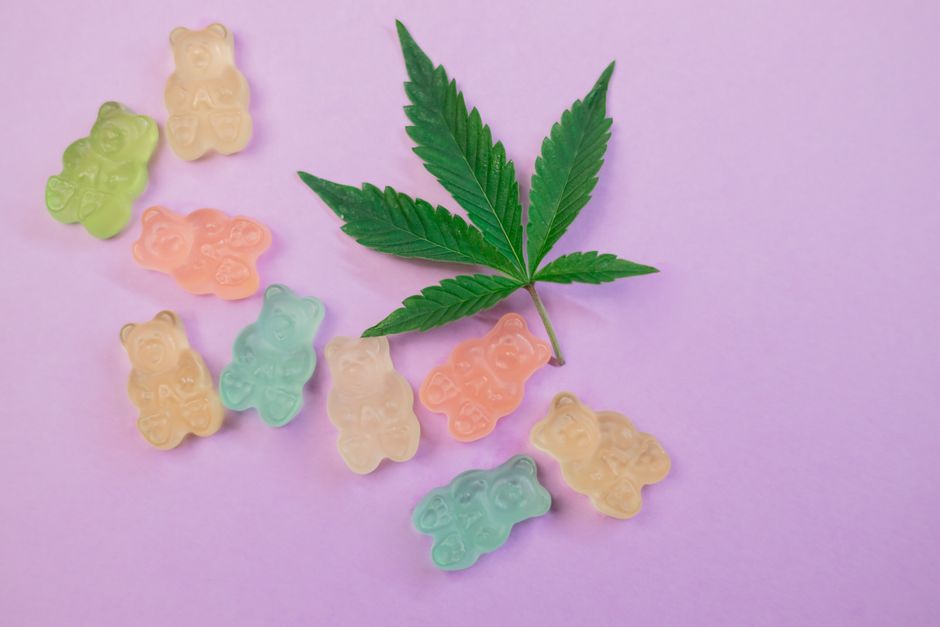
Canna gummies are edible candies that contain THC (tetrahydrocannabinol), CBD (cannabidiol), or both. These are the two most studied compounds found in cannabis plants. THC is the compound that produces a “high.” CBD does not cause intoxication. What is inside these gummies varies widely by product. The base ingredients typically include gelatin or pectin, sugar, flavoring, and coloring. The active ingredients are cannabis extracts, which can be full-spectrum (containing many cannabis compounds including trace THC), broad-spectrum (multiple compounds but no THC), or isolates (pure CBD or pure THC).
What Are Canna Gummies THC CBD and What’s Inside Them?
To understand what is inside canna gummies, you have to look past the candy shell. The active ingredients come from cannabis plants. There are two main species: Cannabis sativa and Cannabis indica. Hemp is a variety of Cannabis sativa that is legally defined by having no more than 0.3% THC by dry weight. Marijuana is cannabis with more than 0.3% THC.
The extraction method matters. CO2 extraction is the cleanest method and is used by most reputable brands. Ethanol extraction is also common but can leave trace solvents if not done properly. The resulting oil is then mixed into the gummy base. The carrier oil is almost always MCT oil (medium-chain triglyceride from coconut) or hemp seed oil. These oils help your body absorb the cannabinoids.
Other common ingredients include citric acid for tartness, tapioca syrup, and natural flavors. Some products add melatonin for sleep or caffeine for energy. Always check the label for the exact cannabinoid content per gummy. A 10 mg CBD gummy is very different from a 10 mg THC gummy.
What Does Research Show About Canna Gummies?
Research on CBD and THC gummies is growing but still limited compared to other medications. The strongest evidence exists for prescription CBD medications. The FDA has approved Epidiolex, a purified CBD oil, for two rare forms of childhood epilepsy. Research published in the New England Journal of Medicine found that CBD reduced seizure frequency by 39% compared to placebo.
For THC, the evidence is strongest for pain management and nausea. A 2020 review in the Journal of Pain found that cannabis-based medicines provided moderate pain relief for chronic pain patients. The National Academies of Sciences, Engineering, and Medicine concluded that there is conclusive evidence for the use of cannabis to treat chronic pain and nausea from chemotherapy.
Evidence for anxiety, sleep, and inflammation is less certain. Some studies suggest CBD may help with anxiety. A 2019 study in The Permanente Journal found that 79% of participants reported lower anxiety scores after taking CBD. But the study was small and had no placebo group. The CDC states that evidence for CBD treating anxiety is insufficient to make clinical recommendations.
There is no strong evidence that gummies work better than oils or tinctures. Gummies take longer to work because they must pass through your digestive system. Onset time is usually 30 to 90 minutes. The effects last longer — typically 4 to 6 hours — because the liver processes the cannabinoids slowly.
What Are the Side Effects of Canna Gummies?
Side effects depend heavily on whether the gummy contains THC, CBD, or both. THC gummies carry more risks. Common side effects include dry mouth, red eyes, increased heart rate, coordination problems, and slower reaction times. Higher doses can cause anxiety, paranoia, and hallucinations. The CDC warns that edible THC products are a leading cause of cannabis-related emergency room visits, especially in older adults and people new to cannabis.
CBD gummies have a better safety profile but are not risk-free. The World Health Organization reports that CBD is generally well tolerated. Common side effects include fatigue, diarrhea, and changes in appetite or weight. CBD can also interact with prescription medications. It inhibits the same liver enzymes that break down many common drugs, including blood thinners like warfarin and some antidepressants.
A major concern with gummies is accidental overconsumption. Because they look like regular candy, children and pets can mistake them for treats. The FDA has received reports of children being hospitalized after eating THC gummies. Store these products in childproof containers and keep them out of reach.





How Do You Choose a Quality Canna Gummy?
Quality varies wildly in the unregulated market. The FDA does not approve CBD or THC gummies as dietary supplements. This means there is no federal oversight of what is actually inside the package. A 2017 study in JAMA tested 84 CBD products and found that 26% contained less CBD than advertised. Some contained THC when the label said none.
Here is what to look for when choosing a quality product:
- Third-party lab testing. Reputable brands send every batch to an independent lab. The lab results should be available on the brand’s website. Look for a Certificate of Analysis (COA) that lists cannabinoid content, terpene profile, and tests for heavy metals, pesticides, and solvents.
- Clear labeling. The label should state the exact amount of CBD and THC per gummy in milligrams. Avoid products that list “proprietary blend” without individual amounts.
- Hemp source. US-grown hemp is regulated by state departments of agriculture. Hemp from overseas may contain higher levels of heavy metals or pesticides.
- Extraction method. CO2 extraction is the gold standard. Avoid products that do not disclose their extraction method.
Avoid products that make medical claims. If a label says “cures cancer” or “treats Alzheimer’s,” it is illegal and likely unsafe. The FDA sends warning letters to companies that make these claims. Legitimate brands do not promise to treat or cure any disease.
What Is the Difference Between CBD and THC Gummies?
The difference comes down to chemistry and effect. Both compounds interact with your body’s endocannabinoid system, but they bind to different receptors. THC binds directly to CB1 receptors in the brain, which causes the intoxicating “high.” CBD has a low affinity for CB1 receptors and instead influences other receptors, including serotonin receptors.
Here is a direct comparison of the two types of gummies:
| Feature | CBD Gummies | THC Gummies |
|---|---|---|
| Intoxication | No high | Produces a high |
| Onset time | 30-90 minutes | 30-90 minutes |
| Duration | 4-6 hours | 4-8 hours |
| Legality (federal) | Legal if from hemp | Illegal under federal law |
| Common dose | 10-50 mg | 2.5-10 mg |
| Primary use | Anxiety, inflammation, sleep | Pain, nausea, recreation |
| Side effect risk | Low | Moderate to high |
Some gummies contain both CBD and THC. These are called “balanced” or “1:1” gummies. The theory is that CBD can blunt some of the negative effects of THC, like anxiety and paranoia. Early research supports this idea, but the evidence is not conclusive. Some people find that a small amount of THC improves the effectiveness of CBD for pain relief.
Are Canna Gummies Legal in the United States?
The legal status is confusing because federal and state laws conflict. Under the 2018 Farm Bill, hemp-derived CBD products with less than 0.3% THC are federally legal. THC gummies derived from marijuana are illegal under federal law, regardless of state laws. The Drug Enforcement Administration (DEA) still classifies marijuana as a Schedule I controlled substance.
State laws vary widely. As of 2026, 24 states and Washington D.C. have legalized recreational marijuana. Many more states allow medical marijuana with a prescription. Some states allow only CBD products with zero THC. A few states still prohibit all cannabis products, including hemp-derived CBD. You must check your state’s specific laws before purchasing.
The FDA has not approved CBD gummies as a food additive or dietary supplement. This means they cannot legally be sold across state lines as food products. The FDA has stated that it is working on a regulatory framework but has not finalized one. Until then, the market operates in a gray area. The safest approach is to buy from a local dispensary if you live in a state where cannabis is legal. Dispensaries are regulated at the state level and must follow testing and labeling requirements.
Common Misconceptions About Canna Gummies
One common myth is that all CBD gummies are the same. They are not. Full-spectrum CBD gummies contain all the cannabinoids found in the hemp plant, including trace amounts of THC (up to 0.3%). Broad-spectrum gummies have multiple cannabinoids but no THC. Isolate gummies contain only pure CBD. Some people report that full-spectrum products work better due to the “entourage effect,” where multiple cannabinoids work together. This is widely claimed, but strong evidence from clinical trials is limited.
Another myth is that you cannot overdose on cannabis gummies. While a fatal overdose from cannabis alone is extremely rare, you can take too much. Taking a high dose of THC gummies can cause severe anxiety, vomiting, hallucinations, and temporary psychosis. This is called cannabis intoxication. The CDC reports that emergency room visits for cannabis-related issues have increased significantly since legalization. Start with a low dose — 2.5 mg of THC or 10 mg of CBD — and wait at least two hours before taking more.
A third misconception is that “natural” means safe. Some gummies marketed as “all-natural” contain unlisted synthetic cannabinoids. The FDA has found products labeled as CBD that contain synthetic THC analogues like delta-8 THC. These compounds are not well studied and may have unpredictable effects. Always buy from a brand that provides third-party lab results, regardless of how natural the marketing sounds.
Frequently Asked Questions
What are canna gummies made of?
Canna gummies are made from gelatin or pectin, sugar, flavorings, and cannabis extract containing THC, CBD, or both. The cannabis extract is usually mixed into a carrier oil like MCT oil.
How long do canna gummies take to work?
Most canna gummies take 30 to 90 minutes to produce effects because they must be digested first. The effects typically last 4 to 6 hours.
Can you take CBD and THC gummies together?
Yes, you can take them together. Some products combine both in a single gummy. CBD may reduce the anxiety and paranoia that THC can cause in some people.
Are canna gummies safe for older adults?
Older adults should be cautious, especially with THC gummies. THC can cause falls, confusion, and interactions with prescription medications. Starting with a very low dose, such as 2.5 mg of THC, is recommended.
