
Alpha-linolenic acid, often shortened to ALA, is one of the two essential fatty acids your body cannot make on its own. You must get it from food. It is a type of omega-3 fat found mainly in plant foods like flaxseeds, chia seeds, and walnuts. Your body uses ALA as a building block for cell membranes and converts a small amount into two other omega-3 fats, EPA and DHA, which play key roles in heart, brain, and eye health.
What Is Omega 3 ALA And How Does Your Body Use It?
ALA stands for alpha-linolenic acid. It is a polyunsaturated fat with 18 carbon atoms and three double bonds. The “alpha” part refers to the position of the first double bond, three carbons from the end of the molecule. That placement is what makes it an omega-3 fat.
Your body needs ALA for several basic jobs. It is a structural part of every cell membrane, helping cells stay flexible and communicate with each other. It also supports normal growth and development. But your body cannot create ALA from other molecules, so dietary intake is the only source.
The most important thing to understand about ALA is that it is not the final product. Your body must convert it to be useful in certain ways. Most of the ALA you eat is used for energy or stored. Only a small fraction gets converted into eicosapentaenoic acid (EPA) and docosahexaenoic acid (DHA), the longer-chain omega-3s found in fish oil and marine algae.
How Much ALA Converts To EPA And DHA?
The conversion process is real but inefficient. Research consistently shows that only about 5 to 10 percent of ALA converts to EPA. The conversion to DHA is even lower, typically under 5 percent. Some studies suggest it may be as low as 1 percent in some people.
Several factors affect this conversion rate. Being a woman of reproductive age may increase conversion slightly, likely because of estrogen’s influence on the enzyme involved. Age also matters — older adults tend to convert less efficiently. A diet high in omega-6 fats, like those from vegetable oils, can compete for the same enzymes and reduce ALA conversion further.
This is why nutrition guidance often distinguishes between plant-based omega-3s and marine omega-3s. If you rely only on ALA for your omega-3 intake, your blood levels of EPA and DHA will be lower than someone who eats fatty fish regularly. That does not mean ALA is useless. It means its benefits are partly direct and partly indirect through conversion.
What Foods Are Rich In ALA?
ALA is found in seeds, nuts, and some vegetable oils. Flaxseeds are among the richest sources. One tablespoon of ground flaxseed provides roughly 1.6 grams of ALA. Chia seeds are similar, with about 1.4 grams per tablespoon. Walnuts deliver about 2.5 grams per ounce, which is roughly 14 walnut halves.
Other notable sources include hemp seeds, perilla oil, and canola oil. Soybeans and soybean oil contain smaller amounts. Green leafy vegetables contain trace amounts but not enough to meaningfully contribute to daily intake.
Here is a quick comparison of common ALA sources:
- Flaxseed oil: about 7 grams per tablespoon
- Ground flaxseed: about 1.6 grams per tablespoon
- Chia seeds: about 1.4 grams per tablespoon
- Walnuts: about 2.5 grams per ounce
- Canola oil: about 1.3 grams per tablespoon
- Hemp seeds: about 1 gram per tablespoon
Flaxseed oil is the most concentrated source, but it lacks the fiber and other nutrients found in whole seeds. Ground flaxseed is often a better practical choice because the body absorbs ALA from ground seeds more easily than from whole seeds, which can pass through undigested.





What Does The Evidence Say About ALA And Heart Health?
Heart health is where ALA has the strongest evidence base. Studies have examined whether people who eat more ALA have lower rates of cardiovascular disease. The findings are reasonably consistent.
A large body of observational research suggests that higher ALA intake is associated with a lower risk of fatal heart attacks and other cardiovascular events. Some research published in the American Journal of Clinical Nutrition and similar journals has reported this association across different populations. The effect appears modest but real.
One important distinction: ALA may protect the heart through mechanisms beyond EPA and DHA conversion. ALA itself can lower inflammation and improve how blood vessels function. Some researchers believe ALA has independent cardiovascular benefits that do not depend on conversion.
However, the evidence is not as strong as it is for EPA and DHA from fish oil. Large randomized trials testing ALA supplements for heart disease prevention are fewer than those testing fish oil. The dietary pattern that includes ALA-rich foods — like the Mediterranean diet — also includes many other heart-protective foods, making it hard to isolate ALA’s specific contribution.
Can ALA Help With Inflammation And Other Conditions?
Inflammation is a common reason people seek omega-3 supplements. ALA does have anti-inflammatory properties. Some studies suggest it can reduce markers like C-reactive protein. But the effect is generally smaller than what is seen with EPA and DHA.
The evidence for ALA in specific inflammatory conditions is mixed. Some research on rheumatoid arthritis has shown modest benefit, but trials are small and results vary. For conditions like asthma or inflammatory bowel disease, the evidence is too limited to draw conclusions.
Some research has explored ALA and mental health, particularly depression. The logic is that omega-3s support brain structure and function. But most of the research has focused on EPA and DHA, not ALA. No large human trials have confirmed that ALA alone meaningfully improves depression symptoms.
There is also interest in ALA and bone health, skin health, and eye health. These areas have preliminary research but no established clinical recommendations. If you are considering ALA for any of these purposes, understand that the evidence is limited.
How Much ALA Do You Need Each Day?
Official intake recommendations for ALA exist. The National Academies of Sciences, Engineering, and Medicine set an Adequate Intake level. For adult men, it is 1.6 grams per day. For adult women, it is 1.1 grams per day. During pregnancy and breastfeeding, the recommendation rises to 1.4 and 1.3 grams per day respectively.
These are Adequate Intakes, not Recommended Dietary Allowances. They are based on the amount needed to prevent deficiency symptoms, which include dry skin, scaly rash, and poor wound healing. Most people in the United States meet or exceed these levels through their normal diet.
There is no established upper limit for ALA. High doses from supplements have been studied, and they appear safe for most people. However, very high doses could theoretically increase bleeding risk, especially if combined with blood-thinning medications. If you take blood thinners or have a bleeding disorder, talk to your doctor before taking ALA supplements.
Should You Take An ALA Supplement?
For most people, food sources are sufficient. A tablespoon of ground flaxseed plus a small handful of walnuts covers the daily ALA requirement. There is no strong evidence that high-dose ALA supplements provide benefits beyond what food sources offer.
If you follow a vegan or vegetarian diet and do not eat fish, ALA is your primary omega-3 source. In that case, paying attention to ALA-rich foods matters more. Some experts recommend that plant-based eaters include ALA sources daily and consider an algae-based DHA supplement if their EPA and DHA levels are a concern. That is a personal decision to discuss with a healthcare provider.
One caution: flaxseed oil supplements can go rancid quickly. They should be stored in the refrigerator and used before the expiration date. Ground flaxseed is more stable and provides fiber along with ALA.
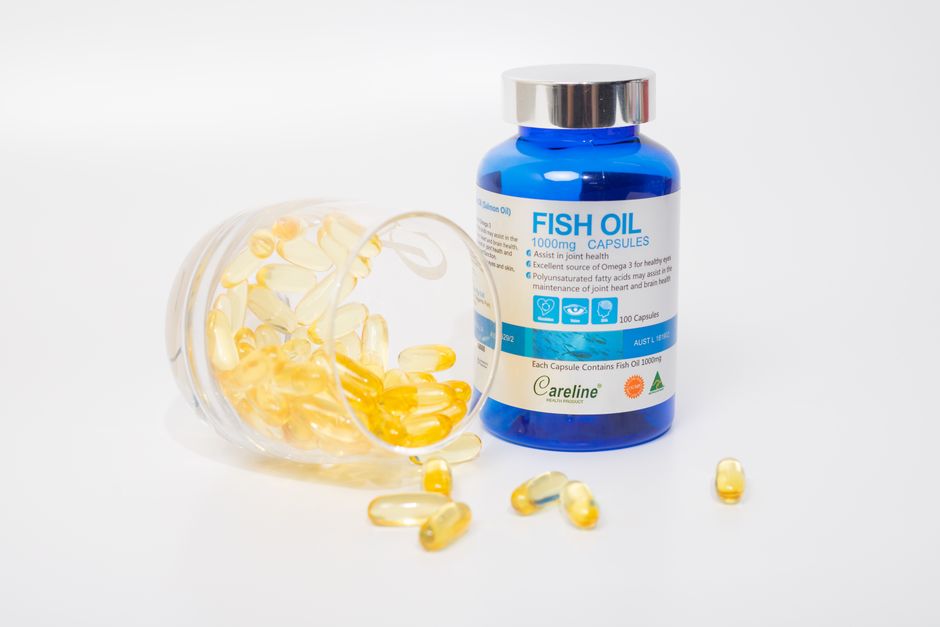
There is also a common misconception that ALA supplements are equivalent to fish oil supplements. They are not. They contain different fatty acids, and the body uses them differently. If your goal is specifically to raise EPA and DHA levels, fish oil or algae oil is more direct. If your goal is to include more plant-based omega-3s in your diet, ALA is the right choice.
Frequently Asked Questions
Is ALA the same as omega-3?
No. ALA is one specific type of omega-3 fat, but the term omega-3 also includes EPA and DHA. ALA comes from plants, while EPA and DHA come mainly from fish and algae.
Can your body convert ALA to DHA?
Yes, but very inefficiently. Less than 5 percent of ALA converts to DHA in most people. This is why fish or algae sources are recommended if you need higher DHA levels.
What happens if you do not get enough ALA?
Deficiency is rare but causes symptoms like dry, scaly skin, hair loss, and poor wound healing. The body can also use other fats to compensate, which is why deficiency symptoms take time to appear.
Are ALA supplements as good as fish oil?
No. ALA supplements raise ALA levels, but they raise EPA and DHA levels much less than fish oil does. Choose based on your specific health goal.
