
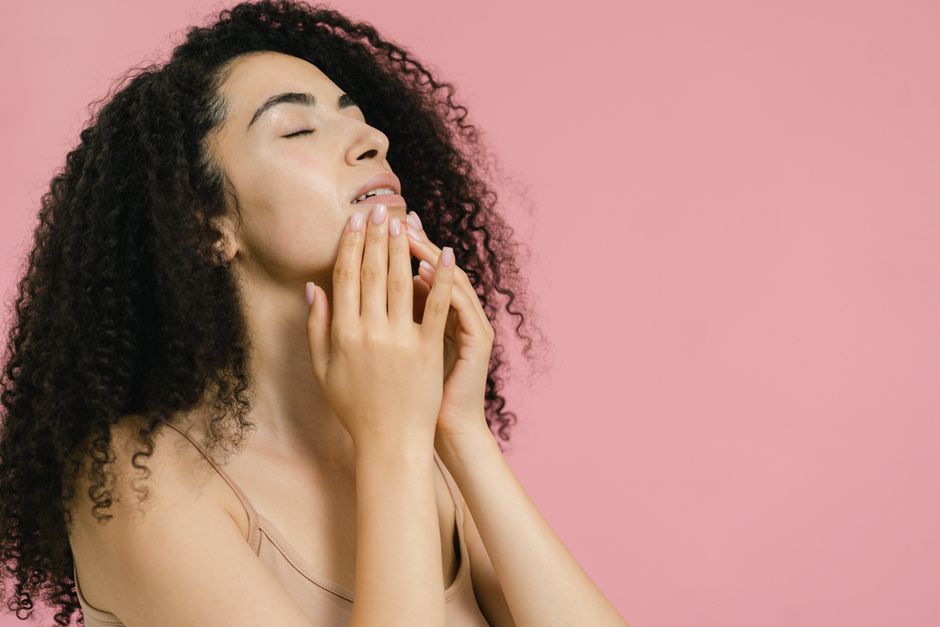
Olive skin colour is a natural skin tone with a subtle green or yellowish undertone beneath a light-to-medium base colour. It is not a tan, and it is not the same as having warm, golden, or neutral undertones. Olive skin sits in its own category because the surface colour and the undertone do not match what most people expect from standard skin tone charts. The Fitzpatrick scale, which classifies skin by how it reacts to sun exposure, often places olive skin in types III and IV. That means it usually tans easily and burns only after prolonged sun exposure.
Many people with olive skin describe it as hard to match with foundation. That is not a marketing complaint — it is a real challenge rooted in skin biology. The greenish tint comes from a combination of melanin type, blood vessel visibility, and how light scatters through the skin layers. Understanding what olive skin actually is helps with makeup matching, sun protection decisions, and recognising that this skin tone is completely normal and common worldwide.
What Causes Olive Skin Colour?
Skin colour comes from melanin, a pigment produced by cells called melanocytes. Everyone has the same number of melanocytes, but the type and amount of melanin they produce differs. Two main types of melanin exist: eumelanin, which is brown or black, and pheomelanin, which is yellow or red.
Olive skin involves a specific balance of these pigments. People with olive skin typically have more eumelanin than fair-skinned people but less than people with deep brown skin. The yellowish or greenish undertone appears because of how eumelanin and pheomelanin combine, and how that combination interacts with the blood vessels beneath the skin. Haemoglobin in the blood adds a reddish or bluish tint through the skin. When that red-blue light mixes with the yellow-brown of melanin, the eye perceives a greenish cast.
This is not a sign of illness. The green tint is subtle and only visible when looking at the skin directly, especially in natural light. Some people notice it most around the jawline, neck, or wrists where the skin is thinner.
How Is Olive Skin Different From Other Undertones?
Undertone is the colour beneath the surface of the skin. It stays constant even when skin tans or burns. The three standard categories are warm, cool, and neutral. Olive does not fit neatly into any of them.
Warm undertones have a golden, peachy, or yellow cast. Cool undertones have a pink, red, or blue cast. Neutral undertones have a mix of both. Olive skin often looks neutral at first glance, but it has an extra element — the green or greyish tint. Some colour analysts call olive skin a “warm-cool” undertone because it can carry both golden and greenish qualities at the same time.
The practical difference matters most for makeup and clothing. Foundation shades labelled “neutral” often look too pink or too orange on olive skin. Shades with a yellow or green base tend to match better. This is why many makeup brands now offer dedicated olive shade ranges, though the selection is still smaller than for other undertones.
What Are the Fitzpatrick Skin Types for Olive Skin?
The Fitzpatrick scale is the standard system dermatologists use to classify skin by its reaction to ultraviolet light. It has six categories, from type I (always burns, never tans) to type VI (deeply pigmented, never burns).
Olive skin usually falls into types III and IV. Type III skin sometimes burns and sometimes tans. Type IV skin tans easily and burns only minimally. People with olive skin often report that they tan deeply in summer and return to their lighter base colour in winter. That seasonal shift is a hallmark of olive skin.
This classification matters for sun protection. Tanning easily is not the same as being protected from sun damage. Olive skin still develops sunburn, premature ageing, and skin cancer risk, even if burning is less frequent than in fair skin. The American Academy of Dermatology recommends sunscreen with SPF 30 or higher for everyone, regardless of skin type.





Why Is Olive Skin Hard to Match in Foundation?
Most foundation shades are formulated for warm, cool, or neutral undertones. Olive undertones are underrepresented in shade ranges. A foundation that looks correct in the bottle often turns pink, orange, or grey once applied to olive skin.
The green undertone is the reason. Standard foundations do not contain green pigments, so they cannot neutralise or match the greenish cast. Instead, they add warmth or pinkness that clashes with the skin. The result is a visible line between the face and neck, or a look described as “ashy” or “sallow.”
Makeup artists who work with olive skin recommend looking for foundations labelled “olive,” “golden,” or “yellow-based.” Some brands use the word “warm” but still produce shades that run orange. Testing foundation on the jawline in natural light is the most reliable way to find a match. The right shade should disappear into the skin without leaving a colour difference at the jaw.
Does Olive Skin Need Different Sun Protection?
No. Sun protection recommendations do not change based on undertone. Olive skin is not immune to sun damage, even though it tans easily and rarely burns.
Tanning itself is a sign of skin damage. When skin produces more melanin in response to UV exposure, it is repairing damage from ultraviolet radiation. That process increases the risk of skin cancer over time. The Skin Cancer Foundation reports that even one blistering sunburn in childhood doubles the lifetime risk of melanoma. Olive skin is not exempt from this.
People with olive skin should use a broad-spectrum sunscreen with SPF 30 or higher every day, reapply every two hours when outdoors, and avoid intentional tanning. Self-tanning products are a safer alternative for achieving a darker look without UV exposure.
Is Olive Skin a Skin Type or a Skin Condition?
Olive skin is a natural skin tone, not a skin type and not a medical condition. Skin type refers to how oily or dry the skin is — oily, dry, combination, or normal. Skin tone is the colour of the skin. A person can have olive skin with any skin type.
Some people worry that the greenish tint indicates anaemia, liver problems, or other health conditions. In most cases, it does not. The green undertone is a normal variation of human pigmentation. It is common in people of Mediterranean, Middle Eastern, Latin American, South Asian, and East Asian descent, though it can appear in any ethnic group.
If the skin suddenly takes on a green or yellow cast when it was not olive before, that is different. A sudden colour change can signal jaundice, anaemia, or other medical issues and warrants a medical evaluation. But a lifelong olive undertone is simply a trait, like eye colour or hair texture.
How Can Someone Tell If They Have Olive Skin?
Several simple checks can help identify olive undertones. None are diagnostic, but together they give a strong indication.
- Look at the veins on the inside of the wrist. Green or olive-toned veins suggest warm undertones, blue or purple suggests cool, and a mix suggests neutral. Olive skin often shows green veins even when the skin looks neutral.
- Hold a piece of white paper next to the bare face. If the skin looks slightly green, grey, or yellow compared to the paper, olive undertones are likely.
- Test jewellery. Gold jewellery usually flatters warm undertones, silver flatters cool. Olive skin often looks good in both, which can confuse the assessment.
- Check how the skin reacts to sun. Tanning easily and rarely burning points toward Fitzpatrick types III or IV, which includes most olive skin.
No single test is definitive. The most accurate way to determine undertone is to have a professional colour analysis done, either by a makeup artist or a dermatologist. But the at-home checks are usually enough for choosing foundation and clothing colours.
What Colours Look Best on Olive Skin?
Colour recommendations for olive skin are not strict rules. Personal preference and individual variation matter more than any chart. But some general guidance exists based on how colours interact with green undertones.
Earth tones, warm browns, terracotta, rust, and olive green itself tend to complement olive skin. Jewel tones like emerald, sapphire, and deep purple also work well. White, cream, and soft beige generally suit olive skin better than stark black, which can make the skin look sallow.
For clothing, the goal is to avoid colours that emphasise the green undertone in an unflattering way. Neon shades, some pastels, and certain greys can make olive skin look washed out or tired. Again, this is not universal — many people with olive skin wear these colours successfully.
Frequently Asked Questions
Is olive skin rare?
No. Olive skin is common worldwide, especially in Mediterranean, Middle Eastern, Latin American, South Asian, and East Asian populations. It is not rare, though it is underrepresented in many makeup shade ranges.
Can someone with fair skin have olive undertones?
Yes. Olive undertones can appear in very light skin. This combination is sometimes called “fair olive” and is often the hardest to match in foundation because it is neither clearly warm nor clearly cool.
Does olive skin tan easily?
Most people with olive skin tan easily and burn rarely, which corresponds to Fitzpatrick skin types III and IV. However, tanning still causes skin damage and increases skin cancer risk.
What undertone is olive skin?
Olive skin has a green or yellowish undertone that does not fit neatly into warm, cool, or neutral categories. It is sometimes called a warm-cool undertone because it combines golden and greenish qualities.
