
Sandalwood is used for its calming scent, its traditional role in skin care, and as a natural sleep aid. For centuries, people have used sandalwood oil and powder to soothe irritated skin, and the wood’s distinctive aroma is widely used in aromatherapy to promote relaxation. While modern research is still catching up to these traditional uses, the evidence we do have offers a clear picture of where sandalwood genuinely helps and where its reputation outpaces the science.
What Is Sandalwood Used For Skin Sleep More?
Sandalwood serves three main purposes: calming the mind, soothing the skin, and supporting sleep. The oil from the sandalwood tree has been a staple in traditional medicine systems, particularly in India and China, for thousands of years. Today, you will find it in skin care products, perfumes, and aromatherapy blends. The active compounds in sandalwood, especially alpha-santalol, are responsible for both its signature scent and most of its reported health effects.
For skin, sandalwood is primarily used as a gentle anti-inflammatory agent. For sleep, the mechanism is less about chemistry and more about the nervous system. The scent of sandalwood appears to have a measurable calming effect on the brain, which can help ease the transition into sleep.
How Does Sandalwood Work on the Skin?
Sandalwood oil contains compounds that interact with the skin’s inflammatory pathways. The most studied of these is alpha-santalol, which has demonstrated anti-inflammatory properties in laboratory research. This is why sandalwood has a long history of use for minor skin irritations, redness, and dryness.
Some clinical research has looked at sandalwood for specific skin conditions. Studies have examined its use for acne and for inflammatory skin conditions like eczema. The results are preliminary but encouraging. A small number of controlled trials have shown that a sandalwood-based gel can reduce the number of acne lesions compared to a placebo. However, these studies are limited in size, and no major clinical consensus has formed around sandalwood as a primary acne treatment.
It is important to distinguish between what sandalwood can do and what it cannot do. Sandalwood is not a cure for acne, eczema, or psoriasis. It appears to have a mild anti-inflammatory effect that may complement standard treatments, but it does not replace them. If you have a diagnosed skin condition, talk to a dermatologist before substituting sandalwood for your prescribed care.
Can Sandalwood Really Help You Sleep?
The evidence for sandalwood as a sleep aid is stronger than many people realize. The scent of sandalwood has been shown in clinical studies to increase slow-wave sleep, which is the deep, restorative stage of sleep. Researchers believe this happens because the aroma interacts with the olfactory system and influences brain wave activity.
One notable study examined the effects of sandalwood aroma on sleep architecture. Participants who were exposed to the scent while sleeping showed measurable increases in slow-wave sleep compared to those who slept without it. This is a real physiological effect, not just a placebo response. The mechanism appears to involve the fragrance’s calming influence on the autonomic nervous system, which lowers heart rate and promotes a relaxed state.
That said, sandalwood is not a sedative. It does not knock you out the way a sleep medication might. Instead, it works by reducing the mental arousal that keeps you awake. For people who struggle with racing thoughts at bedtime, this can be genuinely helpful. For people with severe insomnia, sandalwood alone is unlikely to be sufficient.





What Forms of Sandalwood Are Available?
Sandalwood comes in several forms, and each has a different use.
- Essential oil: The most concentrated form. Used in aromatherapy diffusers, diluted in carrier oils for skin application, or added to baths.
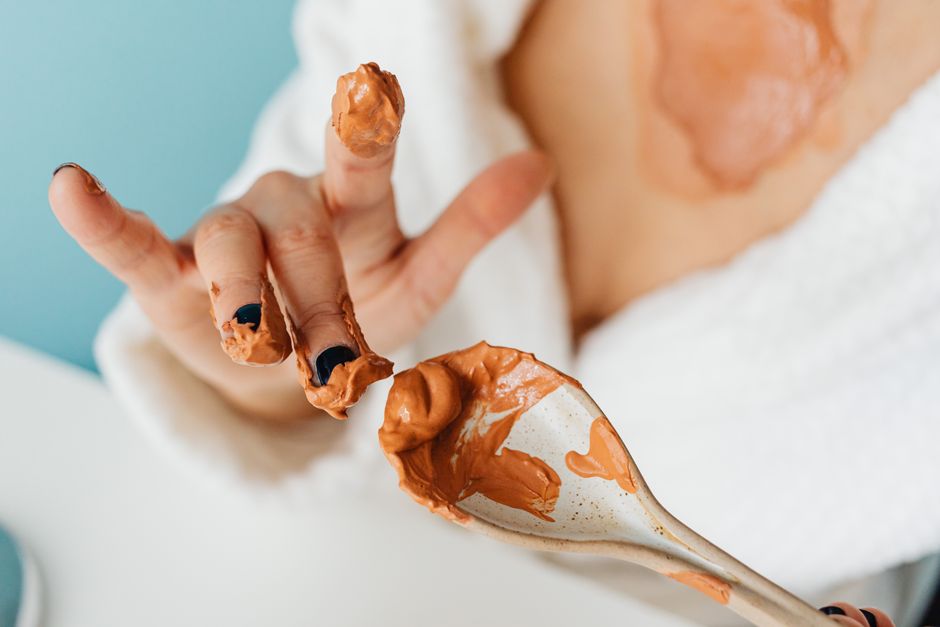
- Powder: Made from ground sandalwood wood. Traditionally mixed with water or milk to form a paste for the skin.
- Creams and lotions: Commercial skin care products that contain sandalwood extract or oil as an ingredient.
- Incense and candles: Used for ambient scent in the home. The smoke can be irritating for some people, especially those with respiratory conditions.
For sleep, the essential oil used in a diffuser is the most practical option. For skin, diluted essential oil or a commercial cream is typically easier and safer than making your own paste at home.
How to Use Sandalwood Safely
Sandalwood essential oil is generally considered safe when used properly, but it is not without risks. The most important rule is to never apply undiluted essential oil directly to the skin. Essential oils are highly concentrated and can cause contact dermatitis or chemical burns when used at full strength.
For skin application, dilute sandalwood oil in a carrier oil such as jojoba, coconut, or sweet almond oil. A common dilution ratio is 1 to 2 drops of essential oil per teaspoon of carrier oil. Patch test first by applying a small amount to the inside of your wrist and waiting 24 hours to check for any reaction.
For sleep, use a diffuser in your bedroom about 30 minutes before bed. Start with a short diffusion cycle and see how your body responds. Some people find strong aromas stimulating rather than calming, so it is wise to begin with a minimal amount.
Pregnant women and people with sensitive skin should be especially cautious. No clinical guidelines currently exist for the safe use of sandalwood essential oil during pregnancy. If you are pregnant or breastfeeding, consult your healthcare provider before using any essential oil product.
What Does the Research Actually Show?
The research on sandalwood is a mix of solid findings and significant gaps. The anti-inflammatory properties of alpha-santalol are well documented in laboratory studies. The sleep-promoting effects of sandalwood aroma have been demonstrated in at least one controlled clinical trial. These are real findings that support the traditional uses of the plant.
However, most of the research on sandalwood for specific skin conditions is preliminary. The studies are small, and many are funded by companies that produce sandalwood products. That does not mean the findings are invalid, but it does mean they should be interpreted with caution. Independent replication is still needed before sandalwood can be recommended as a standard treatment for any skin condition.
There is also a significant sustainability concern. True sandalwood, particularly Indian sandalwood (Santalum album), is slow-growing and has been overharvested. Much of the commercial sandalwood oil on the market today is adulterated or synthetic. If you are purchasing sandalwood for health purposes, look for products that specify the botanical source and ideally those from sustainable plantations in Australia or other regions where sandalwood is cultivated responsibly.
What Are the Side Effects and Risks?
Sandalwood is generally well tolerated, but side effects are possible. The most common issue is skin irritation, especially when the oil is applied undiluted or in high concentrations. Allergic reactions, while uncommon, have been reported. Symptoms can include redness, itching, and swelling at the application site.
Inhaling sandalwood incense or smoke can irritate the airways. If you have asthma or chronic obstructive pulmonary disease, avoid burning sandalwood incense and use a diffuser with essential oil instead. Even with diffusers, keep the room well ventilated and do not run the diffuser all night.
There are no known drug interactions with sandalwood when used topically or aromatically. However, no large human trials have confirmed the safety of ingesting sandalwood oil, and it should never be swallowed. Sandalwood oil is for external and aromatic use only.
What Else Is Sandalwood Used For?
Beyond skin and sleep, sandalwood has a few other documented uses. It appears in traditional medicine as a mild antiseptic and urinary tract remedy, though the evidence for these uses is largely historical rather than clinical. The scent is also used in meditation practices, particularly in Hindu and Buddhist traditions, where it is believed to support focus and mental clarity.
In the cosmetic industry, sandalwood is valued as a natural fixative in perfumes. It helps other scents last longer on the skin. This is a well-established use, though it has more to do with chemistry than health.
Some research has explored whether sandalwood has antiviral or antimicrobial properties. Laboratory studies have shown that sandalwood oil can inhibit the growth of certain bacteria and fungi. Whether this translates to meaningful clinical benefit for human infections is not yet established. The evidence here is limited, and no clinical guidance currently recommends sandalwood for treating infections.
Frequently Asked Questions
Is sandalwood oil safe to put directly on my skin?
No, sandalwood essential oil should always be diluted in a carrier oil before applying to the skin. Undiluted essential oil can cause irritation, redness, or an allergic reaction.
How long does it take for sandalwood to help with sleep?
Some people notice a calming effect within a few minutes of inhaling the scent. For the effect on sleep quality, research suggests the aroma works while you sleep, so consistent use over several nights is the best approach.
Can sandalwood treat acne or eczema?
Some studies suggest sandalwood may reduce acne lesions, but the evidence is preliminary. It is not a proven treatment for eczema or psoriasis and should not replace prescribed medications.
What is the difference between sandalwood oil and sandalwood powder?
Oil is the concentrated extract used for aromatherapy and diluted skin application. Powder is ground wood traditionally mixed with water or milk into a paste for topical use, but it is less potent than the oil.
