
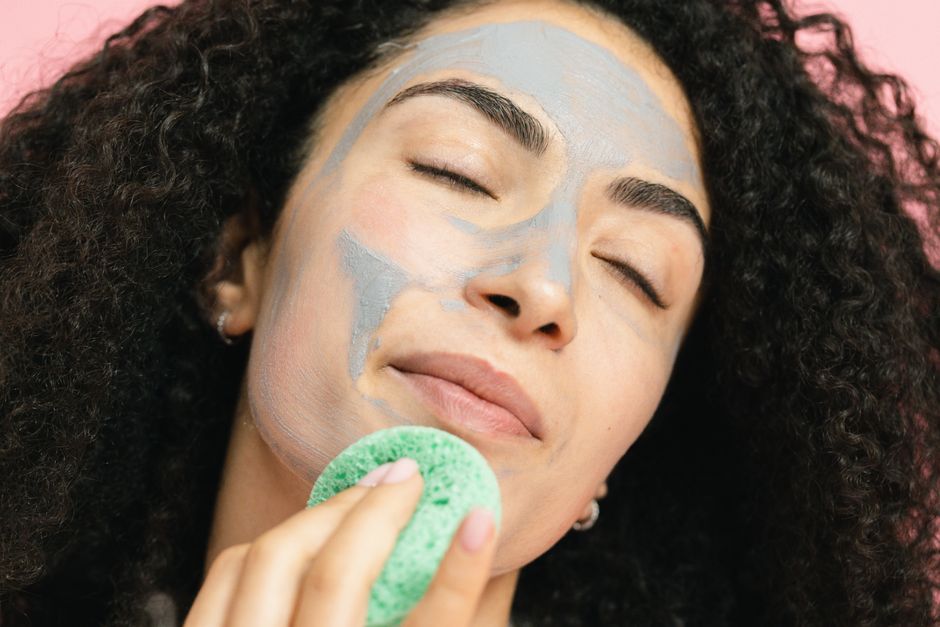
Oily skin happens when your sebaceous glands produce more oil than your skin needs. That oil, called sebum, is normal and necessary — it lubricates skin and helps form a barrier against moisture loss. But when production runs high, you get shine, larger-looking pores, and a greater tendency toward clogged pores and acne.
The oily skin type is one of the classic skin classifications, alongside dry, combination, and normal. It is largely determined by genetics and hormones, not by how often you wash your face. And despite the frustration it can cause, oily skin comes with at least one real advantage: oilier skin tends to age differently, with some research suggesting it may show wrinkles later than dry skin.
What Is Oily Skin Type Causes Signs Benefits?
Oily skin is a skin type — not a temporary condition — in which the sebaceous glands produce excess sebum across much or all of the face. The causes come down to three main drivers: genetics, hormones, and how you care for your skin.
Sebaceous glands sit inside hair follicles and are found everywhere on your body except the palms and soles. They are most concentrated on the face, scalp, chest, and upper back — which explains why oily skin shows up in those areas first. Sebum itself is not the enemy. It carries antioxidants to the skin surface, contributes to the skin’s acid mantle, and helps keep the barrier intact.
The problem is volume. When glands are larger or more active than average, oil accumulates faster than it can be removed. That excess oil mixes with dead skin cells and can plug the follicle opening. This is the step where oily skin and acne start to overlap — though oily skin does not automatically mean acne, and plenty of people have one without the other.
One clarification worth making: oily skin is not caused by dirty skin. Overwashing strips the surface, and the skin can respond by producing more oil. So the instinct to scrub harder often backfires.
What Causes Oily Skin?
Hormones are the single biggest influence on sebum production. Androgens — hormones present in both men and women — directly stimulate the sebaceous glands. This is why oil production rises sharply during puberty, when androgen levels climb.
Genetics set your baseline. If a parent has oily skin, you are more likely to have it too. Gland size and sensitivity to androgens are inherited traits.
Several other factors can push oil production up or make it more noticeable:
- Hormonal shifts — menstrual cycles, pregnancy, and perimenopause can all change oil output. The direction varies by person.
- Heat and humidity — sebum flows more freely in warm conditions, so oil is more visible in summer.
- Stress — stress hormones can increase sebum production.
- Medications — some hormonal medications and others can affect oil production. If you suspect a medication is involved, talk to your prescriber rather than stopping it.
- Skincare habits — harsh cleansers and over-exfoliation can aggravate oiliness rather than reduce it.
Diet is frequently blamed for oily skin. The evidence here is limited and mixed. Some studies suggest high-glycemic diets may influence acne, but the link to sebum production specifically is not well established. No clinical evidence currently confirms that cutting any single food will reduce oiliness.
What Are the Signs of Oily Skin?
The signs are usually easy to recognize. Shine appears within an hour or two of washing, often across the forehead, nose, and chin — the T-zone — and sometimes on the cheeks as well.
Common signs include:
- A visible sheen shortly after cleansing
- Pores that look larger, especially on the nose and inner cheeks
- Makeup that slides or breaks down faster than expected
- Skin that feels greasy to the touch by midday
- Frequent blackheads or clogged pores
- A tendency toward breakouts, though not always
Pore size deserves a note. Pores do not open and close — that is a myth. What people see as “large pores” is often a follicle that is stretched or filled with oil and debris, which makes it more visible. You cannot shrink a pore permanently, but you can make it look smaller by keeping it clear.
Oily skin is often confused with combination skin. In combination skin, the T-zone is oily while the cheeks are normal or dry. The distinction matters because it changes how you should treat each area.





Does Oily Skin Have Benefits?
Yes — and this is the part most people never hear. Sebum is protective. It helps maintain the skin barrier, reduces water loss, and carries vitamin E and other antioxidants to the surface.
The more interesting benefit involves aging. Oilier skin tends to be thicker and better moisturized, and some research suggests people with oilier skin may develop visible wrinkles later than those with dry skin. The evidence is not airtight, and it does not mean oily skin prevents aging. But the general direction — that oilier skin ages differently — is supported by more than one line of research.
There is also a practical upside. People with oily skin often tolerate active ingredients, such as retinoids and exfoliating acids, better than those with dry or sensitive skin, because the extra oil provides some buffering.
None of this makes oily skin effortless to manage. But it reframes the goal. The aim is not to eliminate oil. It is to manage it.
How Is Oily Skin Managed?
Management focuses on gentle cleansing, oil control, and avoiding habits that trigger rebound oil production. Consistency matters more than intensity.
A reasonable approach includes:
- Cleanse twice daily with a gentle, non-stripping cleanser. More frequent washing can increase oiliness.
- Use a lightweight, oil-free moisturizer. Skipping moisturizer can lead the skin to compensate with more oil.
- Choose non-comedogenic products — meaning they are formulated not to clog pores.
- Consider salicylic acid. It is oil-soluble, so it can penetrate the follicle and help keep pores clear. It is widely used for oily and acne-prone skin.
- Try niacinamide. Some studies suggest it can reduce sebum production, though results vary and it does not work for everyone.
- Use retinoids if tolerated. Prescription retinoids are well established for acne; their effect on oil production specifically is less direct.
- Blot, do not scrub. Blotting papers remove surface oil without disturbing the barrier.
Several in-office options exist, including oral medications for severe cases. Isotretinoin is a prescription treatment that markedly reduces sebum production and is used for severe acne. It requires medical supervision and monitoring because of its side effects. This is a decision to make with a dermatologist, not from an article.
What does not work: harsh scrubs, alcohol-heavy toners, and washing more than twice a day. These strip the barrier and often make oil worse.
Oily Skin vs. Other Skin Types
Knowing your skin type helps you choose products that fit. The categories are not rigid, and many people sit between two.
| Skin Type | Main Feature | Common Signs |
|---|---|---|
| Oily | Excess sebum across most of the face | Shine, larger-looking pores, frequent clogged pores |
| Dry | Insufficient oil and often insufficient moisture | Tightness, flaking, dullness, fine lines |
| Combination | Oily T-zone, normal or dry cheeks | Shine in the center, dryness at the edges |
| Normal | Balanced oil and moisture | Few concerns, generally even tone |
| Dehydrated | Lack of water, not oil — can occur with any type | Tightness, dullness, oiliness with flaking |
That last row trips up a lot of people. Dehydration and oiliness are not opposites. You can have oily skin that is also dehydrated, which is why stripping cleansers can leave skin both greasy and tight at the same time.
When Should You See a Dermatologist?
See a dermatologist if oily skin comes with persistent acne, painful cysts, or signs of a hormonal condition. These include irregular periods, excess facial or body hair, or sudden changes in oil production as an adult.
A sudden shift in skin oiliness in adulthood can sometimes point to an underlying hormonal issue. This is not common, but it is worth evaluating rather than treating with products alone.
For most people, oily skin is manageable with consistent, gentle care and does not require medical treatment. If over-the-counter approaches are not helping after several weeks, a dermatologist can offer prescription options.
Frequently Asked Questions
What is oily skin type?
Oily skin is a skin type in which the sebaceous glands produce more sebum than average, leading to shine, larger-looking pores, and a tendency toward clogged pores. It is mostly determined by genetics and hormones rather than by hygiene.
Does oily skin age slower?
Some research suggests people with oilier skin may develop visible wrinkles later than those with dry skin, likely because the extra oil keeps the skin more moisturized and thicker. The evidence is suggestive, not definitive, and oily skin does not prevent aging.
Can oily skin become dry?
Yes — oily skin can also be dehydrated, meaning it lacks water even though it has plenty of oil. This is why harsh cleansers can leave skin feeling greasy and tight at the same time.
How often should you wash oily skin?
Twice a day with a gentle, non-stripping cleanser is generally recommended. Washing more often can strip the skin barrier and may lead to more oil production, not less.
